Authenticity & care
How to clean gold jewelry safely
Warm water, a soft brush and patience will do more good than any cleaning product.
Written by our in-house jewelry team · Updated August 7, 2026 · 6 min read
In short
Clean plain gold set only with diamonds using lukewarm water, a drop of mild dish soap, a soft baby toothbrush and a rinse over a bowl rather than an open drain, then pat dry with a lint-free cloth. Avoid this method for pieces with enamel, filigree, foiled or closed-back settings, or soft and porous stones such as pearl, opal, turquoise, coral or emerald, and never use an ultrasonic or steam cleaner on an antique piece.
Gold itself is one of the least reactive metals there is, which is part of why so much antique gold jewelry survives in wearable condition. The risk when cleaning a vintage piece almost never comes from the gold. It comes from the stones, the solder joins, the enamel and the fittings around it.
This guide covers the safe method for plain gold and diamond jewelry, and where to stop and treat a piece more carefully.
Shop the pieces: Everyday vintage fine jewelry, curated and available now.
The safe method for gold and diamonds
Fill a small bowl with lukewarm water and add a single drop of mild, fragrance-free dish soap. Soak the piece for a few minutes, then use a soft baby toothbrush to work gently behind the stones and into any engraved or textured areas, where skin oils and dust collect and dull the shine.
Rinse thoroughly in clean water, always over a bowl or a closed sink stopper rather than an open drain, and pat the piece dry with a soft, lint-free cloth. A gentle buff with a jewelry cloth afterward will bring back some shine without removing metal the way a polishing wheel does.
- Lukewarm water only, never hot
- One drop of mild dish soap, no ammonia-based or abrasive cleaners
- A soft baby toothbrush, never a stiff brush
- Always work over a bowl, never an open drain
When to stop and use a dry cloth instead
The moment a piece has enamel, filigree with open backs, a closed-back or foiled setting, or a stone that is soft or porous, water is a risk rather than a help. Water that gets behind a closed-back setting or under foil has nowhere to evaporate and can cloud the foil or loosen old glue and cement over time.
In those cases wipe the piece with a dry or barely damp soft cloth, and take it to a jeweler for a proper clean rather than soaking it. Our guide to caring for pearls and soft stones covers the specific materials in more detail.
- Enamel and filigree: dry cloth only
- Foiled or closed-back settings: dry cloth only, never soak
- Pearls, opal, turquoise, coral, amber, emerald: dry or barely damp cloth only
- Mourning jewelry with hair or fabric: dry cloth, nothing else
What to avoid entirely
Ultrasonic and steam cleaners are the two most common causes of avoidable damage we see in older gold jewelry. The vibration of an ultrasonic bath can loosen century-old claw settings and drive water behind foiled or closed-back stones, and heat from a steam cleaner can crack heavily included diamonds and fracture-filled or oiled stones.
Toothpaste, baking soda and household abrasive cleaners scratch gold at a microscopic level and will dull engraving and millegrain over repeated use. Chlorine, from pools and some household cleaning products, attacks the alloying metals in gold and can weaken a shank over years of contact, so rings should come off before swimming or cleaning.
Gold color and plating
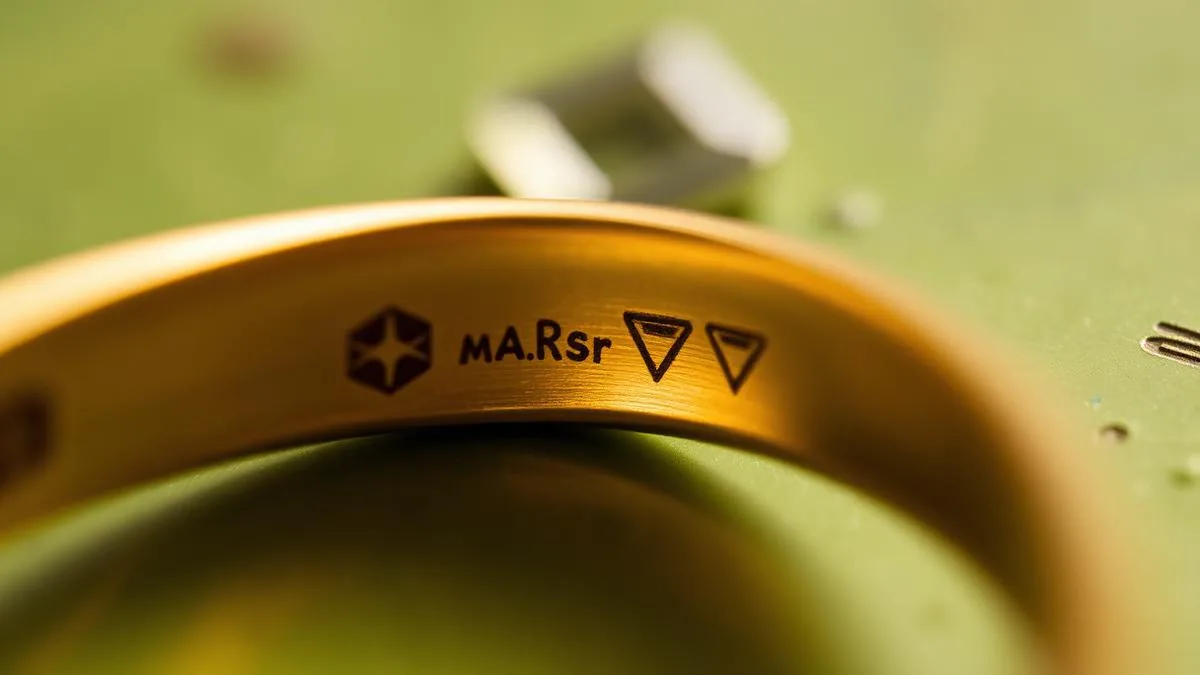
Rose and green gold clean the same way as yellow gold, since the color comes from the alloy rather than a coating. White gold jewelry is sometimes rhodium plated to give it a brighter, whiter finish, and that plating can wear thin with the same soap and brush method over years, revealing the slightly warmer natural color of the white gold underneath. That is normal wear rather than damage, and the plating can be reapplied by a goldsmith.
Gold-filled and gold-plated pieces, more common from the mid-twentieth century onward, have a genuine but thin layer of gold over a base metal. Treat these more gently still, since a stiff brush or repeated buffing can wear through the gold layer faster than it would on solid gold.
Bringing it to us
If a piece has lost its shine and you are not sure whether it is safe to clean at home, ask us before you reach for a cleaner. It costs nothing to check, and it is far cheaper than replacing a stone that came loose in an ultrasonic bath.
Frequently asked questions
- Can I clean gold jewelry with toothpaste?
- No. Toothpaste is mildly abrasive and will scratch gold and dull engraving over repeated use. Warm soapy water and a soft brush clean just as effectively without the risk.
- Is it safe to clean gold jewelry with baking soda and vinegar?
- We do not recommend it for antique pieces. The reaction can be too aggressive for old solder joins, foiled stones and enamel, and it offers no real advantage over mild soap and water.
- Can I use an ultrasonic cleaner on gold jewelry?
- Only if the piece is plain gold with no stones, no enamel and no old repairs, and even then we would not recommend it for an antique piece. The vibration can loosen settings that have held for decades, and there is rarely a need to risk it when soap and water work just as well.
- Why has my white gold ring turned slightly yellow?
- White gold is often rhodium plated for extra brightness, and that plating wears thin with everyday use, revealing the naturally warmer color of the white gold underneath. A goldsmith can reapply the plating.
- How often should I clean gold jewelry I wear every day?
- A quick soap and water clean every two to four weeks keeps it looking its best. A jeweler should check the settings once a year regardless of how often you clean it yourself.
Written by our estate jewelry team and reviewed by our in-house gemologist, a GIA Graduate Gemologist (GG). We have been buying and selling European antique jewelry since 1973.
From the reading to the piece
Shop vintage gold jewelry

Related guides
Keep reading
authenticity
How to clean silver jewelry without ruining the patina
Tarnish is not always a problem, and the pieces where it matters most are marcasite and niello.
authenticity
How to care for your vintage jewelry
Why repolishing can halve the value of a piece that took a century to earn its surface.
authenticity
Everyday wear and what actually damages jewelry
Chlorine, the gym and a good night's sleep cause more damage than clumsy hands ever do.