Buying & value
How to buy vintage jewelry online safely
A checklist for spending real money on a piece you cannot hold, from a seller on another continent.
Written by our in-house jewelry team · Updated July 30, 2026 · 9 min read
In short
Buy from a seller who describes the piece completely and puts it in writing: era, metal and fineness, stone weights and treatments, any restoration or replaced parts, and total condition. Ask for hallmark close-ups and a live video viewing, check the return policy and who pays return shipping, confirm how duties are handled, and pay by a method with buyer protection.
Most antique jewelry now changes hands online, including between dealers. Buying at a distance is normal. Buying at a distance carelessly is not.
This is the checklist we would use ourselves when buying from a seller we did not know, written for an American buyer looking at European sellers.
Shop the pieces: New arrivals, curated and available now.
Judge the seller before you judge the piece
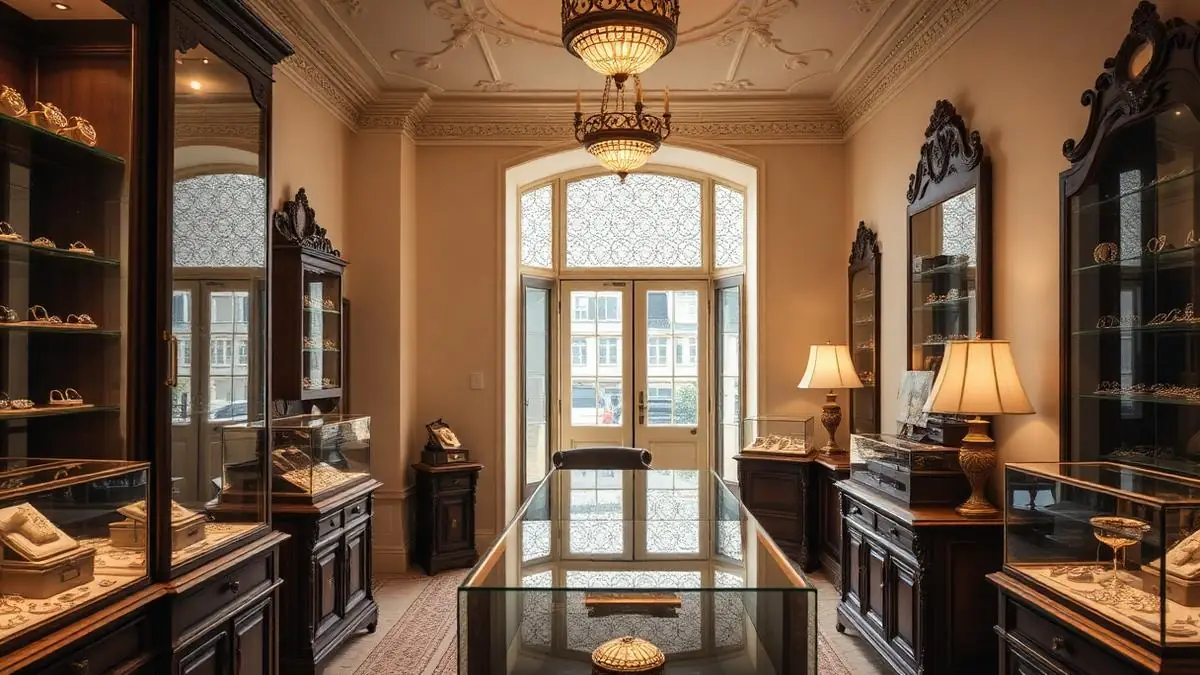
A named, physically located business with a trading history is the single strongest safety signal there is. Look for a street address you can find on a map, a company registration, a phone number that is answered, and a real team rather than a logo.
- Do they have physical premises, and can you verify them independently?
- How long have they been trading, and under what company name?
- Do they employ a gemologist or a bench jeweler, or are they only reselling?
- Are prices shown openly, or only on request?
- Is there a written returns policy with a stated number of days?
Demand the right photographs
Listings that show only a flattering three-quarter view are hiding something, even if it is only laziness. Ask for the following, and treat a refusal as an answer.
- The back of the setting and the inside of the shank
- The hallmark, magnified and in focus
- The piece on a hand or a neck, for scale
- Any repair, solder line, chip or enamel loss, photographed directly
- Daylight images, not only lightbox images, because lightboxes hide color and wear
“If a seller will not show you the marks on a live video call, you have your answer.”
Ask for a live video viewing
This is the step that removes most remaining risk, and almost nobody uses it. On a video call the seller turns the piece under daylight while you watch, so you can see how a stone actually behaves, where the wear is, and whether the color matches the photographs.
It is also a good test of the seller. Someone willing to spend twenty minutes on a call, showing you the parts of a piece that are not flattering, is a different proposition from someone who will not.
Get the description in writing
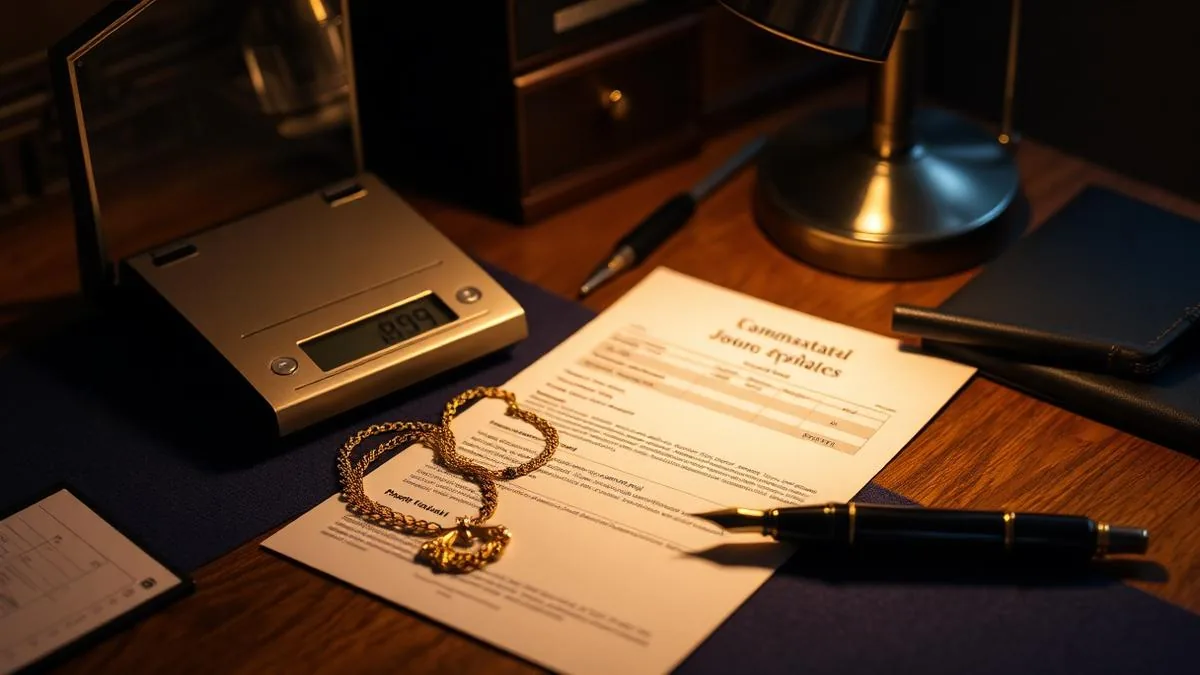
Before payment, ask for an email that states: metal and karat, whether the karat is hallmarked or tested, stone types with approximate weights, whether stones are natural, whether the center stone is original to the mount, the period, and every known repair or replacement.
That email is what protects you. A verbal description on a call is not a document; the same words in writing are.
Understand shipping, duty and insurance
For a shipment from Europe into the US, three things need to be clear before you pay.
- Is the parcel fully insured door to door, at the purchase value?
- Is it shipped DDP, meaning duties and import taxes are already paid, or DAP, meaning the courier will bill you on delivery?
- Who is responsible if the parcel is lost or damaged, and what is the claims process?
Pay in a way that protects you
Pay by card or through an established payment provider. Never pay by bank transfer, cryptocurrency or a payment app to a private account, no matter how plausible the reason. Those methods exist in this trade almost exclusively to remove your ability to reverse a payment.
Our own checkout is secure and PCI compliant, so card details never touch our systems and the transaction sits inside the normal card protection framework.
Red flags that should end the conversation
Any one of these is enough reason to walk away. There is always another piece.
- Pressure to decide today, or a claim that another buyer is waiting
- Refusal to show hallmarks or the back of a setting
- Stock photographs, or images that appear on other sites
- A request to pay by transfer to a private account
- No returns, or returns only as store credit
- Certificates from bodies that cannot be found anywhere else online
Frequently asked questions
- Is it safe to buy vintage jewelry online?
- Yes, if the seller is a verifiable business with physical premises, a written returns policy, clear provenance and condition reporting, and card payment through a regulated provider. Ask for a live video viewing before any significant purchase.
- Will I pay import duty on jewelry shipped from Europe to the US?
- It depends on the seller. Shipped DDP, duties and taxes are already included in the price and nothing is collected on delivery. Shipped DAP, the courier will invoice you before it hands the parcel over. Always ask which applies.
- What should a vintage jewelry description include?
- Metal and karat with hallmark or test evidence, stone types and approximate weights, whether stones are natural and original to the piece, the period, measurements, weight in grams, and every known repair or replacement.
- How do I know the photographs are of the actual piece?
- Ask for a new photograph taken today with a handwritten note or a dated object in frame, or ask for a live video viewing. Both are trivial for a genuine seller and impossible for a fraudulent one.
- What payment method is safest?
- A credit or debit card through an established payment provider, which gives you a dispute route. Avoid bank transfers, cryptocurrency and payments to private accounts.
Written by our estate jewelry team and reviewed by our in-house gemologist, a GIA Graduate Gemologist (GG). We have been buying and selling European antique jewelry since 1973.
From the reading to the piece
Shop new arrivals
Each piece is one of a kind and sells once, so this collection changes constantly.
View new arrivalsRelated guides
Keep reading
buying
The vintage engagement ring buying guide
Everything we would want a friend to know before spending several thousand dollars on a ring made a century ago.
authenticity
How to tell if vintage jewelry is real
Genuine period jewelry usually agrees with itself. Reproductions rarely do.
metals
Understanding European gold hallmarks
American gold says 14K. European gold shows you a lion, an eagle's head or a tiny crowned figure. Here is how to read them.