Buying & value
The vintage engagement ring buying guide
Everything we would want a friend to know before spending several thousand dollars on a ring made a century ago.
Written by our in-house jewelry team · Updated August 2, 2026 · 11 min read
In short
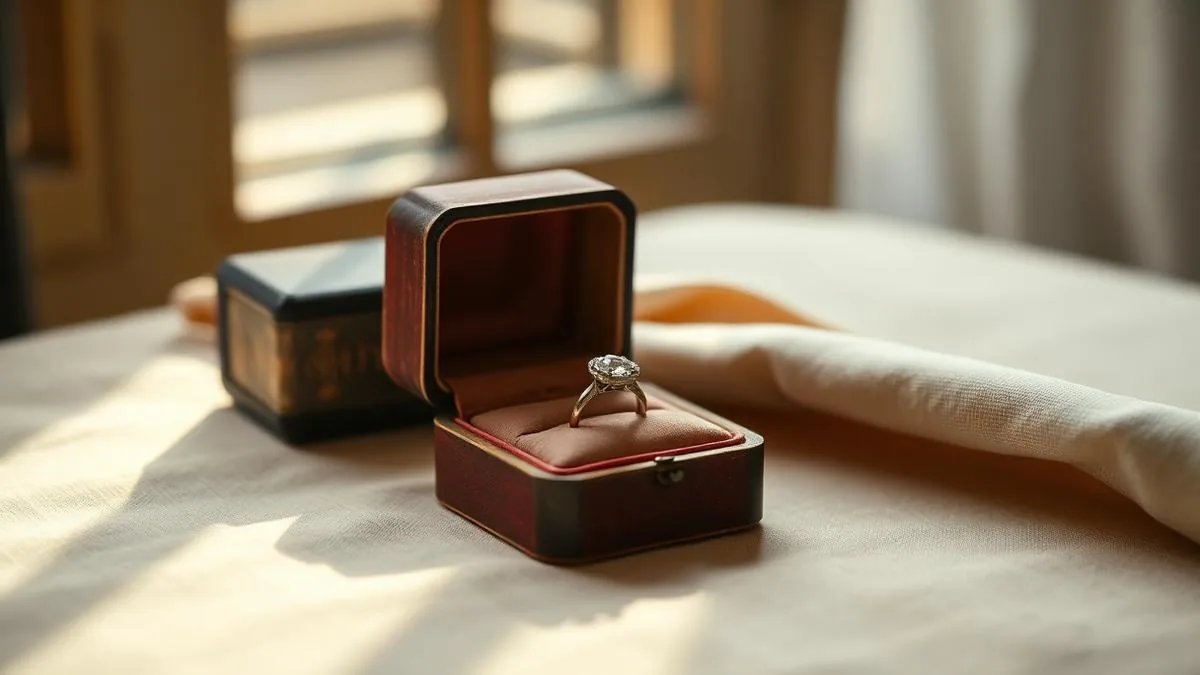
Buying a vintage engagement ring means judging an existing object rather than specifying a new one. Check the era and whether the design is original, the cut and condition of the center stone, the state of the claws and shank, whether the ring can be resized, and what the seller puts in writing about origin, treatments and restoration. There is only one of each ring, so fit and condition matter as much as looks.
Vintage engagement rings can offer exceptional value, but rarity, provenance, craftsmanship and antique diamond cuts can also command a premium. What is certain is that the ring is very unlikely to appear on anyone else's hand, and that it was made when a bench jeweler cut and set every part by hand.
It also comes with questions a new ring does not raise. Is the stone original? Can it be sized? Will it survive daily wear? This guide walks through the decisions in the order we would make them with you across the counter.
Shop the pieces: Vintage engagement rings, curated and available now.
Step one: choose an era, not a shape
Most people arrive with a picture. It is more useful to start with the era, because the era decides the proportions, the metal and the way the stone will look on a hand.
- Edwardian, 1901 to 1915: platinum, milgrain, pierced lace galleries, a floating look. Romantic and light.
- Art Deco, 1920 to 1935: geometric, low and flat, contrast stones. The most wearable antique style.
- Retro, 1935 to 1950: rose and yellow gold, bold scroll shoulders, larger sculptural forms.
- Mid-century, 1950 to 1970: white gold and platinum solitaires, illusion settings, tighter and more classical.
Step two: understand the diamond you are buying
Antique diamonds were cut by eye to be seen by candlelight. An old European cut has a small table, a high crown, a large open culet and broad facets that throw big, slow flashes of color rather than the fast white sparkle of a modern brilliant.
Graded against modern standards, an old cut will almost always score lower for cut. That is a scoring artifact, not a fault. Antique diamond pricing is not directly comparable to modern certified diamonds. Cut, rarity, condition, provenance, color, clarity and the originality of the mounting all affect value.
Ask whether the center stone is original to the mount. A period stone in a period ring is worth more than a modern stone dropped into an old setting, and any honest seller will tell you which you are looking at.
“Vintage rings are not automatically cheaper than new ones. Rarity, signed makers and antique cuts all command a premium, and they should.”
Step three: check the ring will survive
This is where a vintage ring is either a wonderful buy or a slow disappointment. Ask for these numbers before you pay.
- Shank thickness at the base: 1.5 mm or more is comfortable for daily wear. Under 1 mm needs rebuilding.
- Claw or bead condition: worn tips are cheap to fix now and expensive after a stone is lost.
- Any previous solder repairs, especially at the base of the shank
- Whether the setting has been re-shanked, and if so in what metal
- Whether platinum claws have been replaced with white gold, which wears differently
Step four: sizing, and its limits
A plain shank can usually be sized two sizes either way without touching the design. A fully engraved, milgrained or eternity-set band often cannot be sized without destroying part of the pattern, and the honest answer there is to buy the right size or accept a visible repair.
Full-circle eternity bands and calibre-set shoulders are the hardest of all. If a ring like that is not your size, we would rather tell you than take the order.
Step five: paperwork and price
You should receive, at minimum, a written description of the metal and its karat, a stone description with approximate weights, a statement of the period and any known repairs, and an insurance valuation.
For a US buyer, also confirm how the piece is shipped, whether it is insured door to door, and whether import duties are already paid. On our own pieces they are: the price you see is the price you pay, with no collection at your door.
Buying from Europe without seeing it in person
Photographs flatten stones and hide wear. Before you buy at a distance, ask for a video viewing where someone turns the ring in daylight, shows you the back of the setting, the inside of the shank and the hallmark, and answers questions live.
That single call replaces most of the risk in a remote purchase, and it costs nothing. Combine it with a proper return window and you are in a stronger position than most people buying in a store.
Frequently asked questions
- Are vintage engagement rings cheaper than new ones?
- Vintage engagement rings can offer exceptional value, but they are not inherently cheaper than modern rings. Age, rarity, craftsmanship, provenance, signed makers and antique diamond cuts can all command a premium.
- Can a vintage engagement ring be resized?
- A plain or lightly detailed shank can normally move two sizes in either direction. Engraved, milgrained, eternity or calibre-set bands often cannot be resized without damaging the design, so buy those in the correct size.
- Is an antique diamond a worse diamond?
- No, it is a different one. Old European and old mine cuts were cut for candlelight and show broad, colorful flashes rather than rapid white sparkle. They typically grade lower on modern cut scales. Antique diamond pricing is not directly comparable to modern certified diamonds. Cut, rarity, condition, provenance, color, clarity and the originality of the mounting all affect value.
- How do I know a vintage ring is genuine?
- Hallmarks, hand-finished construction, period-correct stone cuts and consistent wear all point to a genuine piece. Ask the seller to show the hallmark and the back of the setting on video, and to state in writing what has been repaired or replaced.
- Can I return a vintage engagement ring?
- With us, yes, within 30 days for a full refund, with free insured return shipping in the US. Always confirm the return window in writing before you buy from any distance seller, and check who pays return shipping and insurance.
Written by our estate jewelry team and reviewed by our in-house gemologist, a GIA Graduate Gemologist (GG). We have been buying and selling European antique jewelry since 1973.
From the reading to the piece
Shop vintage engagement rings
Each piece is one of a kind and sells once, so this collection changes constantly.
View vintage engagement ringsRelated guides
Keep reading
buying
How to buy vintage jewelry online safely
A checklist for spending real money on a piece you cannot hold, from a seller on another continent.
gemstones
Old European cut vs modern brilliant
Why an antique diamond flashes color where a modern one flashes white.
eras
Art Deco jewelry: a complete guide
1920 to 1935, when jewelry stopped imitating flowers and started imitating architecture.
buying
How much is my vintage ring worth?
There is no single number. Insurance value, market value and trade value can all be correct at once.