Gemstones & cuts
Old European cut vs modern brilliant
Why an antique diamond flashes color where a modern one flashes white.
Written by our in-house jewelry team · Updated August 1, 2026 · 8 min read
In short
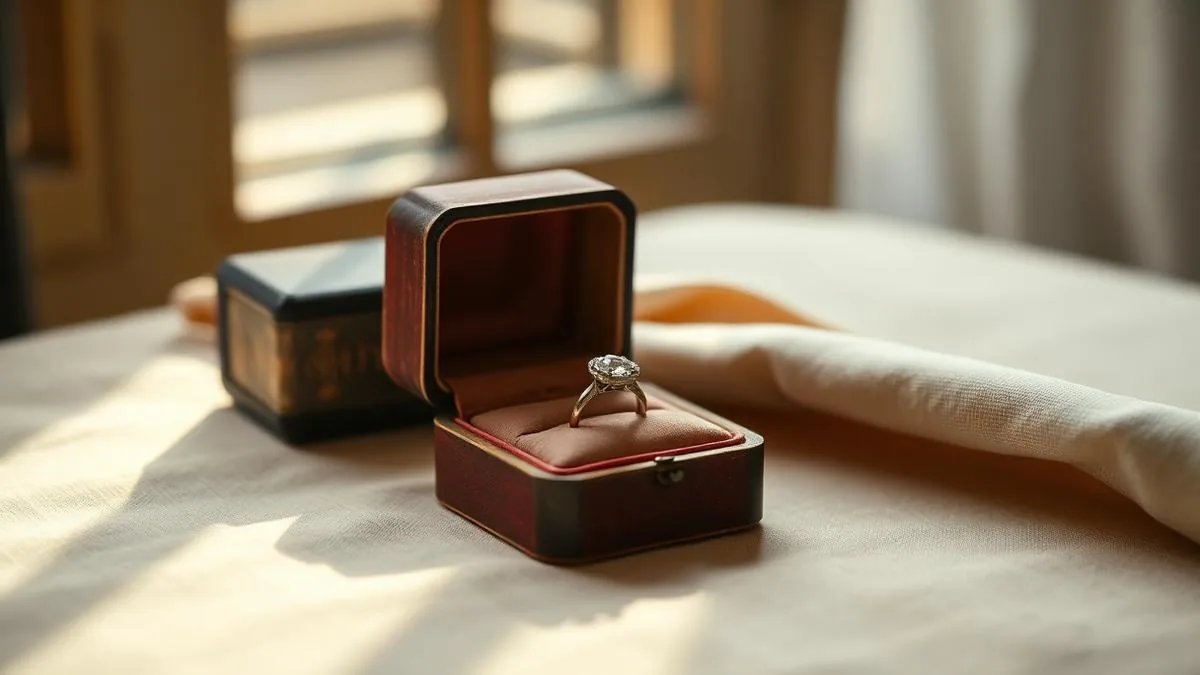
Old European and old mine cut diamonds were faceted by hand for candlelight, giving them a smaller table, a higher crown and, usually, a larger, visible culet than a modern round brilliant. Modern brilliants are cut by machine to strict mathematical proportions for maximum white brilliance under electric light, with a wide table, a shallower crown and typically no visible culet. Neither is objectively better cut; they are optimized for different light and different eras.
Every diamond cut is a compromise between keeping weight, showing brilliance and following the fashion of its time. Antique cuts and modern brilliants sit at opposite ends of that compromise, and the difference is visible to the eye once you know what to look for.
This matters practically too: a modern round brilliant sitting in an early twentieth century mount is one of the clearest signs that the original stone has been replaced, so recognizing the cuts helps you judge whether a piece is original.
Shop the pieces: Old European cut rings, curated and available now.
The cuts, in order
Old mine cut, roughly Georgian through mid-Victorian, is cushion-shaped rather than round, cut from an octahedral rough with a high crown, a small table and a large, often visible culet.
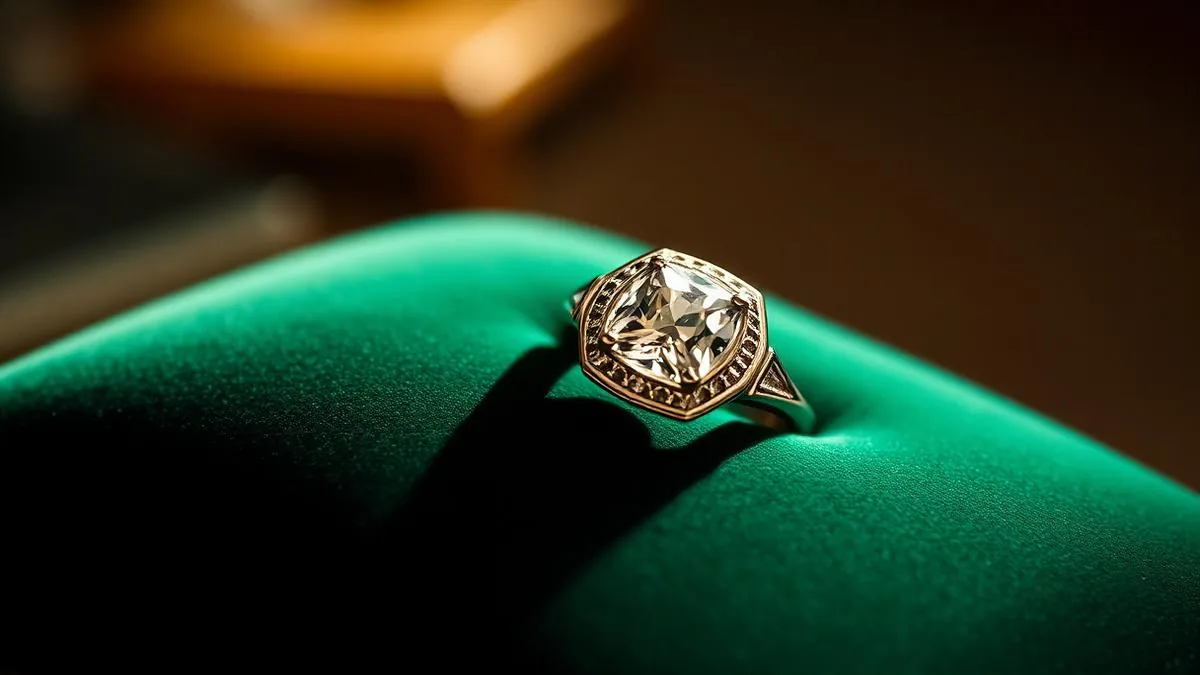
Old European cut, roughly late Victorian through the 1930s, is rounder and more symmetrical than the old mine cut but keeps the small table, high crown and open culet, and remains the most common antique cut you will meet in Edwardian and Art Deco jewelry.
Transitional cut, roughly 1930s to 1940s, sits between old European and modern proportions, with a somewhat larger table and lower crown, as cutters began adjusting for the new preference for brilliance over the older style.
Modern round brilliant, standardized from the mid-twentieth century onward, has a wide table, a shallow crown, a small or absent culet, and facet proportions calculated mathematically to maximize light return.
Telling them apart
Look straight down through the table. On an old mine or old European cut you will usually see a small circle or point at the center, the culet, appearing like a tiny window; a modern brilliant is cut so this point is minimized or eliminated entirely and the center reads as a dark bow-tie or open facet pattern instead.
Viewed from the side, old cuts sit noticeably taller, with a steep, high crown, while a modern brilliant sits flatter and wider for the same carat weight. Under a loupe, old cut facets are less uniform, sometimes visibly hand-finished, where a modern brilliant's facet junctions are crisp and mathematically regular.
The light performance differs too: old cuts show a softer, warmer light return with larger flashes of color moving across the stone as it tilts, sometimes called their signature under candlelight, while modern brilliants return more concentrated white sparkle, or scintillation, tuned for artificial lighting.
- Old mine cut: cushion outline, small table, high crown, large culet
- Old European cut: round outline, small table, high crown, visible culet
- Transitional cut: larger table, lower crown, small culet, made c. 1930s-40s
- Modern round brilliant: wide table, shallow crown, minimal or no culet
“Put an old European cut next to a modern brilliant and you are not comparing quality, you are comparing two different intentions.”
What it means for price and value
Modern cut grading scales were built around the modern round brilliant, so an old European or old mine cut diamond is often graded lower on cut than it would be under a system designed for its own proportions. Antique diamond pricing is not directly comparable to modern certified diamonds. Cut, rarity, condition, provenance, color, clarity and the originality of the mounting all affect value.
That does not make old cuts simply cheaper or lesser stones. They are rarer, since fewer survive and none are being newly cut in the old style at scale, and demand for their warmer, more romantic look has grown steadily among collectors and buyers seeking a genuinely antique stone. A well-cut old European stone in fine condition can command a real premium over its lab-grade suggests, particularly with a strong maker's history or a certificate confirming its type.
Frequently asked questions
- Are old European cut diamonds worth less than modern brilliants?
- They are often priced lower per carat under grading systems built for modern proportions, but rarity, condition, size and buyer demand for the antique look mean a fine old European cut stone can equal or exceed a comparable modern brilliant in price, especially in an original period setting.
- How can I tell if a diamond has been replaced in an antique setting?
- A modern round brilliant, with its wide table and shallow crown, sitting in a mount clearly cut for a smaller-table, higher-crown antique stone is the clearest sign of a replacement, since the proportions and the setting's original design will not quite agree.
- Do old European cut diamonds come with grading certificates?
- Some do, particularly if they have been removed and graded, but many antique diamonds remain mounted and are described with an estimated weight and a color and clarity range rather than a full laboratory report, since removing a century-old stone carries its own risk.
Written by our estate jewelry team and reviewed by our in-house gemologist, a GIA Graduate Gemologist (GG). We have been buying and selling European antique jewelry since 1973.
From the reading to the piece
Old European cut rings
Each piece is one of a kind and sells once, so this collection changes constantly.
View old european cut ringsRelated guides
Keep reading
buying
The vintage engagement ring buying guide
Everything we would want a friend to know before spending several thousand dollars on a ring made a century ago.
gemstones
Diamonds in vintage jewelry
Rose cuts, old mines, transitionals, and how to judge a stone with no certificate.
eras
Art Deco jewelry: a complete guide
1920 to 1935, when jewelry stopped imitating flowers and started imitating architecture.