Designers
The houses, honestly explained
These are the houses that turn up most often in European estates, and several of them are the most faked names in jewelry. Each page covers what the house actually made, how the work is built and finished, and what its marks do and do not prove. We are an independent estate jeweler and are not affiliated with or endorsed by any of them.
At a glance
Fourteen houses, what each is known for
| House | Founded | City | Known for |
|---|---|---|---|
| Cartier | 1847 | Paris | Tank and Santos watches, LOVE and Trinity, Art Deco platinum |
| Tiffany & Co. | 1837 | New York | The Tiffany setting, Schlumberger and Elsa Peretti, American silver |
| Van Cleef & Arpels | 1906 | Paris | Mystery Set stones, Alhambra, Zip and ballerina clips |
| Bulgari | 1884 | Rome | Serpenti, Tubogas gold, Monete coins and cabochon color |
| Boucheron | 1858 | Paris | Question mark necklaces, nature motifs, Place Vendome goldsmithing |
| Chaumet | 1780 | Paris | Tiaras, Napoleonic history, light architectural settings |
| Buccellati | 1919 | Milan | Rigato and telato engraving, honeycomb tulle gold |
| PomellatoEstate | 1967 | Milan | Nudo colored stones in warm rose gold |
| FopeEstate | 1929 | Vicenza | Flex'it woven gold mesh from Vicenza |
| Georg Jensen | 1904 | Copenhagen | Danish sterling, design numbers, Koppel and Ditzel |
| David Webb | 1948 | New York | Enamel animal bracelets, hammered gold, rock crystal |
| ChopardEstate | 1860 | Sonvilier | Happy Diamonds floating between crystals |
| Piaget | 1874 | La Cote-aux-Fees | Ultra-thin movements and hardstone dial gold watches |
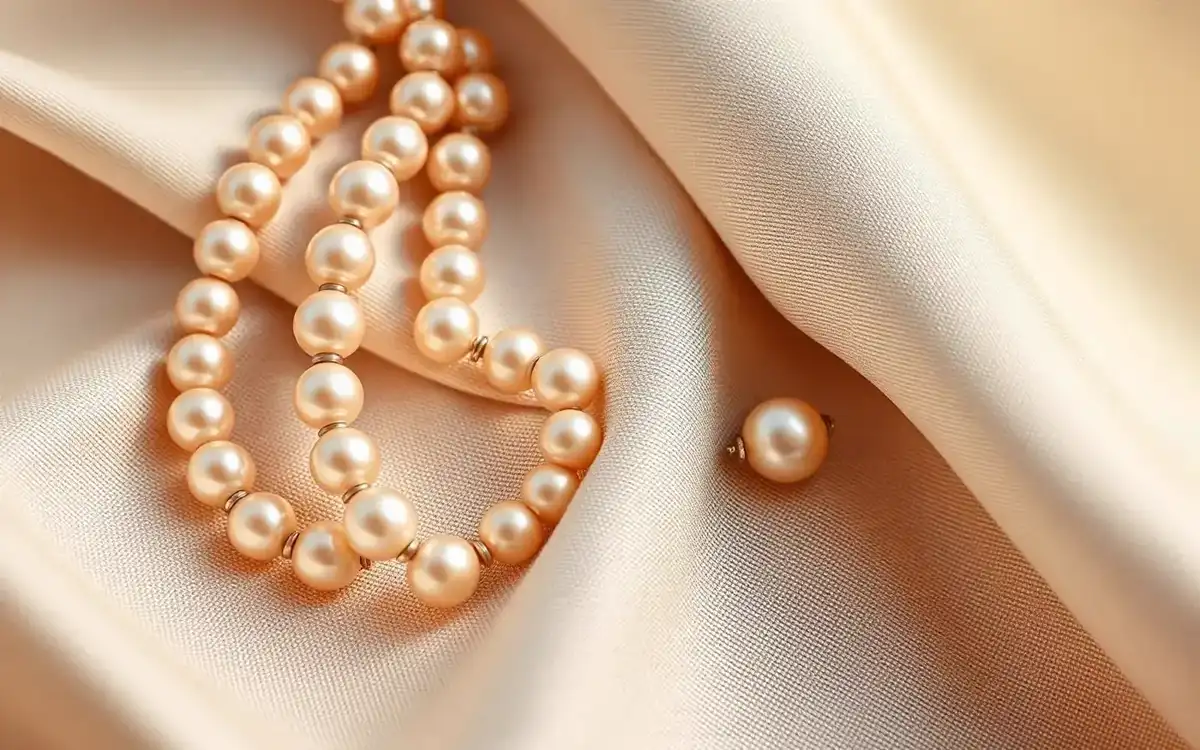
| Mikimoto | 1893 | Tokyo | Cultured pearls and matched Akoya strands |
Houses marked estate are modern makers. We never describe a modern designer piece as vintage or antique, whatever its resale value.
France
Place Vendome houses, French assay marks and workshop punches in a lozenge.
Paris · founded 1847
Cartier
Tank and Santos watches, LOVE and Trinity, Art Deco platinum
Cartier was founded in Paris in 1847 by Louis-Francois Cartier and became an international house under his three grandsons, who opened London in 1902 and New York in 1909. Its signed vintage pieces are among the most recognizable and the most copied in the world, so a Cartier attribution rests on the signature, the serial or reference number, the French assay and maker's marks and the quality of the work together, never on the signature alone.
House and marks
Paris · founded 1906
Van Cleef & Arpels
Mystery Set stones, Alhambra, Zip and ballerina clips
Van Cleef & Arpels opened on the Place Vendome in Paris in 1906, founded by Alfred Van Cleef together with the Arpels family. The house is known above all for the Mystery Setting, patented in 1933, in which calibrated stones are held on hidden rails so no metal shows between them, and for the Alhambra motif introduced in 1968. Signed pieces are scarce in estate stock and are always worth researching properly.
House and marks
Paris · founded 1858
Boucheron
Question mark necklaces, nature motifs, Place Vendome goldsmithing
Boucheron was founded in Paris in 1858 by Frederic Boucheron and in 1893 became the first jewelry house to open on Place Vendome. Its vintage work runs from naturalistic nineteenth century pieces through Art Deco geometry to the bold gold jewelry of the 1960s and 1970s, and French pieces normally carry both a signature and French assay and maker's marks.
House and marks
Paris · founded 1780
Chaumet
Tiaras, Napoleonic history, light architectural settings
Chaumet traces its origins to 1780 in Paris, when Marie-Etienne Nitot established the workshop that became jeweler to Napoleon. The house is best known for tiaras and for a light, architectural approach to setting, and its vintage pieces are identified by the signature together with French assay and maker's marks rather than by style alone.
House and marksItaly
Goldsmithing first: engraving, mesh and color, with Italian province maker's marks.
Rome · founded 1884
Bulgari
Serpenti, Tubogas gold, Monete coins and cabochon color
Bulgari was founded in Rome in 1884 by Sotirio Bulgari, a silversmith from Greece, and became the house that broke with French taste. From the 1960s onward its jewelry is unmistakably Roman: heavy yellow gold, cabochon rather than faceted stones, unexpected color combinations and classical references, including ancient coins set directly into gold.
House and marks
Milan · founded 1919
Buccellati
Rigato and telato engraving, honeycomb tulle gold
Buccellati was founded in Milan in 1919 by Mario Buccellati and is recognized above all by its engraving. Techniques the house names rigato, telato, segrinato and ornato give its gold a textured, almost textile surface, and that hand work, rather than the signature alone, is what distinguishes genuine Buccellati.
House and marks
Milan · founded 1967
Pomellato
Nudo colored stones in warm rose gold
Pomellato was founded in Milan in 1967 by Pino Rabolini with the idea of jewelry made to be worn every day rather than kept for occasions. It is known for colored stones in warm gold, and for the Nudo ring introduced in 2001, whose faceted stone sits almost unset. Pomellato is a modern house, so its pieces are estate or pre-owned rather than vintage or antique.
House and marks
Vicenza · founded 1929
Fope
Flex'it woven gold mesh from Vicenza
Fope is an Italian goldsmith founded in Vicenza in 1929 and is known for flexible woven gold mesh, in particular the Novecento and Flex'it constructions that let a rigid looking gold bracelet stretch over the hand without a clasp. It is a modern house, so its pieces are estate or pre-owned rather than vintage.
House and marksUnited States
American scale and enamel, with metal standards stamped rather than assayed.
New York · founded 1837
Tiffany & Co.
The Tiffany setting, Schlumberger and Elsa Peretti, American silver
Tiffany & Co. was founded in New York in 1837 by Charles Lewis Tiffany and became the defining American jewelry house of the nineteenth and twentieth centuries. It adopted the 925 sterling silver standard in 1851, well before it was law in the United States, introduced the six prong Tiffany setting in 1886, and its later work is closely identified with the designers Jean Schlumberger, Elsa Peretti and Paloma Picasso.
House and marksNew York · founded 1948
David Webb
Enamel animal bracelets, hammered gold, rock crystal
David Webb founded his New York workshop in 1948 and built a reputation on bold enamel and gold, above all the hinged animal bracelets in white enamel with gemstone eyes. The work is heavy, hand made and unmistakable, and pieces are signed and stamped for the metal standard.
House and marksNorthern Europe
Danish sterling and modernist form, identified by design numbers.
Switzerland
Watchmaking discipline applied to jewelry, with reference and serial numbers.
Sonvilier · founded 1860
Chopard
Happy Diamonds floating between crystals
Chopard was founded in 1860 by Louis-Ulysse Chopard in Sonvilier in the Swiss Jura and has been owned by the Scheufele family since 1963. Its best known jewelry idea is Happy Diamonds, introduced in 1976, in which loose diamonds move freely between two sapphire crystals. Pieces carry a signature, a reference and a serial number.
House and marks
La Cote-aux-Fees · founded 1874
Piaget
Ultra-thin movements and hardstone dial gold watches
Piaget was founded in 1874 by Georges Edouard Piaget in La Cote-aux-Fees in the Swiss Jura, first as a movement maker and later under its own name. It is known for ultra-thin movements and, from the 1960s, for gold watches with hardstone dials in lapis, malachite, tiger's eye and onyx, which are the pieces most often found in estates.
House and marksJapan
Cultured pearls, judged on nacre, luster, surface and matching.
Reading marks
What each mark actually tells you
- Signature
- The house name, engraved or stamped. It is the weakest evidence on its own, because it is the easiest thing to add.
- Assay mark
- Applied by a national assay system, not by the house. The French eagle's head means 18K gold; it says nothing about who made the piece.
- Maker's mark
- A workshop punch, lozenge shaped in France, shield shaped in Italy. It identifies who physically made the piece.
- Reference and serial numbers
- A reference identifies the model; a serial identifies the example. On watches the numbers on case and movement should agree.
- Design number
- Used by houses such as Georg Jensen to identify a model that stayed in production for decades. It does not date your example.
- Metal standard
- 750 for 18K, 585 for 14K, 925 for sterling, PT950 for platinum. A standard mark is about metal, never about attribution.
A word on attribution
A signature is evidence, not proof
We photograph every mark on every signed piece and describe what our examination establishes. Where the evidence does not fully support an attribution, we describe the piece as being in the style of the house rather than by it, and we say why.
Read the authenticity guidesKeep reading
Where the signed pieces sit in our collection, and how we read the marks on them.
- Signed jewelry currently in stock
Every signed piece we can currently offer, with the marks photographed.
Read more - Estate jewelry from European collections
Pre-owned fine jewelry that is not old enough to call vintage.
Read more - Authenticity and hallmark guides
What a signature, an assay mark and a maker's punch each prove.
Read more