Authenticity & care
How to care for your vintage jewelry
Why repolishing can halve the value of a piece that took a century to earn its surface.
Written by our in-house jewelry team · Updated August 7, 2026 · 6 min read
In short
Antique jewelry needs less than people think, and gentler treatment than modern jewelry. Clean gold and diamonds with warm soapy water and a soft brush, wipe silver and soft or porous stones with a dry cloth only, never use an ultrasonic or steam cleaner on old settings or fracture-filled and foiled stones, and have claws, clasps and pearl strings checked by a jeweler every year or two.
The most expensive damage we see in our workshop is almost never accidental. It is enthusiastic cleaning. A polishing wheel removes metal, and metal is exactly what a hundred-year-old piece cannot spare.
Antique jewelry does not need much. It needs the right little, done regularly. This page is the short version, with links through to the detail on cleaning specific metals, resizing, insuring a piece and everyday wear.
Shop the pieces: Everyday vintage fine jewelry, curated and available now.
The one rule that matters most
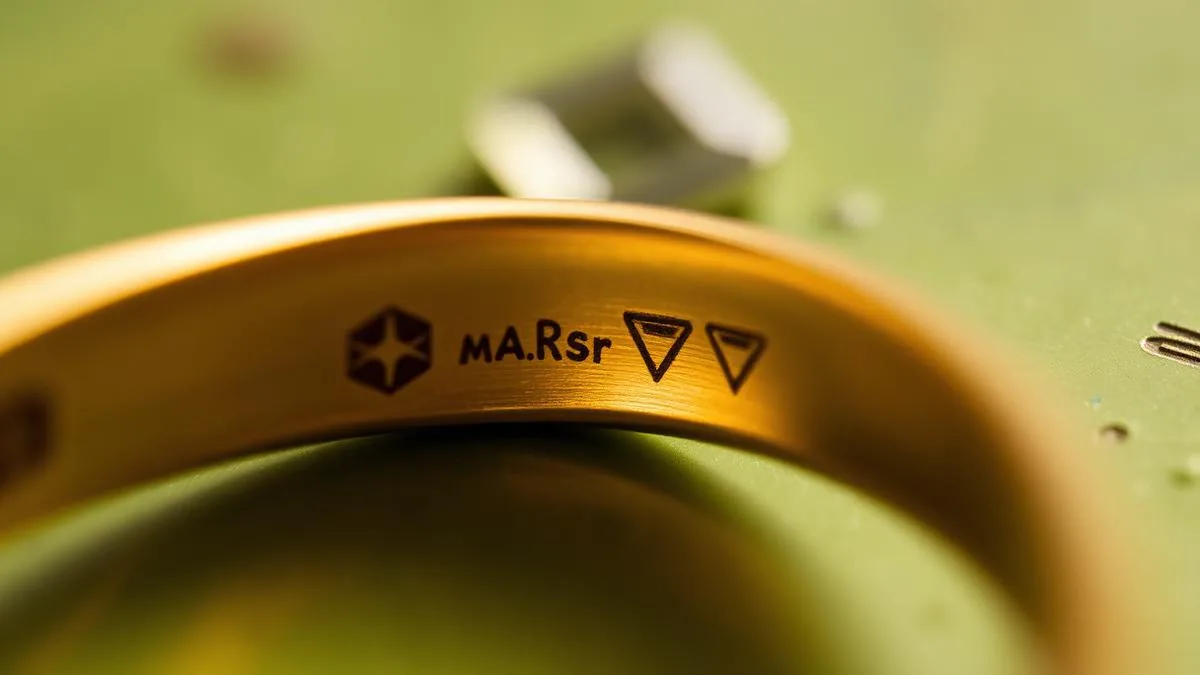
Do not have a vintage piece polished bright as a matter of course. A polishing wheel does not clean metal, it cuts metal away. Every pass softens hand engraving, rounds millegrain beading into a smooth line, thins a shank and can blur the hallmark that proves what the piece is.
Patina, the soft darkening in recesses and the fine web of surface wear, is evidence of age. Collectors pay for it. A ring that has been buffed to a mirror looks newer and is usually worth less. If a piece genuinely needs work, ask for a light hand finish that leaves the recesses alone.
Cleaning, by material
Gold set with diamonds tolerates the most: lukewarm water, one drop of mild dish soap, a soft baby toothbrush behind the stones, then rinse and pat dry over a bowl, never an open drain. Silver, and anything with an antique surface, needs its own care so the intentional oxidation is not stripped away.
Softer and more porous materials, and anything set in a way that can trap water, should not be soaked at all. That group covers pearls, opal, turquoise, coral, amber, emerald and any foiled or closed-back setting. We cover each material properly in the two guides below rather than trying to squeeze it into a general rule.
- Cleaning gold and diamond jewelry: how to clean gold jewelry
- Cleaning silver, and what not to do to antique patina or marcasite: how to clean silver jewelry
“Warm water, a soft brush and patience will out-perform any machine in your kitchen.”
What never to use
Ultrasonic cleaners loosen century-old settings, drive water under foiled stones and can shatter emeralds or heavily included diamonds. Steam cleaners do the same with heat added. Commercial silver dips strip the intentional oxidation from antique silver and leave a flat grey finish that cannot be restored.
Keep antique jewelry away from chlorine, which attacks the alloys in gold and can crack a shank over time, and from hairspray, perfume and hand sanitizer, which build a film on stones and dull enamel. Our everyday wear guide goes through this in more detail.
Wearing, storing and resizing
Jewelry goes on last and comes off first. Store pieces separately in soft pouches or a lined box, because a diamond will happily scratch every other stone and every metal in the drawer.
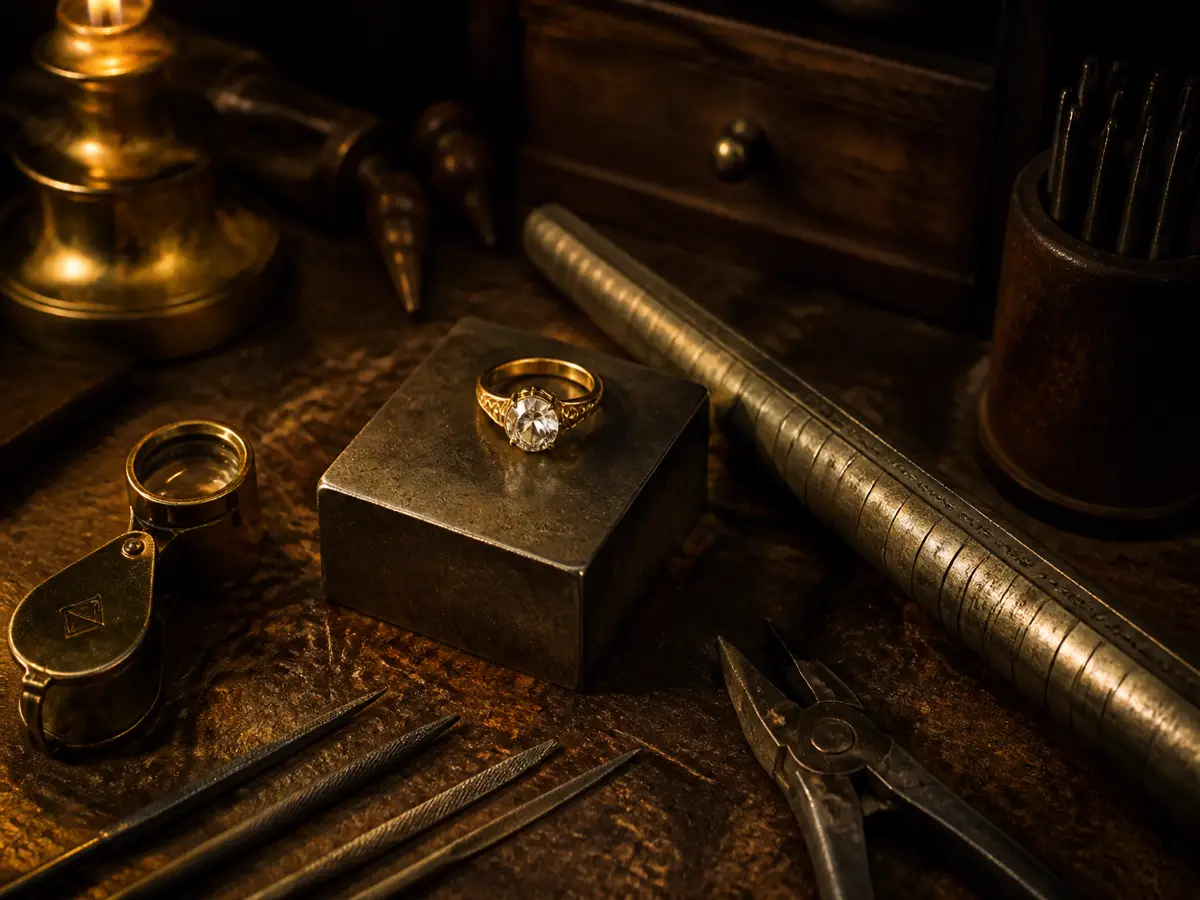
Not every antique ring can be resized without losing part of what makes it valuable, and the right approach depends on the piece. We walk through what is and is not usually possible in our resizing guide.
The yearly check that prevents the expensive repair
Once a year, look at your ring under a lamp and gently press each stone with a fingertip. Any movement means a claw has worn thin. Run a fingernail over the claws: if it catches, a tip is lifting.
Have a jeweler check claws, clasps, pin catches and pearl knots every one to two years if you wear a piece often. Retipping a worn claw is a small job. Replacing a stone that fell out is not. Our everyday wear guide has the full checklist.
What we do, and insuring a piece
Every piece we sell is checked at our own bench before it ships, and our in-house gemologist, a GIA Graduate Gemologist (GG), confirms the stones and the metal standard. If something needs attention later, write to us: we would rather advise you than see a piece repolished by someone who does not work with antique jewelry.
For anything above everyday value, it is worth insuring the piece properly rather than relying on a standard home policy. Our insurance guide explains what to ask your insurer and what a valuation report should contain.
Frequently asked questions
- Does polishing reduce the value of antique jewelry?
- It can, significantly. Polishing removes metal, softens hand engraving and millegrain, and can blur hallmarks. Collectors pay for an original surface, so light patina is usually an asset rather than a fault.
- Can I clean my vintage ring in an ultrasonic cleaner?
- No. Ultrasonic cleaning loosens old settings, drives water behind foiled stones and can fracture emeralds and heavily included diamonds. Warm soapy water and a soft brush are safer and just as effective for gold and diamonds.
- How often should vintage jewelry be checked by a jeweler?
- Every one to two years for pieces you wear regularly, and immediately if a stone moves, a claw catches on fabric or a clasp starts opening by itself.
- Is tarnish on antique silver a problem?
- Not usually. Antique silver is meant to have darker recesses, and that contrast is part of the design. See our silver cleaning guide for what to clean and what to leave alone.
- Can any vintage ring be resized?
- No. Eternity bands, engraved shanks, and closed-back or foiled settings often cannot be resized without losing part of the design or the stones. See our resizing guide for the detail, and ask us before you buy if sizing matters to you.
Written by our estate jewelry team and reviewed by our in-house gemologist, a GIA Graduate Gemologist (GG). We have been buying and selling European antique jewelry since 1973.
From the reading to the piece
Everyday vintage jewelry
Related guides
Keep reading
authenticity
How to clean gold jewelry safely
Warm water, a soft brush and patience will do more good than any cleaning product.
authenticity
How to clean silver jewelry without ruining the patina
Tarnish is not always a problem, and the pieces where it matters most are marcasite and niello.
how-to
Resizing vintage rings, what is and is not possible
Some antique rings resize like any modern ring. Others should not be cut at all.