How-to & tools
Resizing vintage rings, what is and is not possible
Some antique rings resize like any modern ring. Others should not be cut at all.
Written by our in-house jewelry team · Updated August 7, 2026 · 8 min read
In short
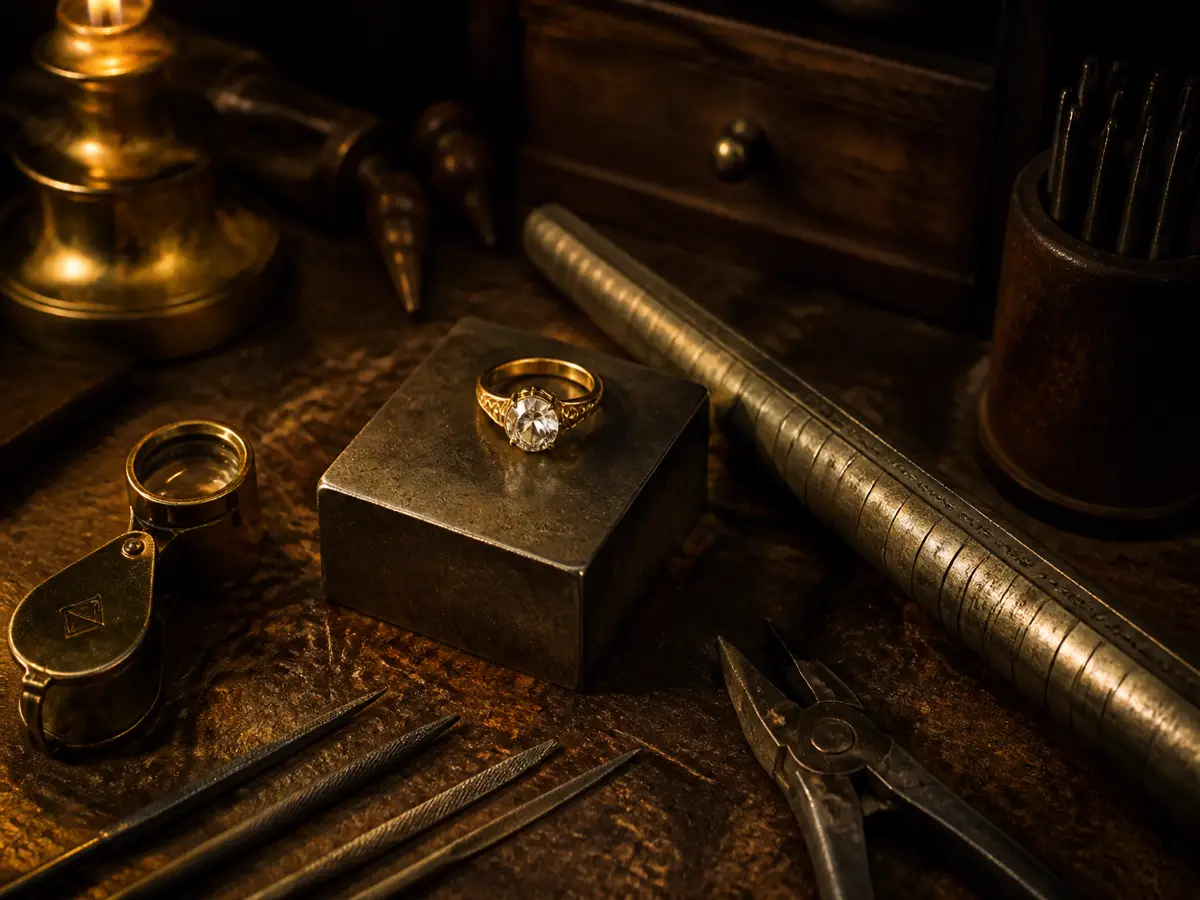
A plain-shank vintage ring in gold usually resizes much like a modern ring. Eternity bands set all the way around, engraved or chased shanks, and closed-back or foiled settings are often difficult or impossible to resize without losing stones or design, and platinum requires different techniques than gold. Sizing beads or an inner sizing shank can adjust the fit slightly without cutting the ring at all. We advise on the specific piece and can quote before you buy.
Resizing is one of the most common requests we get, and one of the questions we are least willing to answer with a flat yes or no, because it genuinely depends on how the individual ring was made.
A goldsmith resizes a ring by cutting the shank, removing or adding a section of metal, and rejoining it. That works beautifully on many rings and badly on others, depending on where the design sits relative to the cut.
Shop the pieces: Solitaire, curated and available now.
Rings that usually resize well
A ring with a plain, undecorated band and the setting confined to the top is the easiest case. The goldsmith cuts and adjusts the plain section at the back or sides, away from the setting and any engraving, and the join can be finished so it is very difficult to detect.
Most solitaire and cluster rings, and many rings with a decorative top but a plain shank, fall into this category. Gold generally solders and reshapes more predictably than platinum, which brings its own considerations below.
Eternity bands and stones set all the way around
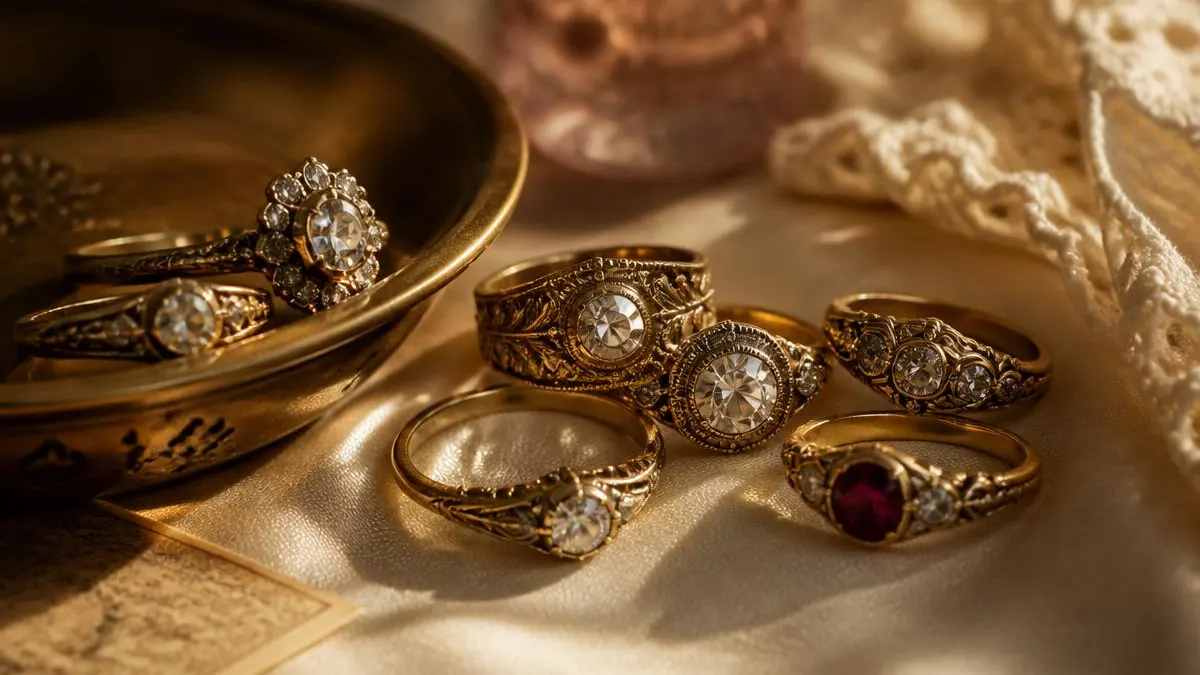
An eternity band, where stones continue around the entire circumference with no plain section to cut, is the hardest case. Any resizing point has to pass through set stones, which means removing and resetting stones on either side of the cut, or accepting a slightly uneven spacing.
Enlarging an eternity band by more than a fraction of a size often is not practical without disturbing several stones, and reducing one has the same problem in reverse. Sizing beads, described below, are frequently the better answer for a half size or so of adjustment.
Engraved, carved and chased shanks
A shank with hand engraving, chasing or carved relief running around it cannot usually be cut and rejoined without a visible break in the pattern. Even a skilled goldsmith can rarely continue a hand-cut design across a new join so that it reads as one continuous piece.
The same applies to a shank carrying a hallmark. Cutting through or very close to a hallmark can remove part of the mark that identifies the piece, which affects both its story and, in some cases, its documented history.
Closed-back and foiled settings
Closed-back settings, common in Georgian and early Victorian jewelry, enclose the stone from behind, often over foil that was placed there to enhance the color or sparkle of the stone using the technology of the time. Resizing work generates heat and vibration near the setting, both of which risk disturbing the foil or the glue holding some closed-back settings together.
These settings are best handled by a goldsmith experienced specifically with antique construction, and in some cases the safe answer is not to resize the ring at all, but to adjust the fit another way.
Platinum vs gold
Platinum is denser and has a higher melting point than gold, and it work-hardens differently, so it does not always respond to the same resizing techniques. Platinum shanks from the early twentieth century are also sometimes thinner than they look, since platinum's strength let jewelers use less metal, which leaves less material to work with when resizing.
A goldsmith experienced with platinum will choose different tools, temperatures and solder for a platinum ring than for the equivalent gold one. This is a case where the wrong technique, rather than the wrong intention, can genuinely damage a good ring.
Sizing beads and inner shanks
Small sizing beads, added to the inside of the shank, can take up a little room and tighten the fit without cutting the ring at all. They work well for a small adjustment on a ring that should not be cut, though they change how the ring sits on the finger and are not right for every hand or every style.
A discreet inner sizing shank, sometimes called a sizing insert, can also adjust fit on a ring where cutting the visible shank is not advisable. Both approaches are reversible, which cutting and resoldering is not.
Effect on value, and how we handle it
A well-executed resize on a plain shank rarely affects a ring's value. A resize that disturbs an eternity setting, breaks a hand-engraved pattern, damages a hallmark, or compromises a closed-back or foiled setting can measurably reduce it, both because of the visible change and because it can affect how confidently the piece can be authenticated later.
Because every ring is different, we advise on the specific piece rather than giving a general answer, and we are happy to tell you before you buy whether a ring you are considering can be resized and roughly what that would involve. Write to us with the size you need and we will let you know what is realistic.
Frequently asked questions
- Can any vintage ring be resized?
- No. Plain-shank rings usually resize well, but eternity bands, engraved or carved shanks, and closed-back or foiled settings are often difficult or impossible to resize without affecting the design or the stones.
- What are sizing beads?
- Small beads added to the inside of the shank that take up a little room and tighten the fit without cutting the ring. They suit a small adjustment on a ring that should not be cut.
- Is it harder to resize a platinum ring than a gold ring?
- The techniques differ. Platinum has a higher melting point and behaves differently under heat and hammering than gold, so it needs a goldsmith experienced specifically with platinum.
- Does resizing reduce a vintage ring's value?
- A clean resize on a plain shank usually does not. A resize that disturbs an eternity setting, breaks hand engraving, damages a hallmark, or affects a closed-back or foiled setting can reduce value.
- Can you tell me if a ring can be resized before I buy it?
- Yes. Write to us with the size you need and we will advise on that specific piece and quote for the work before you purchase, since resizing possibilities vary from ring to ring.
Written by our estate jewelry team and reviewed by our in-house gemologist, a GIA Graduate Gemologist (GG). We have been buying and selling European antique jewelry since 1973.
From the reading to the piece
Shop vintage rings
Each piece is one of a kind and sells once, so this collection changes constantly.
View solitaireRelated guides
Keep reading
how-to
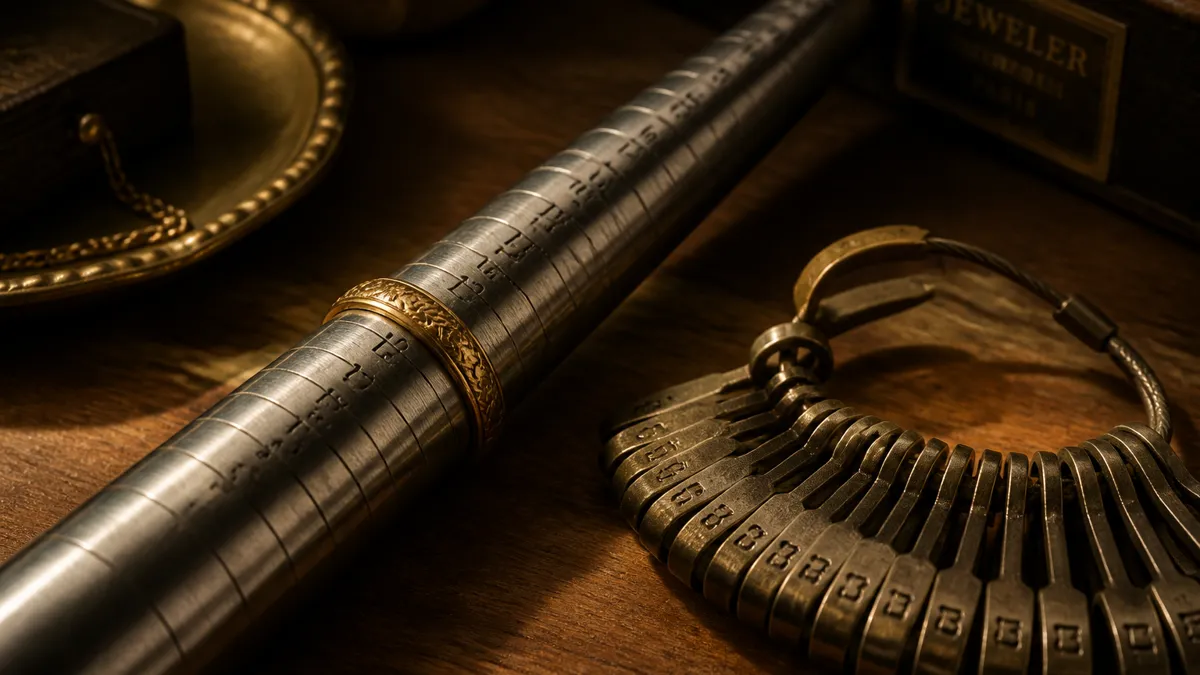
How to measure your ring size
Four ways to find your size at home, the traps that make people order a size wrong, and a converter between US, EU and UK sizes.
authenticity
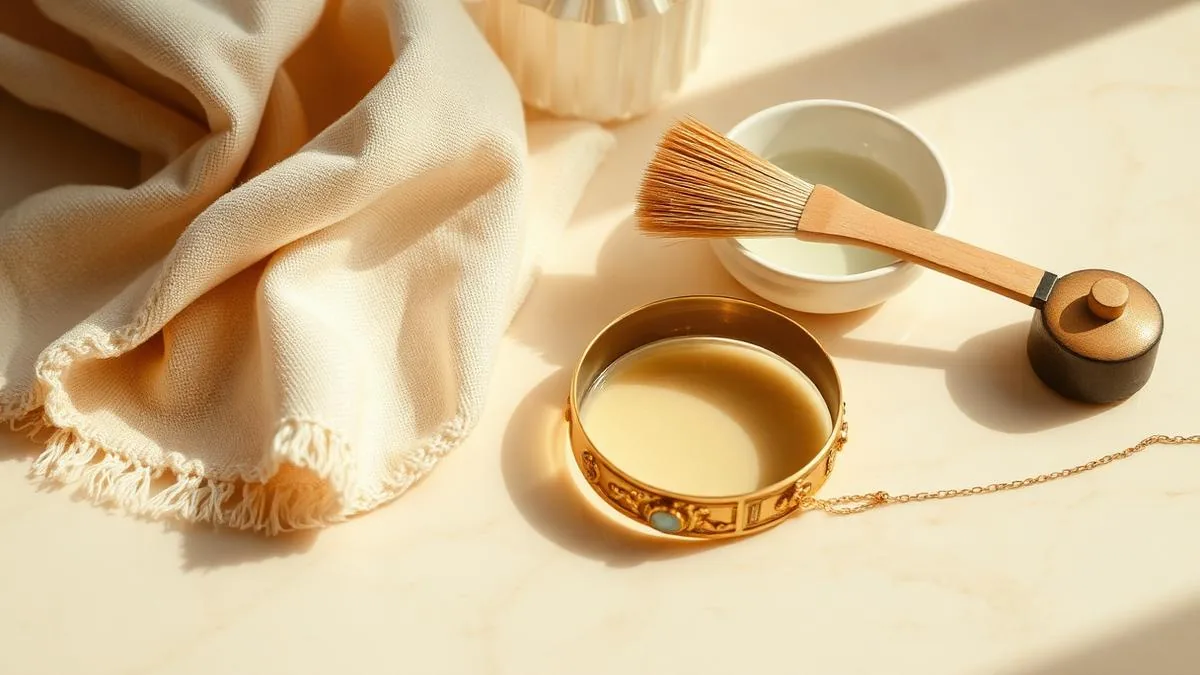
How to care for your vintage jewelry
Why repolishing can halve the value of a piece that took a century to earn its surface.
buying
The vintage engagement ring buying guide
Everything we would want a friend to know before spending several thousand dollars on a ring made a century ago.