Buying & value
How we price our pieces
Materials, maker, era, rarity, condition, provenance and the market together, weighed honestly.
Written by our in-house jewelry team · Updated August 7, 2026 · 7 min read
In short
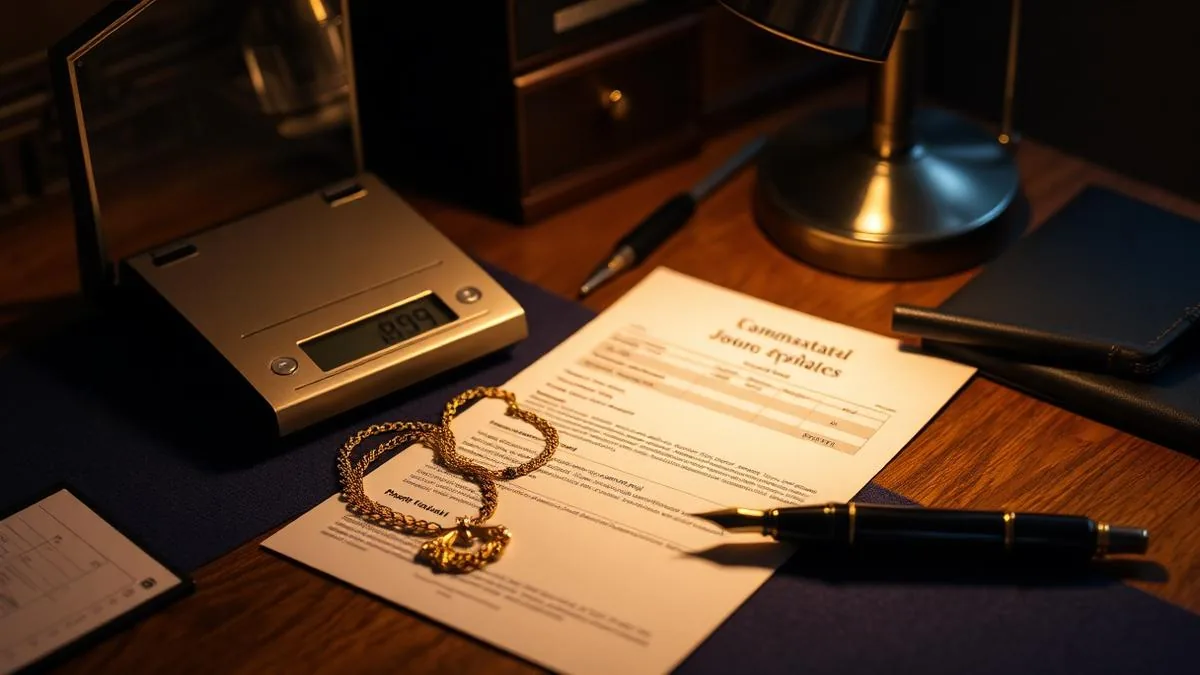
We price each piece by weighing several factors together: the intrinsic value of its materials, the reputation of its maker where one is confirmed, the rarity of its era and design, its condition and how much, if any, restoration it has needed, any documented provenance, and what comparable pieces have actually sold for. No single factor sets the price on its own, and we do not price by formula, because two pieces that look similar on paper can differ once all of these are weighed together.
Customers reasonably ask why one antique ring is priced where it is, and we think that deserves a straightforward answer rather than a vague one. We do not publish a fixed formula, because pricing genuinely old, individual pieces does not work like pricing new manufactured goods, but we can be clear about the factors that go into every price we set.
This is not a promise about what any particular piece is worth, and it should not be read as a valuation of anything you may already own. It is simply the honest explanation of our own process.
Shop the pieces: Everyday vintage fine jewelry, curated and available now.
Materials
The gold, platinum or silver content and the quality, size and type of any gemstones form a starting baseline. Natural stones are weighed differently from synthetic or treated ones, and precious metal weight and karat set a floor that moves with the metals market over time.
Maker
Where a maker's mark can be confirmed and is consistent with the piece's construction and period, the reputation and rarity of that maker's work is factored in. Unsigned pieces are priced on their own design, materials, craftsmanship and condition, and are not assumed to be lesser simply for lacking a signature.
Era and rarity
How much surviving jewelry exists from a given period, and how unusual a particular design or technique is within that period, both affect price. A hand-cut, hand-fabricated piece from a period where few examples survive in good condition is treated differently from a more common, later, or more heavily produced design.
Condition and restoration
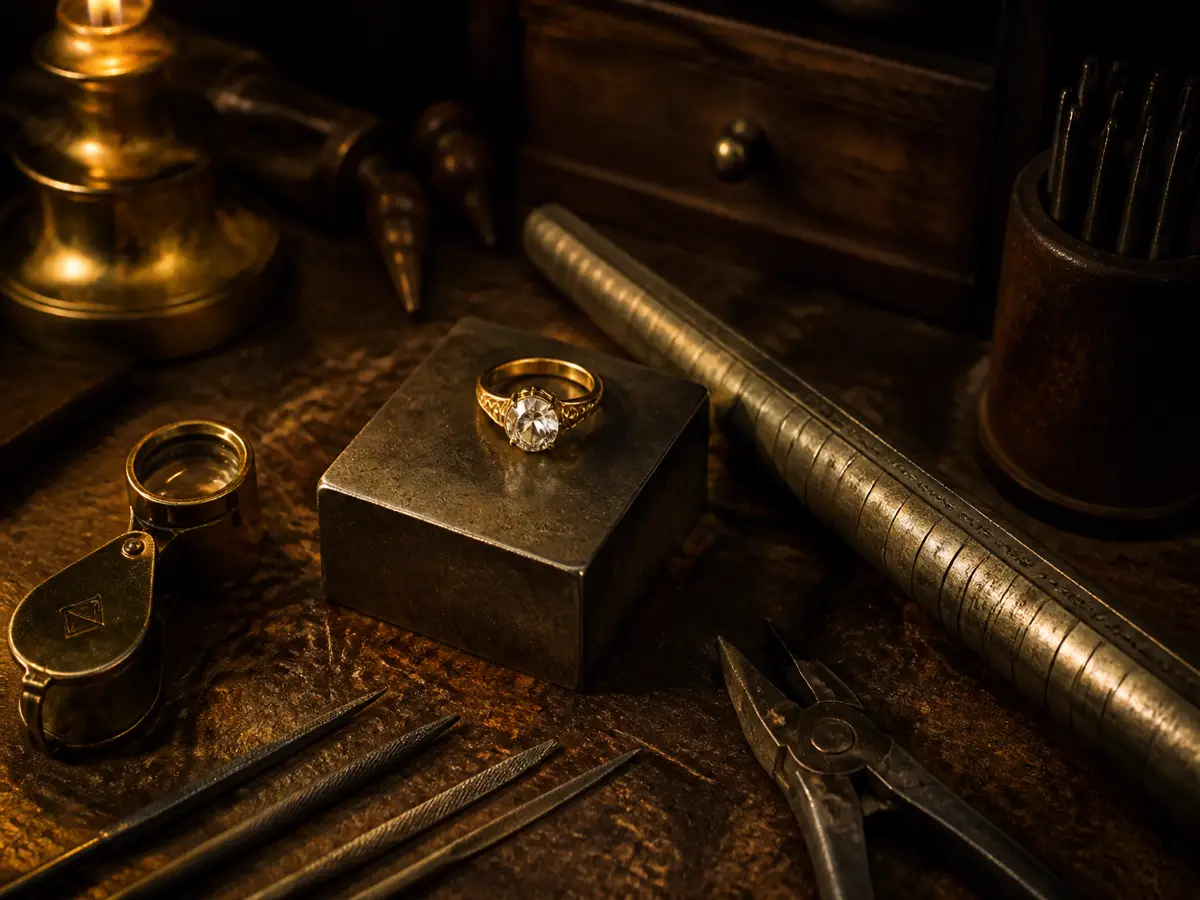
We weigh condition honestly, in the way described in our guide to condition grades: light age-appropriate wear affects price very little, while structural issues, undisclosed alterations, replaced stones and heavy restoration are factored in and disclosed. Where restoration work has been carried out, whether by us or by a previous owner, we account for the cost and skill involved and we say so plainly.
Provenance
Where documented history exists and can genuinely be supported, such as an original receipt or a verifiable prior ownership, it is factored into price. We do not invent or embellish provenance, and where none exists we simply do not claim any.
Market comparables
Finally, we look at what genuinely comparable pieces, in similar condition, of a similar maker, era and quality, have actually sold for, both through our own business and in the wider trade. This grounds a price in reality rather than in any single factor taken in isolation.
We do not disclose our internal margins or sourcing arrangements, and we do not offer speculative price predictions. What we can promise is that every price reflects a genuine weighing of the factors above, reviewed by our in-house gemologist, a GIA Graduate Gemologist (GG), rather than an arbitrary number.
Frequently asked questions
- Do you price by a fixed formula?
- No. Genuinely old, individual pieces vary too much for a fixed formula to be honest. We weigh materials, maker, era, rarity, condition, provenance and market comparables together for each piece.
- Why do two similar-looking rings have different prices?
- Details that are not obvious at a glance, such as whether a stone is natural or synthetic, whether a maker's mark can be confirmed, the exact condition of the shank, or how a comparable piece has actually sold, can meaningfully change the price even when two rings look alike.
- Will you tell me what my own jewelry is worth?
- We can prepare a detailed valuation and authenticity report through our in-house gemologist, a GIA Graduate Gemologist (GG). We do not offer instant or informal valuations based on a description or a photograph alone, because condition and authenticity genuinely need to be examined.
- Does restoration work increase the price?
- It can, where skilled, disclosed restoration has stabilized or improved a piece, because that work has real cost and skill behind it. It is always weighed alongside the piece's underlying condition rather than treated as pure upside.
Written by our estate jewelry team and reviewed by our in-house gemologist, a GIA Graduate Gemologist (GG). We have been buying and selling European antique jewelry since 1973.
From the reading to the piece
Everyday vintage jewelry
Related guides
Keep reading
buying
What makes vintage jewelry valuable
Rarity, maker, craftsmanship and condition matter more than age on its own.
buying
Understanding condition grades in vintage jewelry
What wear is normal for a hundred year old piece, and what actually reduces value.
buying
How much is my vintage ring worth?
There is no single number. Insurance value, market value and trade value can all be correct at once.