Buying & value
Vintage vs antique vs estate vs retro: what's the difference?
Four words used loosely in listings, each with a real, specific meaning.
Written by our in-house jewelry team · Updated August 7, 2026 · 7 min read
In short
Antique jewelry is generally understood to mean at least 100 years old. Vintage covers a broader range, roughly 20 to 100 years old, and is sometimes used loosely to mean simply old-fashioned in style. Retro refers to a specific design period, roughly 1935 to 1950, known for rose gold and sculptural forms, and is not a synonym for vintage in general. Estate only describes ownership history, meaning a piece has had a previous owner, and it says nothing about age at all, so an estate piece can be five years old or two hundred.
These four words appear on almost every listing of old jewelry, and they are used interchangeably far more often than they should be. Each one actually answers a different question: how old is it, what did it look like, and who owned it before you. Knowing the difference tells you what you are genuinely being offered.
We use all four terms carefully in our own descriptions, and this is the distinction we are drawing when we do.
Shop the pieces: New arrivals, curated and available now.
Antique: a specific age threshold
Antique is the one term with a widely used numeric definition: at least 100 years old. That threshold moves forward every year, so a piece has to keep getting older to remain antique, and a piece made in, say, 1920 only crossed into antique status around 2020.
Age thresholds also matter practically. In the United States, genuinely antique items can qualify for different customs treatment than modern goods, which is one reason a seller should be precise rather than approximate about whether a piece meets the 100 year mark.
Vintage: a range, not a single date
Vintage is used more loosely, generally covering pieces that are old but not yet antique, roughly 20 to 100 years old. Within the trade it is also sometimes used as an umbrella term for all older jewelry, antique included, which is part of why the words get blurred together in casual use.
Because vintage is a range rather than a fixed line, two vintage pieces can be separated by 60 or 70 years and look nothing alike. When precision matters, we prefer to name the actual era, such as Art Deco or mid-century, rather than leaving a piece simply labelled vintage.
Retro: a specific style, not a general age word
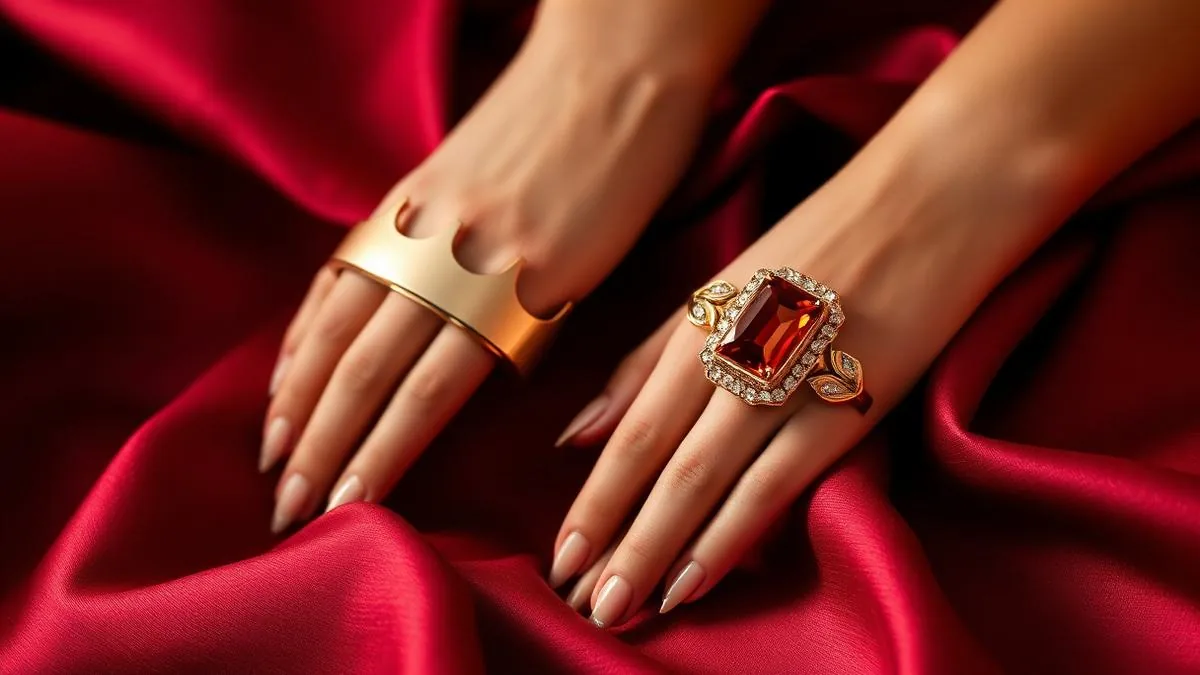
Retro has a narrower, more technical meaning within jewelry: it refers to the design period of roughly 1935 to 1950, characterized by rose and yellow gold, bold sculptural forms and large, often step-cut colored stones, produced partly in response to wartime platinum restrictions. A Retro piece is always vintage, but plenty of vintage jewelry, from other decades and other styles entirely, is not Retro.
This distinction matters because 'retro' is sometimes used casually in general conversation to mean simply old-fashioned or nostalgic. In a jewelry context it should be reserved for that specific mid-twentieth-century look and period.
Estate: about ownership, not age
Estate only tells you that a piece has been owned before, typically because it came from someone's estate or a previous owner sold it on. It carries no information about age at all. A modern ring bought last year and resold is technically estate jewelry, just as a genuine Victorian brooch is.
This is the most commonly misused term of the four, because 'estate jewelry' sounds inherently antique. If a listing describes a piece only as estate, and does not separately name a period or an age, it is worth asking directly what era the piece actually belongs to.
Why the distinctions matter when you buy
The right term affects your expectations of style, condition and sometimes customs treatment, and it should also tell you what evidence a seller is relying on. A confident, specific claim, such as 'Art Deco, circa 1925, antique', is backed by identifiable design and construction features. A vague claim, such as 'vintage estate jewelry' with no era named, often means the seller either does not know the period or has not looked closely enough to say.
We date every piece we sell to a specific era wherever the evidence supports it, and we use antique, vintage, retro and estate in their precise senses above rather than as interchangeable marketing language.
Frequently asked questions
- Is estate jewelry the same as antique jewelry?
- No. Estate only means previously owned. A piece can be estate and modern, estate and vintage, or estate and antique. Antique specifically means at least 100 years old, which is a separate question from ownership history.
- Is all vintage jewelry Retro?
- No. Retro refers specifically to the roughly 1935 to 1950 design period, known for rose gold and bold sculptural forms. Vintage is a much broader range covering roughly 20 to 100 years old and includes many other styles.
- At what age does vintage become antique?
- The generally used threshold is 100 years. A piece made in a given year crosses from vintage into antique territory once it reaches that age, which is why the boundary moves forward year by year.
- Why do sellers sometimes avoid naming an era?
- It can mean the piece genuinely defies easy dating, but more often it means the era has not been carefully identified. We recommend asking directly for the specific period a piece is attributed to and what evidence supports it.
Written by our estate jewelry team and reviewed by our in-house gemologist, a GIA Graduate Gemologist (GG). We have been buying and selling European antique jewelry since 1973.
From the reading to the piece
Shop new arrivals
Each piece is one of a kind and sells once, so this collection changes constantly.
View new arrivalsRelated guides
Keep reading
buying
What makes vintage jewelry valuable
Rarity, maker, craftsmanship and condition matter more than age on its own.
buying
How much is my vintage ring worth?
There is no single number. Insurance value, market value and trade value can all be correct at once.
eras
Retro jewelry guide, 1935 to 1950
Rose gold, sculpted volume and big colored stones, born out of wartime scarcity.