Gemstones & cuts
Turquoise, stabilized and otherwise
Porous, personal, and a stone that changes with the person wearing it.
Written by our in-house jewelry team · Updated August 1, 2026 · 5 min read
In short
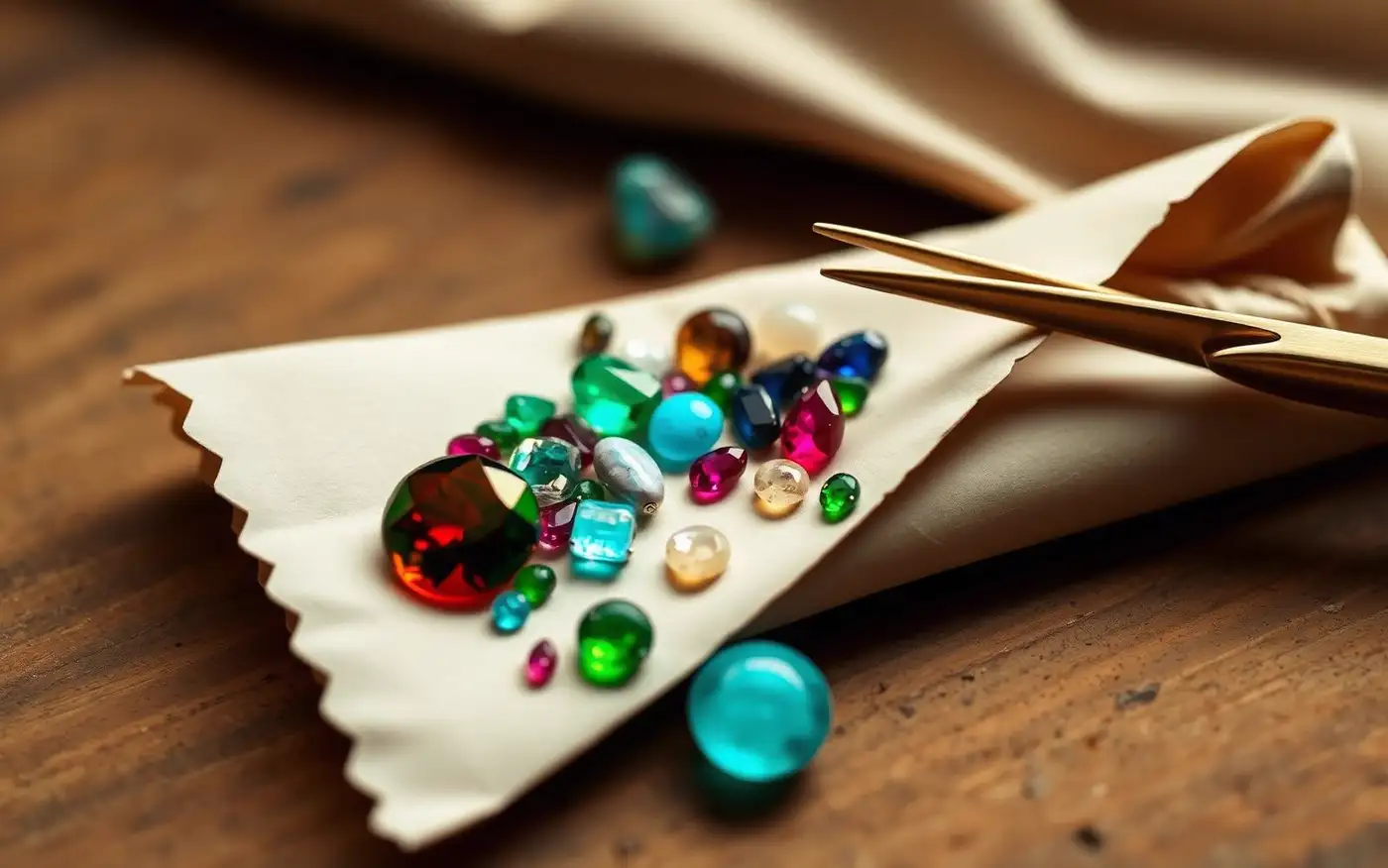
Turquoise is a hydrated copper aluminum phosphate, soft at 5 to 6 on the Mohs scale and porous. Most commercial turquoise is stabilized with resin, and antique stones frequently change color over decades from skin oils and cosmetics. That change is age, not damage, and it cannot be reversed.
Victorian jewelers used tiny turquoise cabochons by the hundred, in forget-me-not motifs and serpent rings, as a symbol of remembrance.
It is the most reactive stone in antique jewelry, which is part of its charm and all of its care requirements.
Shop the pieces: Turquoise, curated and available now.
A porous stone
Soft, absorbent and chemically restless, which is why a Victorian turquoise often no longer looks the color it was sold as.
Species and group: Hydrated copper aluminum phosphate. Mohs hardness: 5 to 6. Typical colors: Sky blue to green, often with brown or black matrix veining.
- Porous and absorbent, so it takes up oils, perfume and cleaning agents
- Matrix, the veining from the host rock, is natural and is valued differently by different markets
- Persian material is traditionally the most even sky blue; American turquoise often shows strong matrix
- Pavé turquoise in Victorian pieces is usually set in closed-back mounts
Stabilization, wax and reconstitution
Very little turquoise on the market is untouched, and the treatment ladder runs from a light wax through to reconstituted powder in resin. These are not variations of the same product.
Our gemologist examines every stone before a piece is listed, and the description states what is known and what cannot be determined without a laboratory report.
- Stabilization with resin or wax to harden porous material: very common in modern stones
- Dyeing to deepen or even out color
- Reconstituted turquoise, made from powdered material and binder, which is not solid natural stone
- Howlite and magnesite dyed blue are the most common imitations
Reading matrix, color and backing
The matrix pattern is the fingerprint here. Regularity is the warning sign, because nature is not tidy.
- Dyed howlite shows color concentrated in the veins rather than in the body of the stone
- Reconstituted material can look too even, with a plastic-like sheen under magnification
- Genuine turquoise feels cool and light; plastic warms instantly
- Uneven, gradual color change across an antique cabochon usually indicates natural aging
Persian blue, forget-me-nots and Arts and Crafts silver
Turquoise runs through Georgian and Victorian sentimental jewelry, returns in Art Deco alongside coral and onyx, and again in bold 1960s and 1970s gold mounts.
Because turquoise commonly changes color with wear, we describe what the stone looks like now and never present a greened Victorian cabochon as a fault or restore it with dye.
Frequently asked questions
- Why has my turquoise turned green?
- Skin oils, cosmetics and time. The stone is porous and absorbs them, which shifts blue toward green. It is permanent and very common in antique pieces.
- Can turquoise be cleaned?
- Only with a dry or barely damp soft cloth. Never soak it and never use ultrasonic or chemical cleaners.
- Is stabilized turquoise real turquoise?
- Yes, it is natural stone impregnated with resin to make it durable. Reconstituted turquoise, made from powder and binder, is a different thing and should be labeled as such.
Written by our estate jewelry team and reviewed by our in-house gemologist, a GIA Graduate Gemologist (GG). We have been buying and selling European antique jewelry since 1973.
From the reading to the piece
Shop turquoise jewelry
Each piece is one of a kind and sells once, so this collection changes constantly.
View turquoiseRelated guides
Keep reading
eras
Mid-century jewelry guide, 1950 to 1970
Textured gold, clean solitaires and the first modern brilliants.
gemstones
Coral: what it is and what you can bring home
An organic material with real history and real regulation.
how-to
Caring for pearls, opals and other soft stones
Last on, first off, and never in an ultrasonic.