How-to & tools
Caring for pearls, opals and other soft stones
Last on, first off, and never in an ultrasonic.
Written by our in-house jewelry team · Updated August 1, 2026 · 6 min read
In short
Pearls, opal, emerald, turquoise, coral and amber are soft, porous or fracture-prone. Put them on after perfume and hairspray, wipe them with a soft damp cloth after wearing, keep them away from ultrasonic cleaners, heat and chemicals, and have pearl strands restrung on knotted silk every one to two years of regular wear.
Hardness is only part of the story. Pearls are soft and porous, opal holds water and dislikes sudden temperature change, and emerald is hard but heavily included and prone to fracture.
Shop the pieces: Pearl, curated and available now.
Pearls
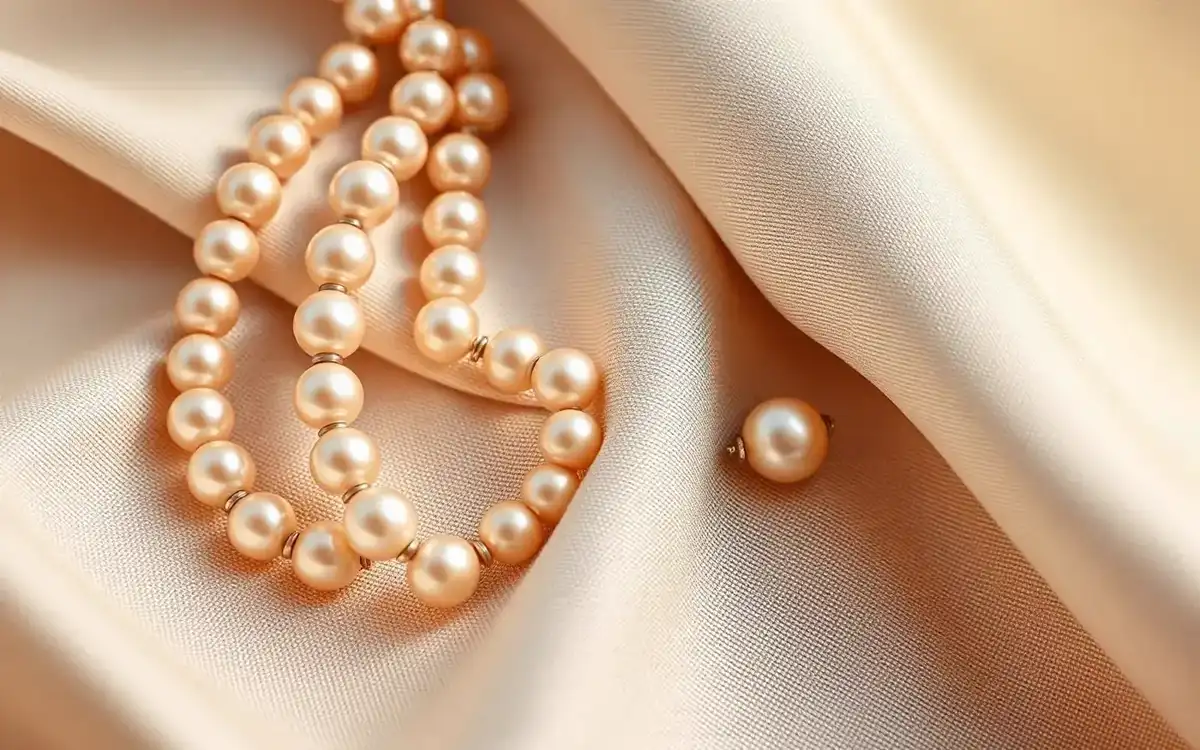
Pearl is nacre, an organic material around 2.5 to 4.5 on the Mohs scale, which makes it softer than almost anything else in a jewelry box. Perfume, hairspray, hand sanitizer and even sustained skin acidity dull the surface.
The rule is last on, first off. After wearing, wipe the strand with a soft cloth slightly damp with plain water and let it dry flat before putting it away.
- Restring on silk with a knot between each pearl every one to two years of regular wear
- Knots stop the pearls rubbing and stop you losing the strand if the thread breaks
- Never hang a strand to dry; the wet silk stretches
- Never use an ultrasonic, steam, or any dip cleaner
Opal, turquoise, coral and amber
These are porous and absorb oils, dyes and solvents. Clean with a dry or barely damp cloth only and store away from direct heat and strong light.
Opal contains water, typically several percent by weight. Rapid drying or a hot car dashboard can craze it, and a crazed opal cannot be repaired. Many antique turquoise pieces have naturally changed color over the decades from contact with skin oils; that is age, not damage.
Emerald
Emerald is 7.5 to 8 on the Mohs scale but is usually included enough to be fragile. Nearly all emeralds, antique ones included, have been treated with oil or resin to improve clarity, which is an accepted and disclosed practice.
Ultrasonics, steam, heat and solvents strip that filler and can make the inclusions far more visible. Warm water, mild soap and a soft brush, or better still a professional clean and re-oil.
Frequently asked questions
- How can I tell a real pearl from an imitation?
- Real pearls feel slightly gritty when rubbed lightly against a tooth edge, and cool to the touch. Our gemologist tests every strand before listing, including whether the pearls are natural or cultured.
- Can a crazed opal be fixed?
- No. The fine network of surface cracks is permanent, which is why storage and temperature matter so much with opal.
- How much does restringing cost?
- It is modest and it is the single best thing you can do for a strand. We restring pearls bought from us on request.
Written by our estate jewelry team and reviewed by our in-house gemologist, a GIA Graduate Gemologist (GG). We have been buying and selling European antique jewelry since 1973.
From the reading to the piece
Shop pearl jewelry
Each piece is one of a kind and sells once, so this collection changes constantly.
View pearlRelated guides
Keep reading
gemstones
Pearls: natural, cultured, and how to tell
Natural, cultured and imitation, and how to tell which you have.
gemstones
Living with opal
Water, silica and the play of color that defined Art Nouveau.
gemstones
Emerald, and what a century of oil does to it
The most beautiful and the most fragile of the big four.
how-to
How to clean vintage jewelry at home
Warm water, a soft brush and knowing when to stop.