Gemstones & cuts
Pearls: natural, cultured, and how to tell
Natural, cultured and imitation, and how to tell which you have.
Written by our in-house jewelry team · Updated August 1, 2026 · 5 min read
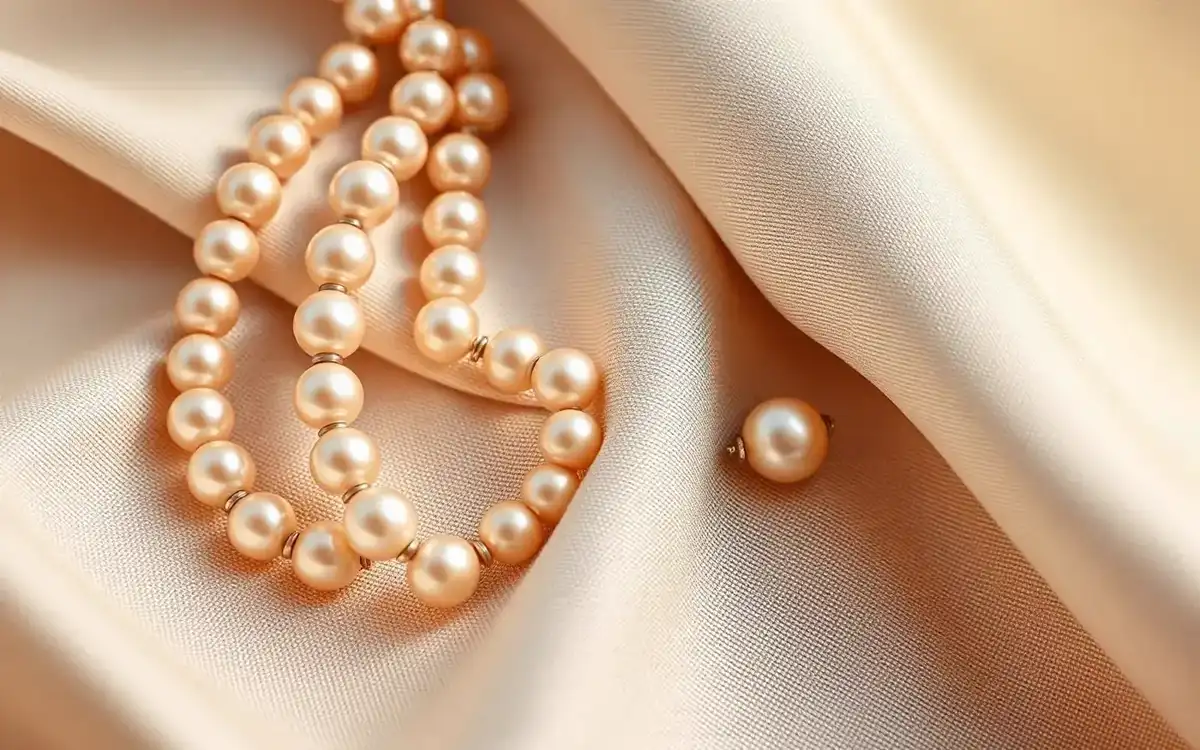
In short
Pearls are organic, formed of nacre, and soft at roughly 2.5 to 4.5 on the Mohs scale. Natural pearls formed without human intervention and were extremely valuable before the 1920s; cultured pearls are grown around an inserted nucleus and became widespread from the 1920s onward. Only an X-ray can separate them with certainty.
Pearls in an Edwardian necklace were once worth more than the diamonds beside them. The arrival of the cultured pearl in the 1920s changed that market permanently.
For a buyer today, the question is almost always the same: natural or cultured, and has the strand been looked after.
Shop the pieces: Pearl, curated and available now.
Nacre, in short
An organic gem, soft, layered and grown rather than mined, which is why every rule that applies to a sapphire is wrong here.
Species and group: Organic, calcium carbonate nacre. Mohs hardness: 2.5 to 4.5. Typical colors: White, cream, rose, silver, grey, golden and black, with overtones.
- Value depends on luster, surface, shape, color, size and, for strands, matching
- Natural pearls show concentric nacre growth throughout when X-rayed; cultured pearls show a bead nucleus
- Nacre thickness determines how a cultured pearl ages; thin nacre wears through at the drill hole
- Baroque, button, drop and seed pearls all appear widely in antique jewelry
Bleaching, dyeing and lustre
Pearl treatments are mostly cosmetic and mostly old news, but a dyed pearl and a naturally colored one are different purchases and the seller should know which is on the table.
Our gemologist examines every stone before a piece is listed, and the description states what is known and what cannot be determined without a laboratory report.
- Bleaching and light polishing: routine and generally accepted
- Dyeing, including to produce black or golden colors
- Irradiation to darken freshwater pearls
- Coated imitation beads made of glass or plastic, which are not pearls at all
“Pearls are the only gem you should put on after your perfume and take off before your shower.”
Handling a strand for the first time
Only an X-ray settles natural versus cultured with certainty. Everything below tells you whether asking for one is worth the trouble.
- The tooth test: real nacre feels faintly gritty against a tooth edge; imitations feel smooth
- Look at the drill hole under magnification for a bead nucleus or flaking coating
- Real pearls in a strand vary subtly in shape and surface; imitation strands are uncannily uniform
- Only radiography reliably separates natural from cultured, and we say when a strand has not been tested
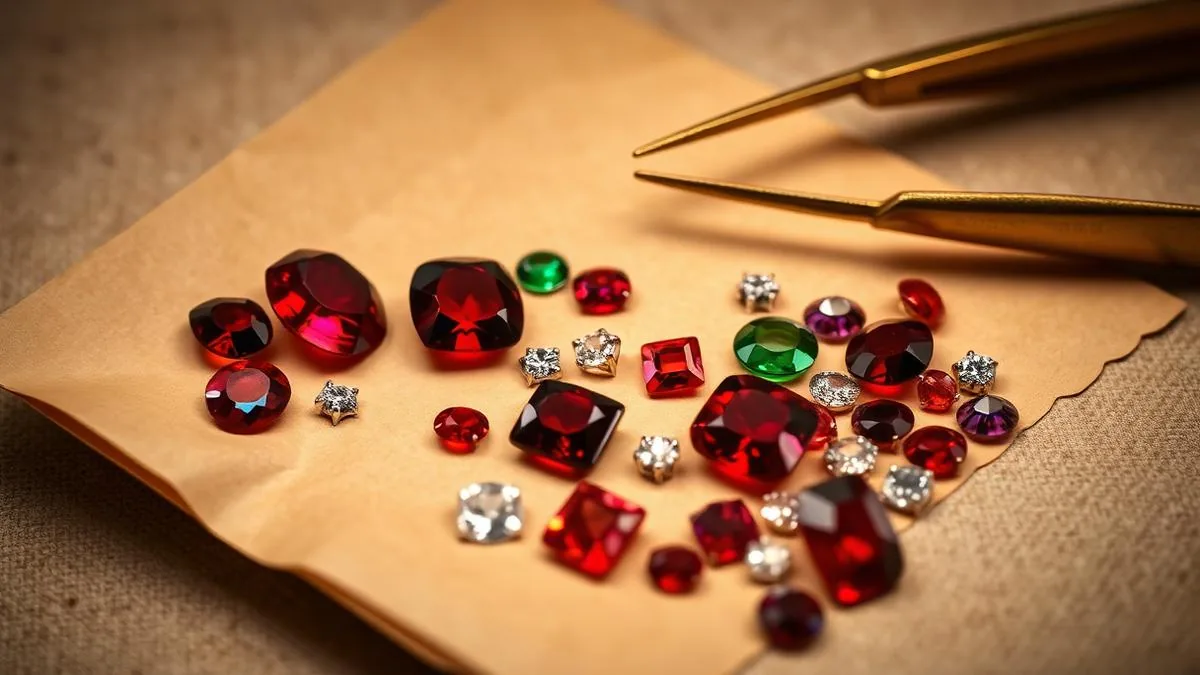
Before and after Mikimoto
Seed pearls edge Georgian and Victorian mourning and sentimental jewelry, natural pearls define Edwardian garland-style necklaces and pendants, and cultured strands become common from the 1920s.
Every strand we sell is examined and restrung on knotted silk before it ships, and the description states natural, cultured or untested.
Frequently asked questions
- Are natural pearls much more valuable than cultured?
- Generally yes, sometimes by a very large multiple, which is why we do not describe a pearl as natural without evidence.
- How often should pearls be restrung?
- Every one to two years with regular wear, always with a knot between each pearl.
- Can pearls be worn every day?
- They can, but they are soft and porous. Put them on last, after perfume and hairspray, and wipe them after wearing.
Written by our estate jewelry team and reviewed by our in-house gemologist, a GIA Graduate Gemologist (GG). We have been buying and selling European antique jewelry since 1973.
From the reading to the piece
Shop pearl jewelry
Each piece is one of a kind and sells once, so this collection changes constantly.
View pearlRelated guides
Keep reading
gemstones
Pearls in vintage jewelry
Natural, cultured or imitation, and why the difference is worth thousands.
how-to
Caring for pearls, opals and other soft stones
Last on, first off, and never in an ultrasonic.
eras
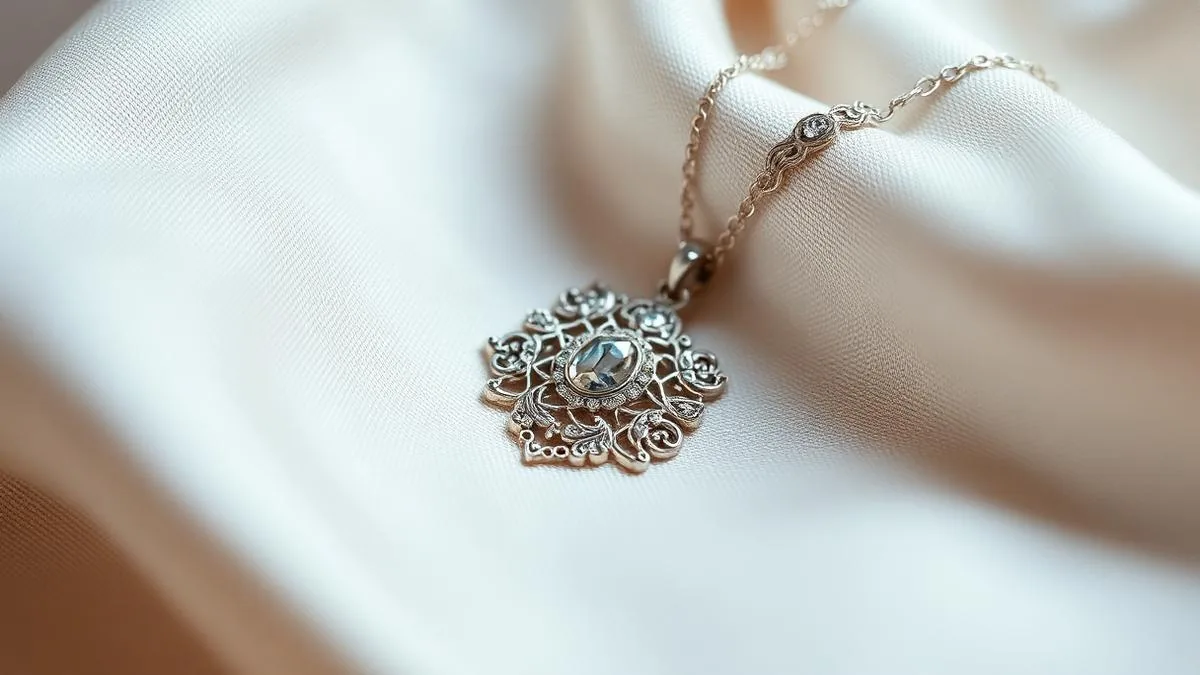
Edwardian jewelry guide, 1901 to 1915
Platinum lace, millegrain and diamonds that appear to float on almost no visible metal.