Buying & value
Jewelry appraisal and insurance in the US
What a valuation report should contain, replacement value versus market value, and how to keep it current.
Written by our in-house jewelry team · Updated August 7, 2026 · 8 min read
In short
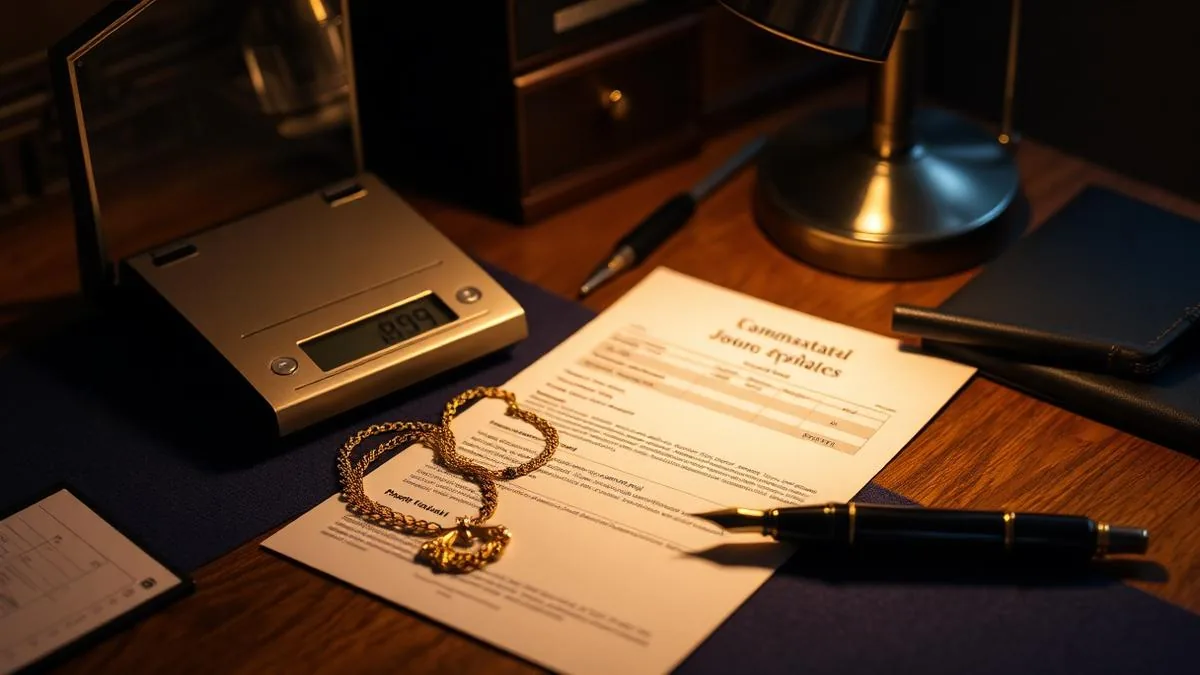
A jewelry appraisal for insurance purposes is a written document that describes a piece in full, states a value on a specific basis, usually retail replacement, and is dated and signed by the person who prepared it. That document is what most US insurers require to schedule a piece of jewelry on a policy. It should be updated every few years, since replacement costs move with metal and gemstone markets even when a piece itself has not changed.
We include a detailed valuation and authenticity report prepared by our gemologist, a GIA Graduate Gemologist (GG), with every significant piece we sell, and buyers regularly ask what it is for and how it fits into the insurance process. This is that explanation.
None of this is insurance advice specific to any policy or provider. Requirements vary by insurer, and this guide describes general practice rather than any single company's terms.
Shop the pieces: Fine & rare, curated and available now.
What a valuation report should contain
A usable report describes the piece in enough detail that it could be identified and replaced without the physical item in hand: the metal and its standard, the cut, weight and quality of any gemstones with the method used to estimate them, overall measurements, condition, any maker's marks or hallmarks present, a period attribution where one is warranted, and clear photographs.
It should also state plainly who prepared it and on what basis, be dated, and state a single value on a named basis rather than a range with no explanation. A report missing any of these elements is harder for an insurer to rely on and harder to use later if a claim is ever made.
- Full description: metal, standard, stone specifications, measurements, condition
- Marks and hallmarks recorded, with a period attribution where warranted
- Clear photographs of the piece and any marks
- A stated valuation basis, a dated figure, and the preparer's credentials
Replacement value versus fair market value
Insurance valuations are almost always written on a retail replacement basis, meaning the cost to acquire a comparable piece at retail within a reasonable time. This figure is deliberately conservative from a shopper's point of view and is usually higher than what the same piece would fetch if sold, because replacement assumes buying rather than selling and does not discount for the time or effort a private sale would take.
Fair market value, by contrast, estimates what a willing buyer would pay a willing seller under no pressure, and is the basis used for purposes such as estate settlement or charitable donation rather than insurance. The same piece can carry two quite different, and both legitimate, figures depending on which basis a report is written for, so it matters that a report states its basis explicitly.
Scheduling a piece on a policy
Scheduling means adding a specific, individually described item to an insurance policy at an agreed value, rather than relying on a general limit for jewelry that most homeowners and renters policies include and that is usually far too low to cover a fine vintage piece. Scheduling typically requires the written valuation described above, and many insurers will also want photographs on file.
A specialist jewelry policy is a separate option some owners choose instead of or alongside scheduling on a homeowners policy, and it can offer broader terms for loss, theft or damage. Which route suits a given piece and a given owner is a question for an insurance professional rather than for us, since we do not sell or arrange coverage.
When to update a valuation
Metal and gemstone markets move, and a valuation written some years ago can understate what it would actually cost to replace a piece today even if the piece itself is unchanged. A reasonable interval for revisiting a valuation is every few years, or sooner after any period of significant movement in gold or gemstone prices, and always after any repair, resizing or restoration that changes the piece.
Keeping the original report alongside any updated one is worth doing, since the history of a piece's documentation, including prior condition notes and photographs, can itself be useful evidence over time.
What our report is, and what it is not
Every piece we sell above a meaningful value includes a detailed valuation and authenticity report prepared by our in-house gemologist, a GIA Graduate Gemologist (GG), describing the piece fully and stating a valuation on a stated basis, along with our attribution of period and maker where one is warranted. It is prepared by the seller, and we describe it accurately as such rather than presenting it as an independent third-party appraisal.
Some buyers choose to have a piece independently reappraised by a local gemologist after purchase, which is a reasonable step for anyone who wants a valuation prepared entirely outside of the seller, and our report is written with enough detail to make that comparison straightforward.
Documentation to keep together
For any significant piece, keep the valuation report, purchase documentation, photographs taken at the time of purchase, and any prior appraisals in one place, physical or digital, that is easy to produce quickly. This bundle is what most insurers ask for both to schedule a piece and to process a claim, and having it assembled ahead of time saves real difficulty later.
Frequently asked questions
- Is the report you include the same as an insurance appraisal?
- It is a detailed valuation and authenticity report prepared by our gemologist, a GIA Graduate Gemologist (GG), describing the piece fully and stating a valuation, and most US insurers accept this kind of document to schedule a piece. It is prepared by the seller, not an independent third party, and we describe it that way.
- Why is the replacement value higher than what I paid?
- Replacement value assumes buying a comparable piece at retail, often without the time to search widely, which is a different and generally higher figure than a negotiated purchase price or a resale estimate.
- How often should I update a jewelry valuation?
- Every few years as a general practice, and sooner after significant movement in metal or gemstone markets, or after any repair or resizing that changes the piece.
- Do I need to schedule every piece of jewelry I own?
- Most homeowners and renters policies include a modest blanket limit for jewelry that covers minor items reasonably well. Individually valuable pieces, vintage or otherwise, generally need to be scheduled separately to be properly covered, which is a question best confirmed with your insurer.
- Can I use your report to insure a piece bought elsewhere?
- We can only prepare a valuation and authenticity report for pieces we sell, since it depends on our gemologist, a GIA Graduate Gemologist (GG)'s own physical examination of the item.
Written by our estate jewelry team and reviewed by our in-house gemologist, a GIA Graduate Gemologist (GG). We have been buying and selling European antique jewelry since 1973.
From the reading to the piece
Shop fine and rare pieces
Related guides
Keep reading
buying
Understanding condition grades in vintage jewelry
What wear is normal for a hundred year old piece, and what actually reduces value.
buying
What makes vintage jewelry valuable
Rarity, maker, craftsmanship and condition matter more than age on its own.
buying
Vintage vs antique vs estate vs retro: what's the difference?
Four words used loosely in listings, each with a real, specific meaning.