Eras
Victorian jewelry: a complete guide
1837 to 1901, sixty-four years of jewelry that was made to be worn every day and usually shows it.
Written by our in-house jewelry team · Updated July 24, 2026 · 8 min read
In short
Victorian jewelry covers Queen Victoria's reign, 1837 to 1901, and is usually divided into three phases: Romantic, Grand or mourning, and Aesthetic. Expect yellow gold, rose and old mine cut diamonds, seed pearls, garnet, turquoise and jet, closed-back settings in earlier pieces, and motifs that carry meaning — serpents, hands, hearts and flowers.
Victorian jewelry covers the reign of Queen Victoria, 1837 to 1901. That is longer than Art Nouveau, Edwardian and Art Deco combined, and the jewelry changes completely from one end of it to the other.
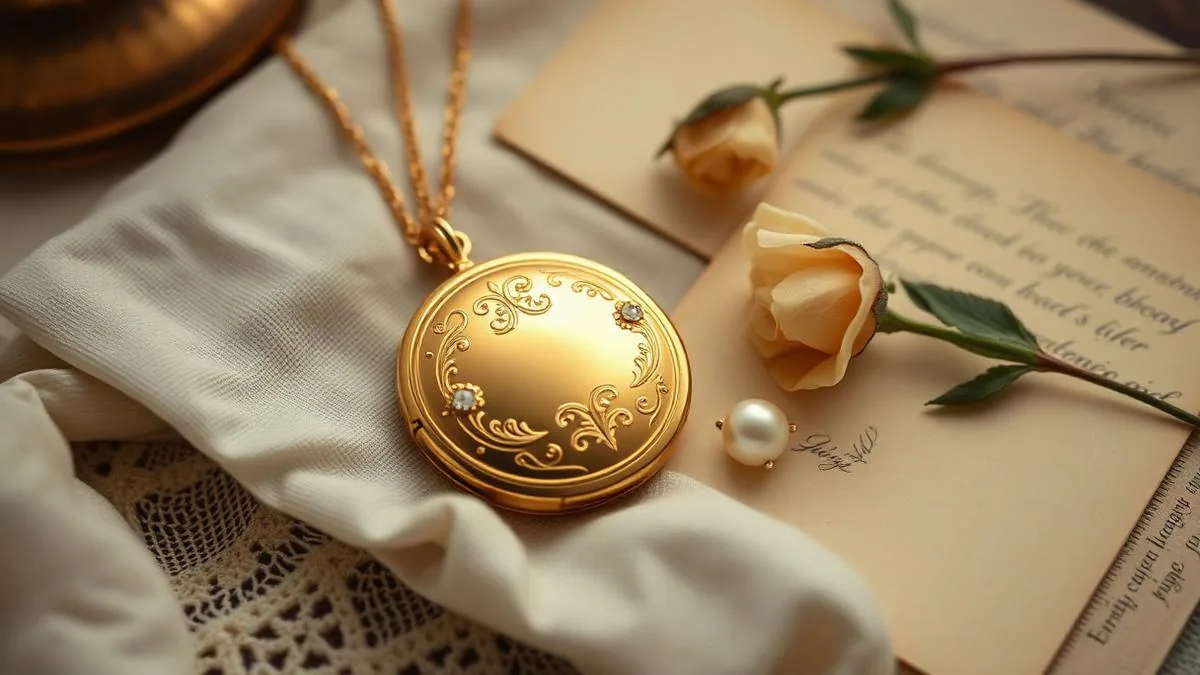
It is also the most sentimental jewelry ever made. Victorians gave rings that spelled words in gemstone initials, wore lockets with a lock of hair inside, and mourned in jet and black enamel. Once you know the vocabulary, a Victorian piece reads almost like a letter.
Shop the pieces: Victorian, curated and available now.
The three Victorian periods
Dealers split the era into three, and the divisions are genuinely useful when you are dating a piece.
- Romantic, 1837 to 1860: naturalistic. Flowers, hearts, serpents, hands, seed pearls, coral and low-karat gold worked into hollow shapes so it looked substantial without the weight.
- Grand, 1860 to 1885: after Prince Albert's death in 1861. Heavier and darker. Jet, black enamel, onyx, mourning brooches, Etruscan revival granulation and archaeological motifs.
- Aesthetic, 1885 to 1901: lighter again. Small delicate brooches, crescents and stars, diamonds set in silver-topped gold, and the first machine-assisted work.
Materials you will actually meet
Victorian gold is often 9K, 12K or 15K in Britain, and 14K in Continental Europe, which is why so many pieces have survived: lower karat gold is harder. Rolled gold and gilt metal were also widespread and honest at the time, not fakery.
Diamonds before about 1890 are almost always set in silver over gold, because silver was thought to show a stone whiter. The silver oxidizes to a soft grey, which is correct and should never be polished bright.
Other period materials include jet from Whitby, vulcanite, bog oak, tortoiseshell with pique inlay, banded agate, garnets in flat closed-back settings, turquoise pave and natural seed pearls threaded on horsehair.
“Victorian jewelry was made to be worn, mourned in, inherited and altered. A piece with a history of small honest repairs is not a compromised piece.”
Reading Victorian symbolism
The motifs are not decoration alone. A snake swallowing its tail means eternal love, and Victoria's own engagement ring was a snake. A hand holding a flower means friendship offered. Ivy is fidelity, forget-me-nots are remembrance, a crescent moon is a growing love.
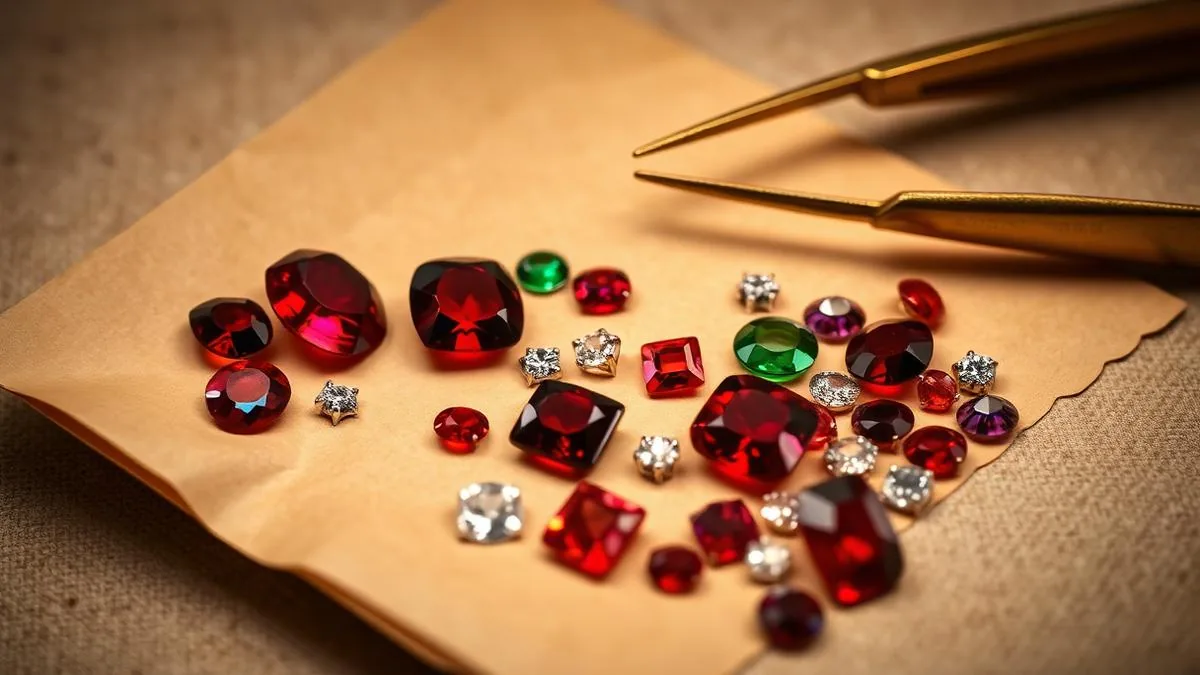
Acrostic jewelry spells a word with the first letter of each stone. REGARD is ruby, emerald, garnet, amethyst, ruby, diamond. DEAREST adds sapphire and topaz. These are not rare, and they are one of the most personal things you can buy.
How to tell genuine Victorian from revival
The 1970s and again the 2000s produced a great deal of Victorian-style jewelry. Three checks separate them quickly.
- Closed backs: Victorian garnets and pastes usually sit in closed, foiled settings. A modern copy is normally open at the back.
- Hand-cut stones: rose cuts and old mine cuts with visible irregularity, not calibrated modern stones.
- Construction: hollow-formed and hand-seamed gold with visible solder lines, rather than a single cast body.
- Hallmarks: British Victorian gold often carries a full hallmark with a date letter, which pins it to one year.
Condition and what is acceptable
A hundred and fifty year old brooch is allowed to show its life. Light surface wear, a replaced pin stem and a professionally repaired hinge are normal and do not hurt value much.
What does hurt value: replaced stones of the wrong cut, a heavily polished surface that has softened the engraving, and enamel loss on mourning pieces. Enamel can be restored, but it is skilled and expensive work, so it should be reflected in the price.
Frequently asked questions
- How can I tell if my jewelry is Victorian?
- Look for hand construction, closed-back or foiled stone settings, old mine or rose cut stones, low-karat gold, and British hallmarks with a date letter. Silver-set diamonds on a gold back are another strong Victorian sign.
- Is Victorian jewelry valuable?
- It ranges widely. Common gilt brooches are modest, while a good Victorian diamond ring, a signed piece, or fine enamel and gold work can be worth many thousands. Condition, gold karat, stone quality and whether the piece is complete drive most of the value.
- What is mourning jewelry?
- Jewelry made to remember someone who has died, usually in jet, black enamel or onyx, sometimes containing woven hair and an inscription with a name and date. It was worn openly and is entirely collectible today.
- Can Victorian jewelry be worn daily?
- Rings and sturdy bangles often can. Fine brooches, seed pearl work and hair jewelry are better kept for occasions, because the materials are fragile and difficult to replace.
Written by our estate jewelry team and reviewed by our in-house gemologist, a GIA Graduate Gemologist (GG). We have been buying and selling European antique jewelry since 1973.
From the reading to the piece
Shop Victorian jewelry
Each piece is one of a kind and sells once, so this collection changes constantly.
View victorianRelated guides
Keep reading
eras
Art Deco jewelry: a complete guide
1920 to 1935, when jewelry stopped imitating flowers and started imitating architecture.
authenticity
Reading maker's marks and hallmarks
How a mark set is built, what each stamp actually proves, and what it never can.
authenticity
How to care for your vintage jewelry
Why repolishing can halve the value of a piece that took a century to earn its surface.