Gemstones & cuts
Modern brilliant cut diamonds explained
The round diamond cut to a formula, built for maximum sparkle under electric light.
Written by our in-house jewelry team · Updated August 7, 2026 · 7 min read
In short
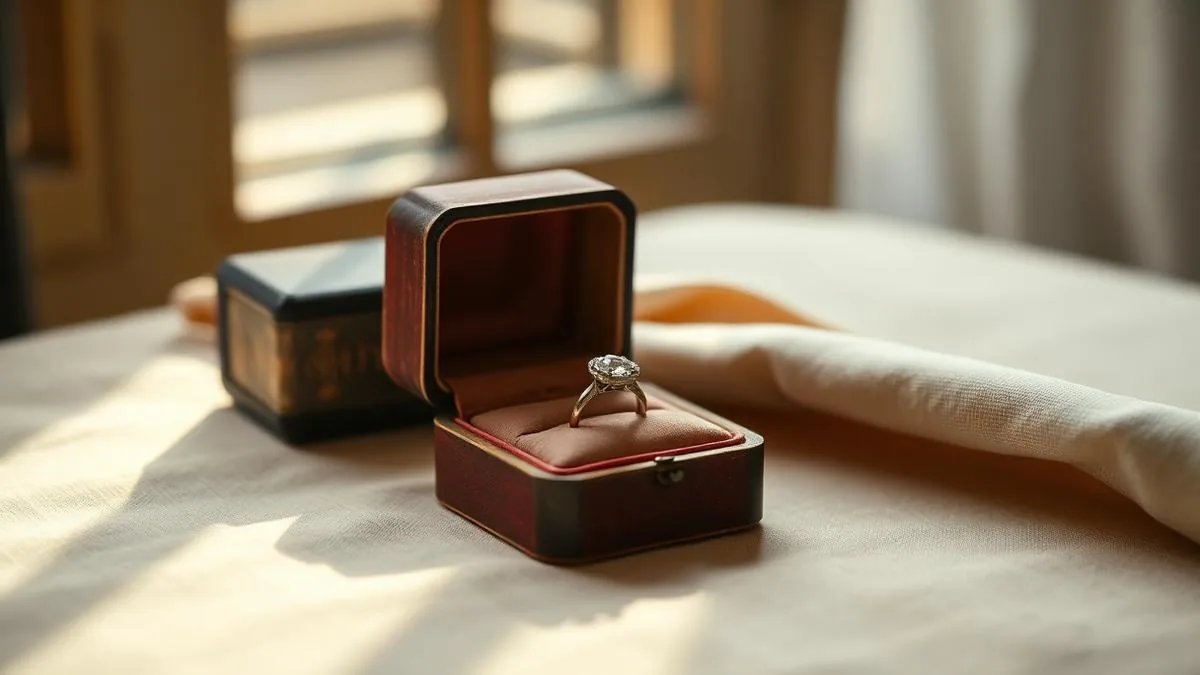
The modern round brilliant has 57 or 58 facets in proportions worked out to maximize light return, and became standard from the mid twentieth century. It is measurably brighter than antique cuts under direct light. What it does not have is the hand-cut irregularity and broad flash that make an old cut recognizable across a room.
The modern round brilliant is the diamond shape most people picture when they hear the word diamond. It is the product of decades of cutters and researchers working out, mathematically, how to make a round diamond return the most light back to the eye.
Understanding what defines it, and how it differs from the older cuts that came before, helps you judge both modern jewelry and whether a diamond sitting in an antique setting actually belongs there.
Shop the pieces: Diamond, curated and available now.
What the modern brilliant is
A modern round brilliant is a round diamond with a full brilliant facet arrangement, generally 57 or 58 facets including the table, cut to proportions calculated to maximize brightness, fire and scintillation under typical viewing conditions. Its table is comparatively wide, its crown comparatively shallow, and its culet is minimized or eliminated entirely on well-cut examples.
Unlike the antique cuts that preceded it, the modern brilliant is defined by proportion rather than by era or region: it is cut consistently to broadly similar standards wherever it is produced, and grading systems specifically measure how closely a given stone matches those proportions.
When it appeared
The modern round brilliant developed out of early twentieth century theoretical work on diamond proportions and light return, building on the transitional cuts of the 1930s and 40s, and became the broadly standardized diamond cut from around the middle of the twentieth century onward.
In jewelry, it is the cut you will most often meet in mid-century pieces from roughly the 1950s forward, and it remains the standard round diamond cut in new jewelry today.
How to recognize one
The table is noticeably wide relative to the stone's diameter, and the crown sits comparatively low and flat, giving the whole stone a shallower profile than an old European, old mine or even a transitional cut of the same width.
Looking straight down through the table, a well-cut modern brilliant shows little or no visible culet: instead of a small window at the center, you typically see a dark cross-shaped or bow-tie pattern created by the facet arrangement, or a bright, evenly lit center depending on the stone's proportions. Under a loupe, facet junctions are crisp, even and mathematically regular, since these stones are cut with precision equipment to consistent standards.
- Round outline with a wide table relative to diameter
- Shallow, low crown compared with any antique cut
- Minimal or no visible culet
- Crisp, even, mathematically regular facet junctions
How it behaves in light
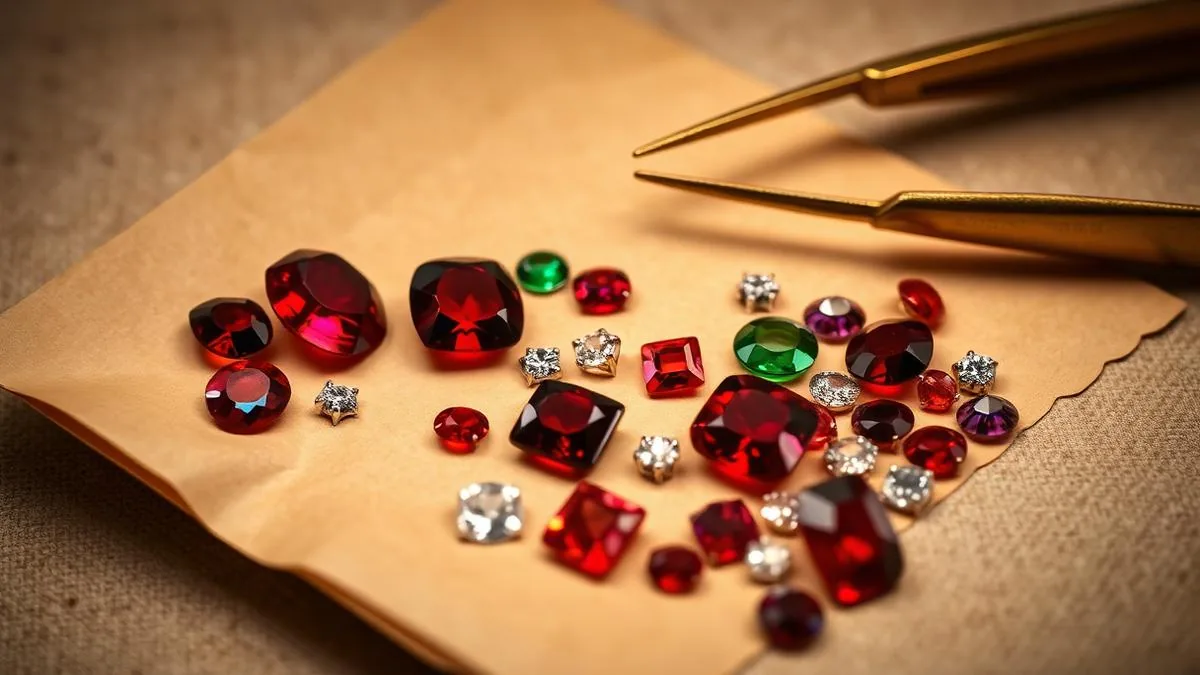
The modern brilliant is engineered for bright, even, typically artificial light. Its light return reads as a fine, dense sparkle, sometimes called scintillation, made up of many small, rapid flashes as the stone or the viewer moves, along with strong overall brightness and, in well-cut stones, noticeable flashes of spectral color known as fire.
This is a genuinely different visual effect from the broader, warmer, more colored flashes of an old European or old mine cut. Neither is objectively superior; the modern brilliant is simply optimized for a different, brighter, more directional kind of light than antique cuts were.
What drives value
Modern brilliants are the cut that current grading systems, including cut grade itself, were built around, so color, clarity, carat weight and cut grade all apply directly and precisely, with a well-established basis for comparing one stone against another.
A well-cut modern brilliant with strong proportions, good symmetry and good polish will typically show noticeably more brightness and fire than a poorly cut stone of identical color and clarity, which is why cut grade carries real weight in how these stones are valued, distinct from the size and clarity of the stone itself.
Grading and certification realities
Modern brilliants are the diamond category best served by laboratory grading. Loose stones are commonly submitted for a full report covering carat weight, color, clarity, cut grade, symmetry, polish and fluorescence, measured under controlled, standardized conditions.
A modern brilliant set in later vintage or new jewelry is more likely to carry a certificate than an antique cut, both because removal for grading is generally lower risk in a simpler, sturdier modern setting and because buyers of modern diamonds have come to expect that level of documentation.
Buying and care notes
If you are looking at a modern brilliant, cut grade is worth weighing alongside color and clarity, since a well-cut stone of moderate color and clarity can outperform a poorly cut stone with better numbers on paper.
Modern brilliants and the settings typically used with them tend to be more robust than antique work, but the same basic care applies: routine gentle cleaning, periodic professional checks of the setting, and caution with ultrasonic cleaners if the stone has any included fractures near the surface.
Frequently asked questions
- What is a modern brilliant cut diamond?
- A round diamond cut to a full brilliant facet arrangement, generally 57 or 58 facets, with proportions calculated to maximize light return: a wide table, a shallow crown and little or no visible culet.
- When did the modern round brilliant become standard?
- It grew out of early twentieth century research and the transitional cuts of the 1930s and 40s, becoming broadly standardized from around the middle of the twentieth century onward, and it remains the standard round diamond cut today.
- Does a modern round brilliant in an antique ring mean the diamond was replaced?
- Often, yes. A wide-table, shallow-crown modern brilliant sitting in a mount built for a small-table, high-crown antique stone is one of the clearest signs the original diamond has been swapped for a later one.
- Is cut grade more important than color or clarity for a modern brilliant?
- It is not more important as such, but it matters more directly for a modern brilliant than for any antique cut, since grading systems and cut grade itself were built specifically around this cut's proportions.
Written by our estate jewelry team and reviewed by our in-house gemologist, a GIA Graduate Gemologist (GG). We have been buying and selling European antique jewelry since 1973.
From the reading to the piece
Shop diamond jewelry
Each piece is one of a kind and sells once, so this collection changes constantly.
View diamondRelated guides
Keep reading
gemstones
Transitional cut diamonds explained
Not quite antique, not quite modern, a diamond caught between two eras of cutting.
gemstones
Antique diamond cuts compared
Rose cut, old mine, old European, transitional and modern brilliant, side by side.
gemstones
Old European cut diamonds explained
Rounder than an old mine cut, still cut for candlelight and gaslight, not a spotlight.