Gemstones & cuts
Buying sapphire in antique jewelry
Corundum in every color except red, and hard enough to wear every day.
Written by our in-house jewelry team · Updated August 1, 2026 · 5 min read
In short
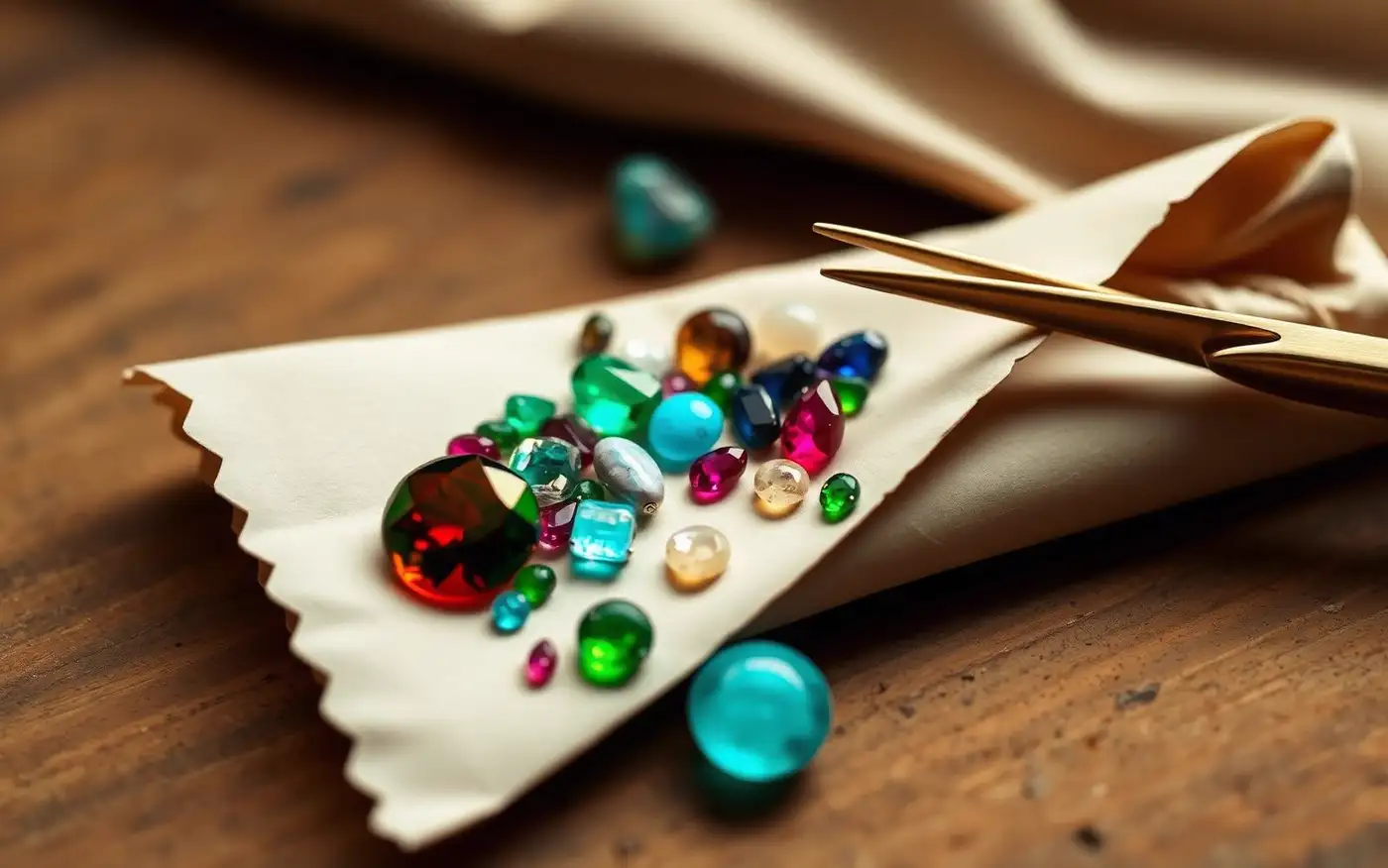
Sapphire is gem corundum in any color other than red, which is called ruby. At 9 on the Mohs scale it is second only to diamond among common gems, which is why so many antique sapphire rings survive in wearable condition. Heat treatment is extremely common and accepted; untreated stones with documentation carry a premium.
Sapphire is the practical choice among colored stones. It is hard, it is tough, it takes a good polish and it holds up to daily wear in a way that emerald and opal simply cannot.
It is also the stone with the widest quality range you will meet, from pale grey-blue commercial material to the deep velvety blues that command more per carat than many diamonds.
Shop the pieces: Sapphire, curated and available now.
The short version
Corundum in every color but red, hard enough that most antique sapphire rings reach us still wearable.
Species and group: Corundum (aluminum oxide). Mohs hardness: 9. Typical colors: Blue in every tone, plus pink, yellow, green, orange, purple, colorless and the rare pinkish-orange padparadscha.
- Hardness 9, excellent toughness, no cleavage
- Trichroic to dichroic: color can shift subtly as you turn the stone
- Silk, the fine needle inclusions of rutile, is common and in the right density produces a star
- Historic sources include Kashmir, Burma and Ceylon, now Sri Lanka; origin should never be claimed without a laboratory report
Heat, and why it is not a problem
Nearly all sapphire on the market has met a furnace at some point, and that has been true for far longer than most buyers assume. It is accepted, it is stable, and the only thing that matters is whether the seller says so.
Our gemologist examines every stone before a piece is listed, and the description states what is known and what cannot be determined without a laboratory report.
- Heat treatment to improve color and clarity: very common, stable and accepted
- Diffusion treatment, which adds color only near the surface: must be disclosed and is worth far less
- Fracture filling with glass in low-grade material: uncommon in antique pieces but does appear
- Synthetic flame-fusion sapphire has been made since the early 1900s and appears legitimately in Retro and mid-century jewelry
Looking at a sapphire honestly
Colored stones are judged face-up, in the mount, in daylight. Here is what we look at before anything goes near a refractometer.
- Curved growth lines or gas bubbles under magnification suggest flame-fusion synthetic; angular color zoning and crystal inclusions suggest natural
- Real sapphire feels cool and scratches glass easily; blue spinel, iolite and glass are all softer
- Color zoning in straight, angular bands is typical of natural corundum
- A stone that looks identically saturated from every angle is worth a second look
Where sapphire turns up, era by era
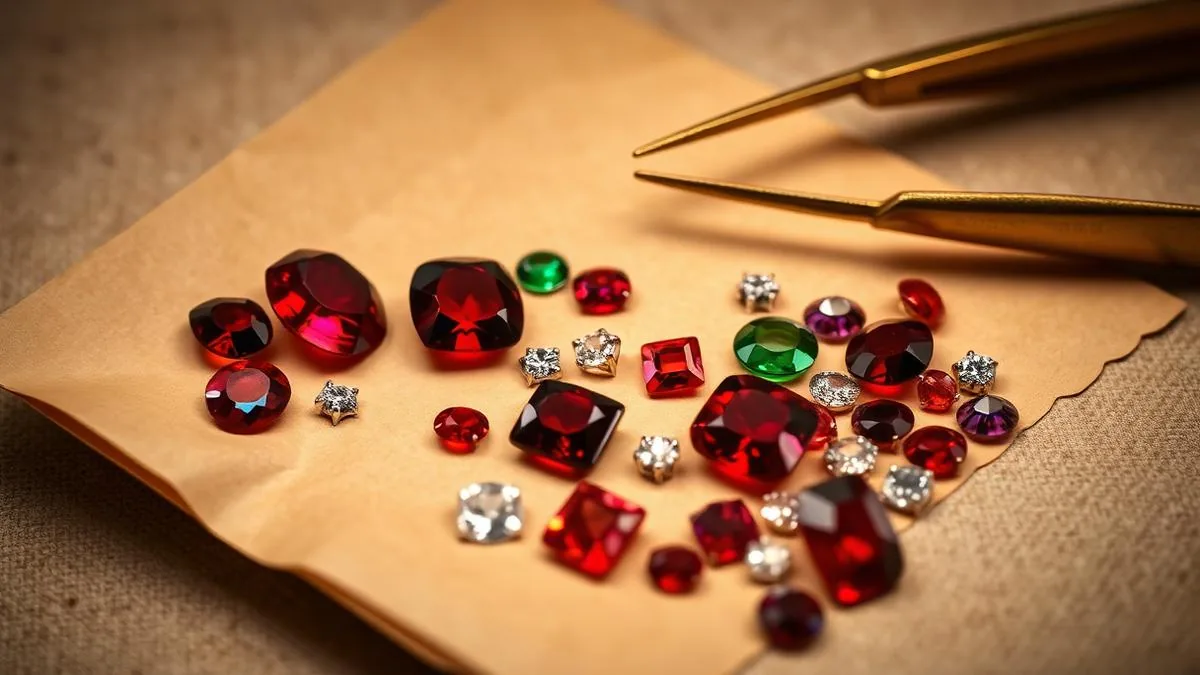
Sapphire runs through every era. Georgian and Victorian jewelers used it in clusters and half-hoops, Edwardian work paired it with platinum and diamonds, and Art Deco jewelers cut it into calibre strips to line geometric borders.
Because of its hardness, an antique sapphire is often the original stone in the original setting, which makes provenance easier to trust than in softer gems that have been replaced over the years.
Frequently asked questions
- Are all sapphires blue?
- No. Corundum in any color other than red is sapphire, so pink, yellow, green and colorless sapphires are all genuine sapphires.
- Is a heated sapphire a real sapphire?
- Yes. Heat is a stable, centuries-old and universally accepted treatment. The description should say when heating is evident or likely.
- Can I wear a vintage sapphire ring daily?
- Usually yes, provided the setting is sound. The stone itself is more than hard enough; the claws are what need annual checking.
Written by our estate jewelry team and reviewed by our in-house gemologist, a GIA Graduate Gemologist (GG). We have been buying and selling European antique jewelry since 1973.
From the reading to the piece
Shop sapphire jewelry
Each piece is one of a kind and sells once, so this collection changes constantly.
View sapphireRelated guides
Keep reading
gemstones
Ruby: natural, synthetic and everything in between
Red corundum, and the reason synthetic stones exist at all.
gemstones
Diamonds in vintage jewelry
Rose cuts, old mines, transitionals, and how to judge a stone with no certificate.
gemstones
Gemstone treatments explained
Heat, oil, fracture filling, diffusion and dye: which are routine, which are serious, and how each is spotted.