Gemstones & cuts
Ruby: natural, synthetic and everything in between
Red corundum, and the reason synthetic stones exist at all.
Written by our in-house jewelry team · Updated August 1, 2026 · 5 min read
In short
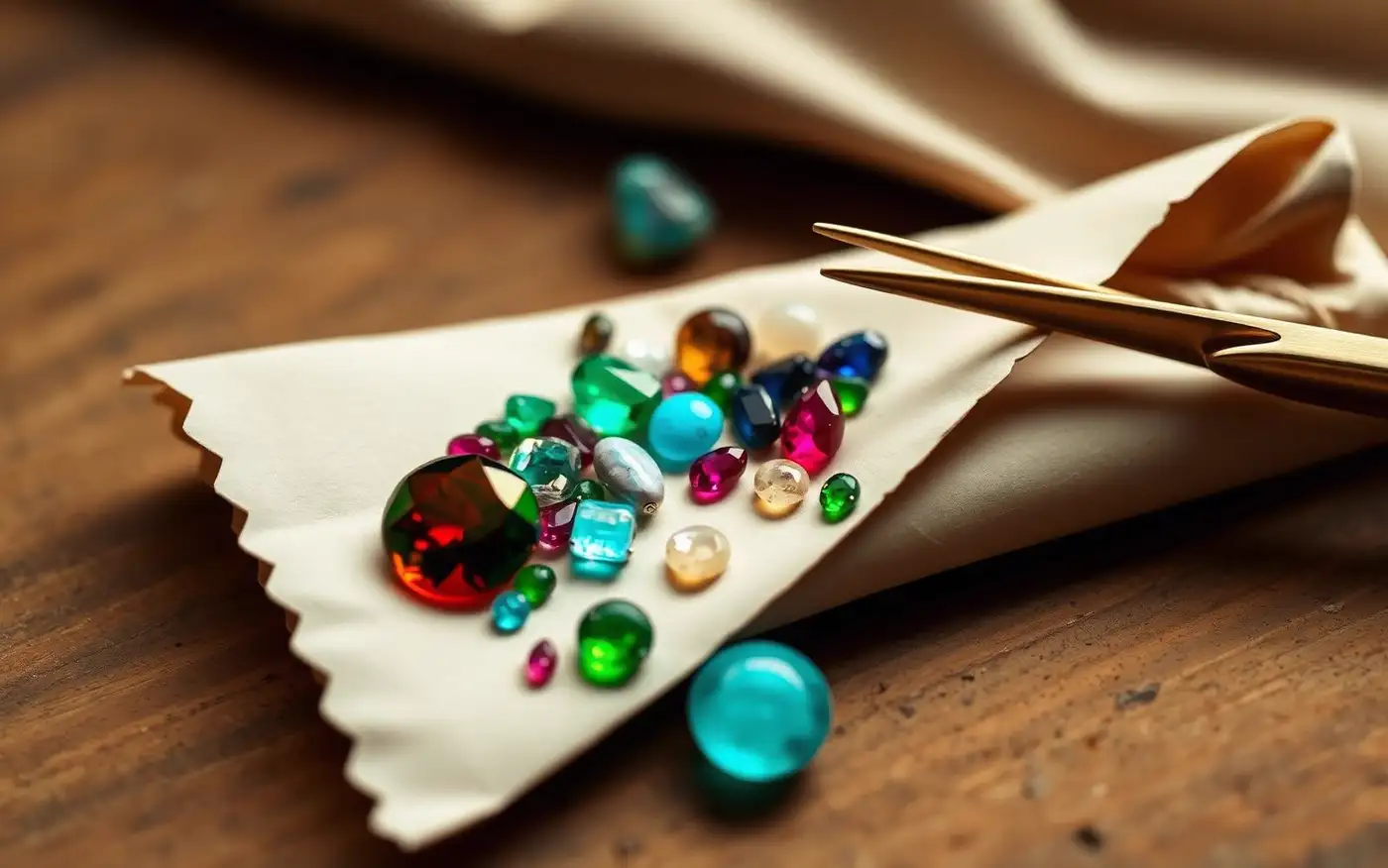
Ruby is red corundum, the same mineral as sapphire, at 9 on the Mohs scale. Fine natural ruby is rarer than comparable diamond. Flame-fusion synthetic ruby has been produced since around 1900 and was used openly in Retro and mid-century jewelry, so identifying natural from synthetic is the single most important step with any red stone in a vintage piece.
Ruby divides opinion less than any other stone: everyone wants a strong, clean red. The difficulty is that the same red can come from a rare natural crystal or from a laboratory furnace built in 1902.
Shop the pieces: Ruby, curated and available now.
Ruby in one paragraph
The red end of corundum, and the stone most likely to be synthetic in a piece that is otherwise completely genuine.
Species and group: Corundum (aluminum oxide). Mohs hardness: 9. Typical colors: Purplish red through pure red to orangey red; the trade prizes a slightly purplish pure red.
- Color comes from chromium, which also causes strong red fluorescence in many stones
- Hardness 9 with excellent durability, suitable for daily wear
- Silk inclusions can produce a six-rayed star in cabochon-cut material
- Large clean natural rubies over a few carats are exceptionally rare
Heat, glass and lab-grown material
Ruby carries the widest treatment range of any stone we handle, from ordinary heat at one end to lead-glass filling at the other, and the price gap between those two is enormous.
Our gemologist examines every stone before a piece is listed, and the description states what is known and what cannot be determined without a laboratory report.
- Heat treatment: extremely common and accepted
- Lead-glass filling of heavily fractured material: much less valuable and requires special care; always disclosed
- Flame-fusion synthetics: period-correct in Retro pieces, identified and stated in our descriptions
- Doublets combining a garnet top with glass: a Victorian-era imitation still found today
Reading a red stone
Verneuil synthetics have been around since roughly 1900, which means a Victorian mount is no guarantee of a natural stone. These are the tells.
- Curved striae and round gas bubbles indicate flame-fusion synthetic; natural stones show angular zoning, silk, or crystal inclusions
- Garnet-topped doublets show a red rim and a joining plane visible from the side
- Strong red glow under longwave ultraviolet light is common in Burmese material but is not proof on its own
- A large, flawless, evenly colored red stone in an inexpensive vintage mount is almost always synthetic
Ruby in period settings
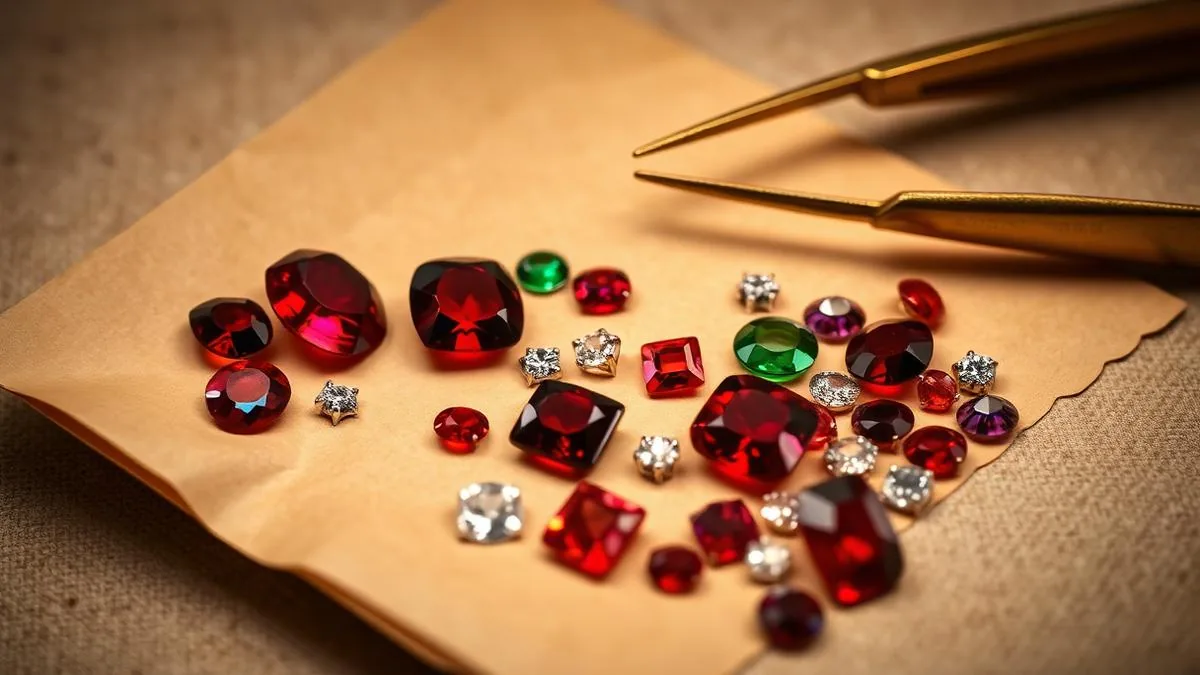
Ruby anchors Victorian half-hoops, Edwardian cluster rings and Art Deco calibre borders. In 1940s Retro jewelry, rows of small synthetic rubies were used deliberately for even color, alongside genuine gold and genuine craftsmanship.
We test every red stone before listing and say plainly whether it is natural, synthetic or a doublet. A synthetic accent in a period piece is not a problem; an undisclosed one is.
Frequently asked questions
- How do I know if a vintage ruby is real?
- A gemologist checks inclusions, refractive index and fluorescence. Curved growth lines and gas bubbles point to a synthetic; angular inclusions point to natural.
- Are synthetic rubies worthless?
- They have little intrinsic value, but a period piece using them can still be valuable for its gold, design and maker. The disclosure is what matters.
- What is a glass-filled ruby?
- Heavily fractured ruby stabilized with lead glass. It is much cheaper, it can be damaged by heat and household acids, and it should always be disclosed.
Written by our estate jewelry team and reviewed by our in-house gemologist, a GIA Graduate Gemologist (GG). We have been buying and selling European antique jewelry since 1973.
From the reading to the piece
Shop ruby jewelry
Each piece is one of a kind and sells once, so this collection changes constantly.
View rubyRelated guides
Keep reading
gemstones
Buying sapphire in antique jewelry
Corundum in every color except red, and hard enough to wear every day.
eras
Retro jewelry guide, 1935 to 1950
Rose gold, sculpted volume and big colored stones, born out of wartime scarcity.
gemstones
Gemstone treatments explained
Heat, oil, fracture filling, diffusion and dye: which are routine, which are serious, and how each is spotted.