Gemstones & cuts
Topaz, and the citrine confusion
A hard, affordable stone that spans a colorless imperial glow to London blue.
Written by our in-house jewelry team · Updated August 7, 2026 · 7 min read
In short
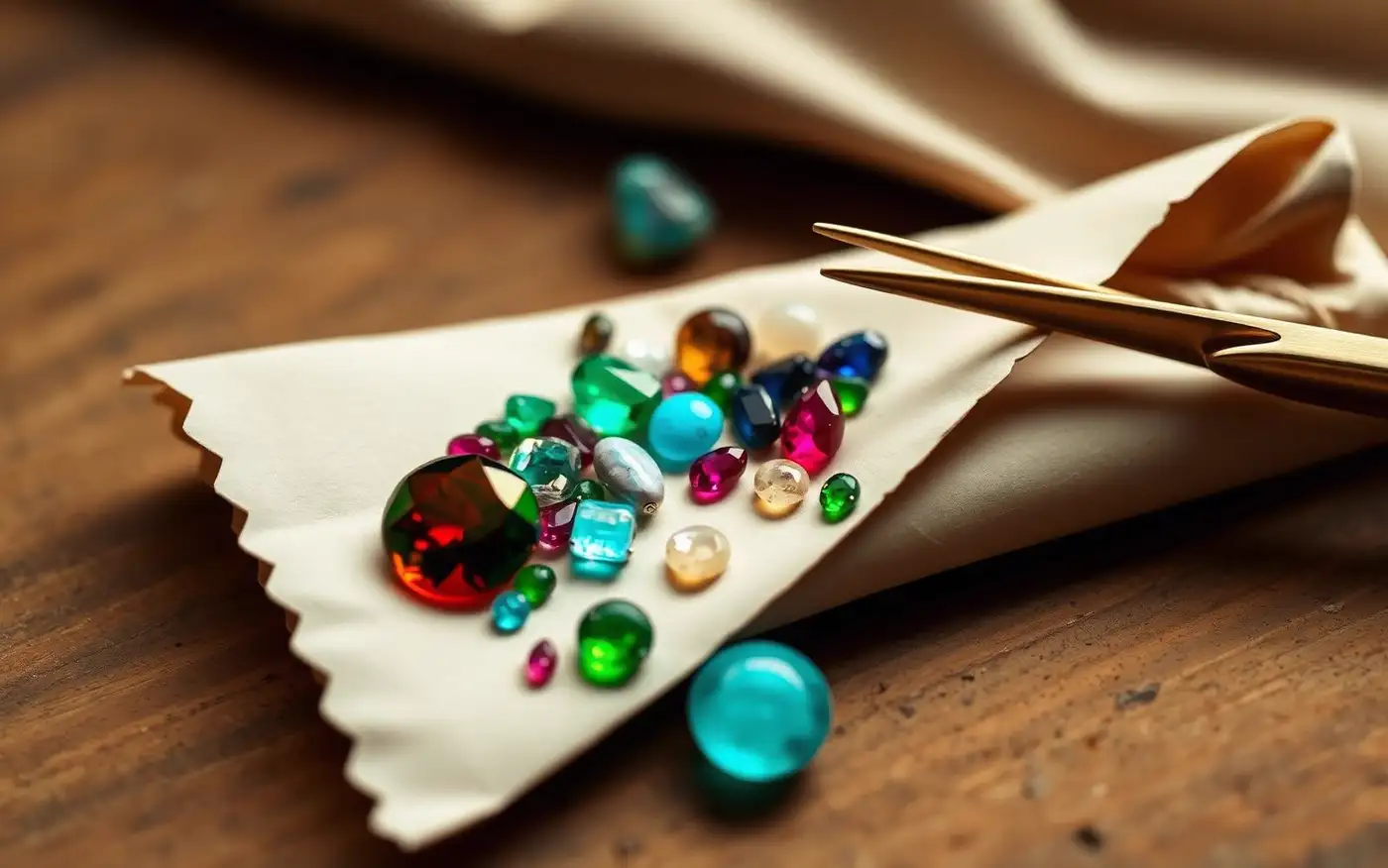
Topaz is an aluminum silicate species, not a variety of quartz, at 8 on the Mohs scale, which makes it a hard and durable stone despite one important weakness: a single perfect cleavage plane that can split the stone if it is struck at the wrong angle. Natural color ranges from colorless through sherry, pink and the rare natural imperial orange-pink to pale natural blue. Almost all commercial blue topaz on the market, vintage and modern, has been irradiated and heat treated to reach its color, which is a stable and accepted treatment.
Topaz gets confused with citrine constantly, partly because Victorian jewelers themselves used the words loosely and partly because the two stones can look similar in warm honey tones. They are unrelated minerals with different hardness, different structure and a different price for the same look.
We handle topaz often in antique settings because it was a genuinely popular Georgian and Victorian stone in its own right, long before irradiated blue topaz became a modern staple.
Shop the pieces: Everyday vintage fine jewelry, curated and available now.
What topaz actually is
Topaz is a fluorine-aluminum silicate that crystallizes independently of quartz, the mineral behind citrine and amethyst. Pure topaz is colorless, and trace elements and natural irradiation in the earth account for the small range of natural colors: pale blue, sherry brown, pink and the prized natural orange-pink to reddish material sometimes called imperial topaz.
At 8 on the Mohs scale it sits comfortably above quartz and most other colored stones, which is why old topaz survives well in daily-wear settings. The one caveat is a single direction of perfect cleavage, meaning the stone can split cleanly along one plane if it takes a sharp knock, in a way a tougher stone like sapphire would not.
Color range and what drives it
Natural, untreated topaz is most often colorless or a pale sherry to pink tone. Natural blue topaz exists but is rare and usually a light, washed-out shade rather than the saturated blues sold commercially today.
The strong sky, Swiss and London blue tones seen in modern and much recent vintage jewelry are produced by irradiating colorless topaz and then heat treating it, a process that has been standard trade practice for decades and produces a permanent, stable color. Natural pink and true imperial topaz command a real premium over treated blue material because they occur without irradiation.
- Colorless: the natural default, sometimes used to imitate diamond in older jewelry
- Sherry and pink: natural colors, seen in Georgian and Victorian pieces
- Imperial topaz: a natural orange to pinkish-orange, rare and valuable
- Blue, in all its depths of tone: almost always irradiated and heat treated
Clarity, treatments and how they are disclosed
Topaz typically grows with good clarity, and eye-clean stones are common and expected rather than exceptional, which is different from the inclusion-tolerant grading used for emerald or ruby. A cloudy or heavily included topaz is worth noticing rather than accepting.
Beyond irradiation and heat, some topaz is coated with a thin metallic film to produce iridescent colors such as mystic topaz. Coatings are a modern development, they can wear or scratch off at the girdle over years of contact, and they should always be stated plainly rather than left for the buyer to discover.
Durability and care
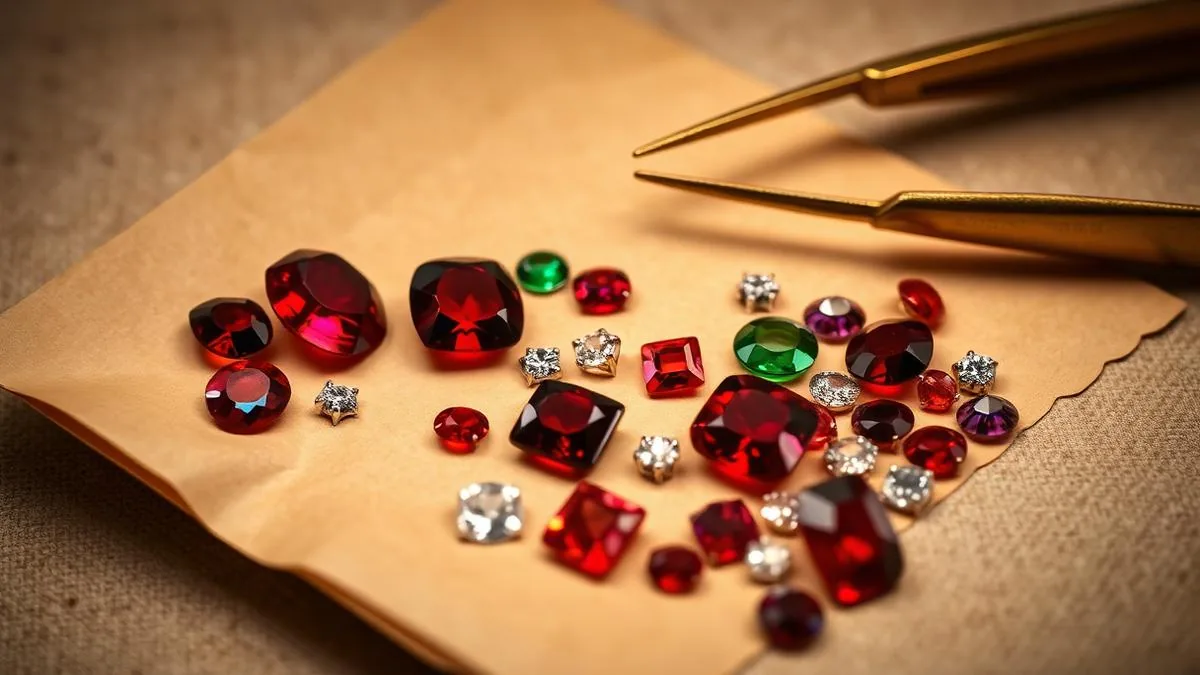
Topaz is hard enough for daily wear, but its perfect cleavage means a hard, direct knock against a table edge or hard surface can chip or split the stone in a way that would not trouble a sapphire of the same hardness. Set it, and handle it, with that in mind, particularly in a ring worn at the office or in the garden.
We do not recommend ultrasonic or steam cleaning for antique topaz jewelry, since sudden temperature change and vibration are exactly the stress that a cleavage plane responds to badly. Warm water, mild soap and a soft brush are enough for routine cleaning.
Topaz through the eras
Georgian and Victorian jewelers used natural sherry, pink and colorless topaz in closed-back, foiled settings, often alongside seed pearls or as the centerpiece of a simple gold ring, valuing it as an affordable alternative to diamond or a warm complement to yellow gold.
Irradiated blue topaz became widely available from the later twentieth century onward, so a strongly saturated blue topaz in a genuinely antique mount is worth a second look. It may be a later replacement stone, or the piece itself may be more recent than the style suggests.
Imitations and look-alikes
Citrine, a form of quartz, is the classic look-alike for sherry and honey-colored topaz, and the two were often called by the same trade name in the past. Citrine is softer, at 7 on the Mohs scale, and generally less expensive, so distinguishing the two matters for value even though a jeweler's tools rather than the naked eye are what settle the question reliably.
Pale blue topaz can also be confused with blue quartz or glass at a glance. Weight, the way the stone catches light, and a gemologist's refractive index test are what separate them with confidence.
Frequently asked questions
- Is blue topaz a natural color?
- Rarely. Natural blue topaz exists but is pale and uncommon. Nearly all commercial blue topaz, in vintage and modern jewelry alike, is irradiated and heat treated, which is a stable and widely accepted treatment.
- What is imperial topaz?
- A natural, untreated orange to pinkish-orange topaz, one of the rarer and more valuable natural colors the stone occurs in, distinct from the irradiated blue material sold under the topaz name.
- Is topaz the same as citrine?
- No. They are different minerals, topaz being an aluminum silicate and citrine a form of quartz. They can look similar in sherry and honey tones, but topaz is harder, at 8 versus 7 on the Mohs scale.
- Can topaz be worn every day?
- Generally yes, since it is hard enough to resist scratching. The one thing to protect against is a hard direct knock, because topaz has a single perfect cleavage plane that can split under sharp impact.
- Does mystic or rainbow topaz mean the stone is fake?
- No, the underlying stone is genuine topaz, but the iridescent surface color comes from a thin coating rather than the stone itself, and that coating can wear at the girdle over years. It should always be disclosed.
Written by our estate jewelry team and reviewed by our in-house gemologist, a GIA Graduate Gemologist (GG). We have been buying and selling European antique jewelry since 1973.
From the reading to the piece
Shop vintage gemstone jewelry

Related guides
Keep reading
gemstones
Citrine, and what heat does to amethyst
Sunny, affordable quartz that Retro jewelers turned into cocktail-ring centerpieces.
gemstones
Gemstone treatments explained
Heat, oil, fracture filling, diffusion and dye: which are routine, which are serious, and how each is spotted.
gemstones
Colored stones: sapphire, emerald, ruby and garnet
Which colored stones turn up in which era, and what treatment means for value.