History
A history of the engagement ring
From Roman betrothal rings to the diamond solitaire, and how much of the story is advertising.
Written by our in-house jewelry team · Updated August 7, 2026 · 8 min read
In short
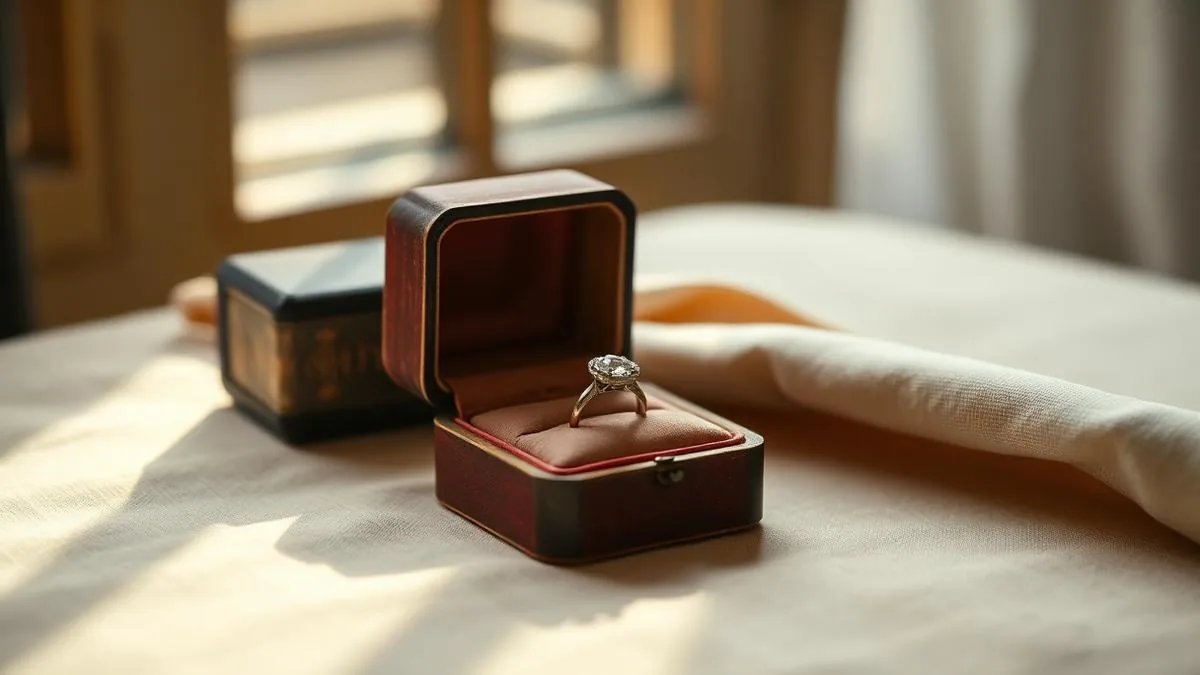
Betrothal rings go back to Roman practice, and the ring as a public sign of a promise runs continuously through medieval and Renaissance Europe in forms such as fede, gimmel and posy rings. Diamonds enter the story with the archduke Maximilian of Austria's ring for Mary of Burgundy in 1477, but they remained aristocratic. The diamond solitaire only became the mass expectation in the twentieth century, driven by new supply from the 1870s onward and by twentieth century advertising.
The engagement ring feels timeless, which is exactly what makes its history worth knowing. Some of it is genuinely ancient. Some of it was written by a marketing department within living memory.
Knowing which is which changes how you shop, because it frees you from the idea that there is one correct kind of ring.
Shop the pieces: Vintage engagement rings, curated and available now.
Rome and the ring as a contract
Roman sources describe betrothal rings as part of the legal and social apparatus of marriage: a ring given as a pledge, worn publicly. Iron and gold rings both appear in the record, and the ring functions as a sign of an agreement between families rather than as a romantic gesture in the modern sense.
The idea that survives from this period is not the diamond. It is the ring itself as visible proof of a promise.
Fede, gimmel and posy rings
Through the medieval and Renaissance centuries the betrothal ring takes recognizable forms. Fede rings show two clasped hands. Gimmel rings interlock two or three hoops that separate and rejoin. Posy rings carry a short verse or motto, usually engraved inside the band where only the wearer reads it.
These are the ancestors of every sentimental engagement ring since, and they are still the answer for anyone who wants a ring that says something specific.
1477 and the arrival of the diamond
The ring given by Maximilian of Austria to Mary of Burgundy in 1477 is the earliest well-known diamond betrothal ring and is usually cited as the beginning of the diamond tradition. It is a genuine milestone, but it describes court practice, not common practice.
For the next four centuries diamonds in engagement rings stayed rare, because diamonds themselves were rare. Most European betrothal rings used the stones people could get: garnets, turquoise, pearls, rock crystal and colored glass over foil.
The nineteenth century: sentiment, then supply
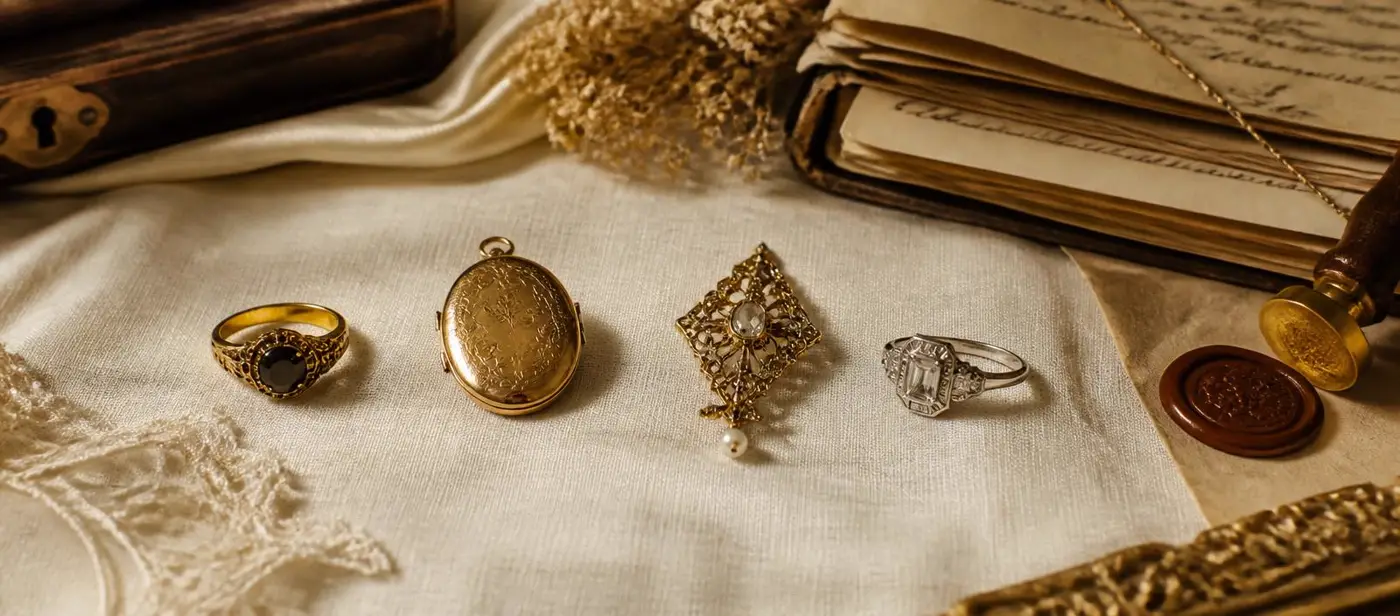
The Victorian engagement ring is a sentimental object. Snakes for eternity, hearts, acrostic stones spelling a word, half-hoops of turquoise and pearl, gypsy-set gold. Queen Victoria's own emerald-set serpent ring from 1839 is a fair emblem of the whole period.
Then supply changed. Large-scale diamond mining in South Africa from the late 1860s and 1870s onward moved diamonds from scarce to available, and jewelers responded with the ring type that shows a single stone to best advantage: the solitaire with a raised claw head.
The twentieth century: the solitaire as expectation
Platinum from the Edwardian years made fine, light settings possible. Art Deco brought geometry and calibre-cut colored stones. After the Second World War, sustained diamond advertising, most famously the "A Diamond Is Forever" campaign launched in 1947, tied the diamond solitaire to the proposal itself in the United States.
It worked completely. It is also, in the long history above, very recent, and it explains why so many Americans are surprised by how varied genuinely antique engagement rings are.
What this means if you are buying now
There is no historically correct engagement ring. Colored stones, clusters, toi et moi, gypsy-set bands and signets have all served as betrothal rings for far longer than the diamond solitaire has.
That is the argument for buying vintage. You get a ring with an actual history, made one at a time, usually for less than a comparable new stone in a new setting.
Frequently asked questions
- When did diamond engagement rings become standard?
- Only in the twentieth century, and in the United States particularly after the late 1940s. Diamonds were used in betrothal rings much earlier, but as an aristocratic exception rather than the norm.
- Why is the engagement ring worn on the fourth finger?
- The custom is usually explained by the old belief in a vein running from that finger to the heart. That explanation is a tradition rather than an anatomical fact, and the finger used has varied by country and century.
- Is an antique engagement ring a good choice today?
- For many buyers, yes. You get hand cutting and hand setting, a piece that already exists rather than one newly mined and made, and usually more character for the money. The trade-off is that each ring is one of a kind.
Written by our estate jewelry team and reviewed by our in-house gemologist, a GIA Graduate Gemologist (GG). We have been buying and selling European antique jewelry since 1973.
From the reading to the piece
Shop vintage engagement rings
Each piece is one of a kind and sells once, so this collection changes constantly.
View vintage engagement ringsRelated guides
Keep reading
buying
The vintage engagement ring buying guide
Everything we would want a friend to know before spending several thousand dollars on a ring made a century ago.
symbolism
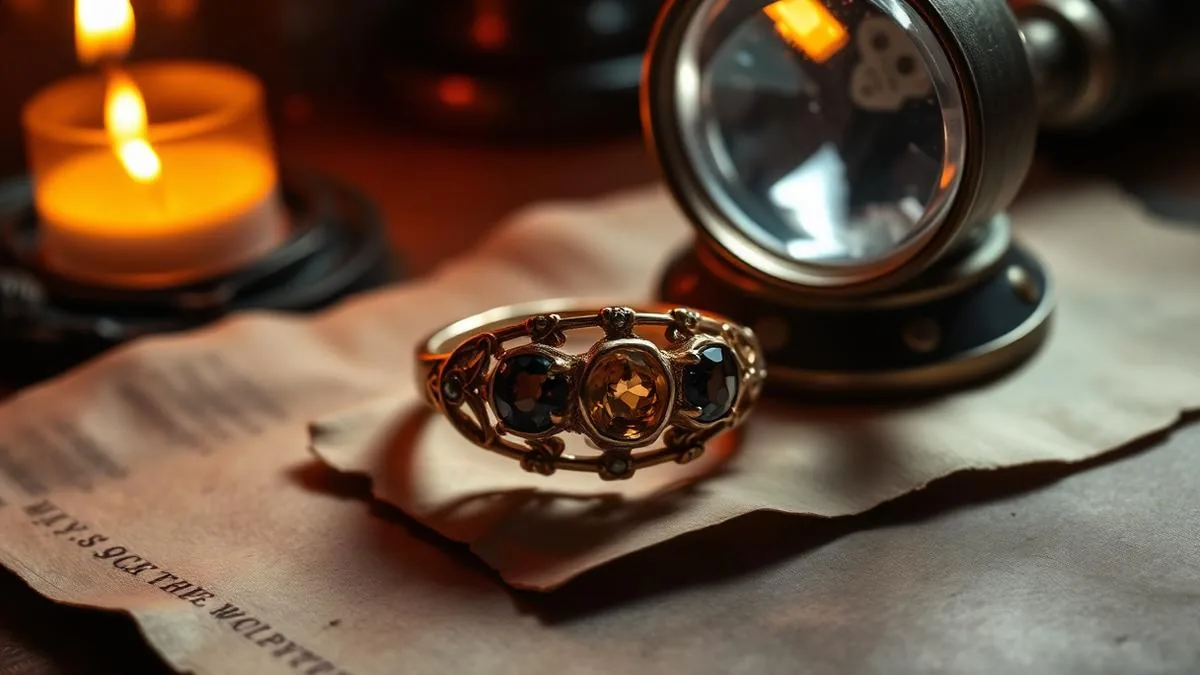
Hands in jewelry: fede, claddagh and mizpah
Two clasped hands, one of the oldest promises in European jewelry, and its Irish descendant.
symbolism
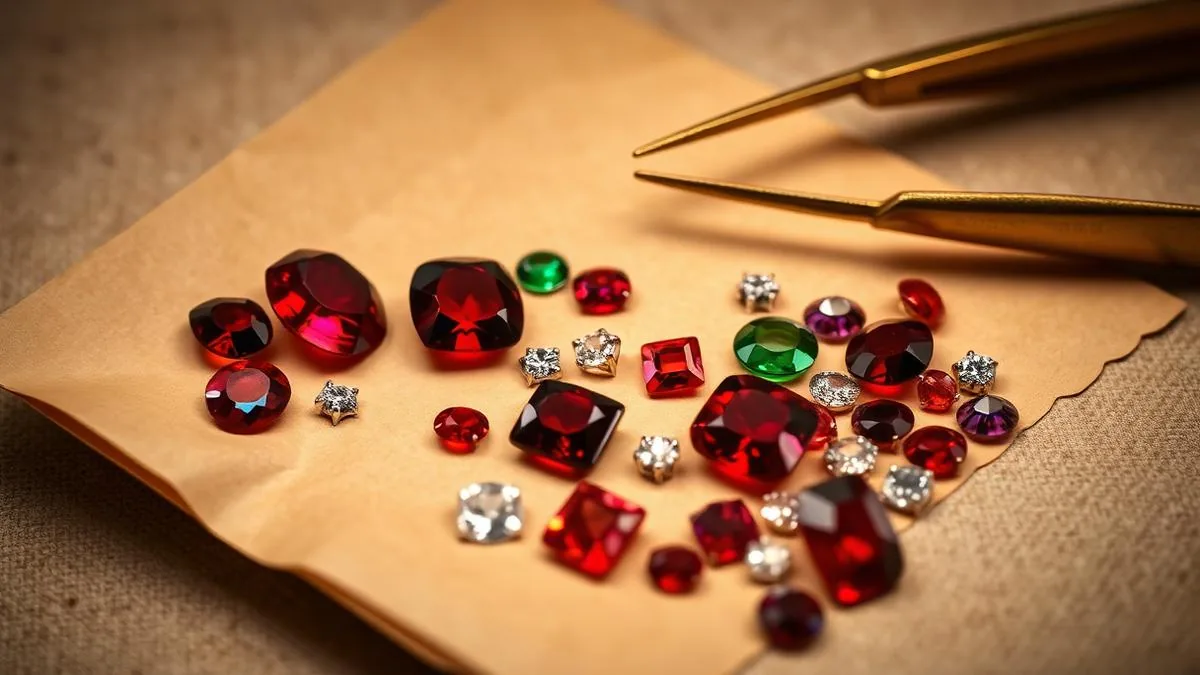
Acrostic and regard jewelry explained
Rings that spell a word in gemstones: REGARD, DEAREST, and the private ones nobody else could read.
compare
Vintage vs new vs lab-grown engagement rings
Three genuinely different propositions. What each one is good at, and who should buy which.