Symbolism & meaning
Acrostic and regard jewelry explained
Rings that spell a word in gemstones: REGARD, DEAREST, and the private ones nobody else could read.
Written by our in-house jewelry team · Updated August 7, 2026 · 6 min read
In short
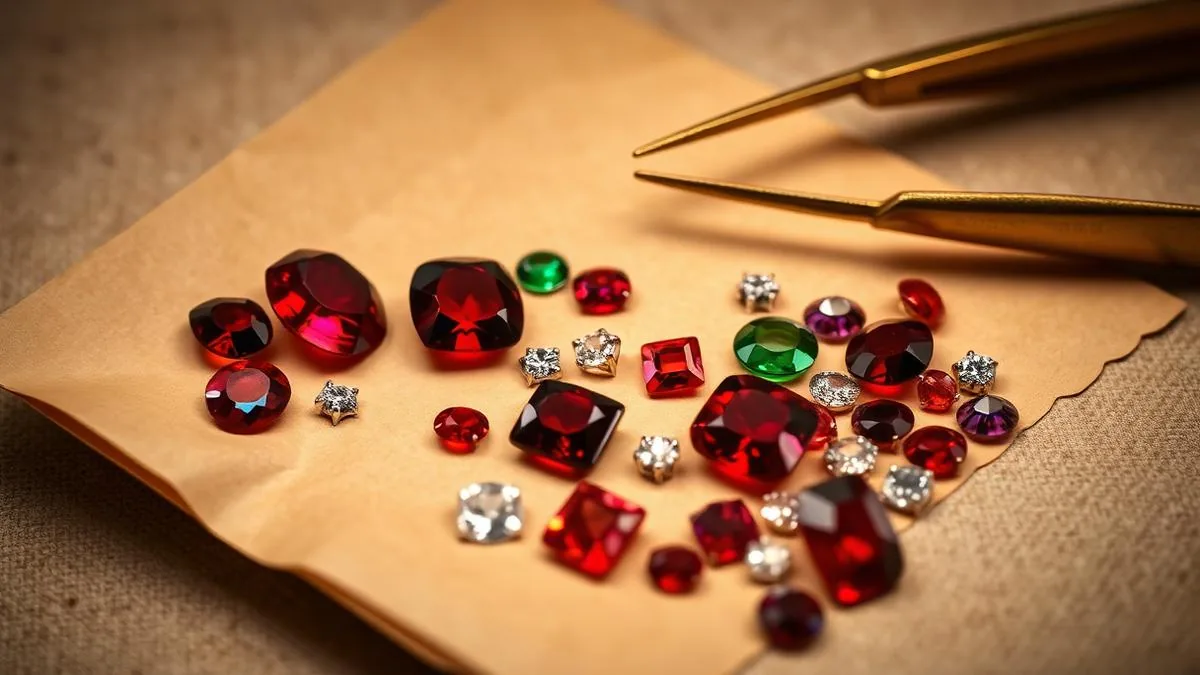
Acrostic jewelry spells a word using the first letter of each gemstone in a row. The best known are REGARD, set with ruby, emerald, garnet, amethyst, ruby and diamond, and DEAREST, set with diamond, emerald, amethyst, ruby, emerald, sapphire and topaz. The fashion belongs mainly to the early nineteenth century, is associated with French and English jewelers of the Georgian and early Victorian periods, and allowed a giver to send a private message in public.
Acrostic jewelry is the closest thing the nineteenth century had to an encrypted message, and it is one of the most charming things we handle.
It is also one of the easiest categories to get wrong as a buyer, because a single replaced stone breaks the word.
Shop the pieces: Georgian, curated and available now.
How the code works
Each stone contributes its initial letter, read in order from one end of the ring or brooch to the other. Because the code depends on the name of the stone, it works differently in different languages, and French pieces sometimes spell using French stone names.
Older stone names also matter: chrysolite was often used for the letter C, and hyacinth or jacinth for H. This is why an acrostic setting should be read by someone who knows period nomenclature.
- REGARD: ruby, emerald, garnet, amethyst, ruby, diamond
- DEAREST: diamond, emerald, amethyst, ruby, emerald, sapphire, topaz
- Also seen: ADORE, AMITIÉ, SOUVENIR and personal names
When and where it was made
The fashion is strongly associated with the early nineteenth century, roughly the Georgian and early Victorian decades, and with French and British jewelers. Sentimental jewelry of that period valued meaning over intrinsic value, so acrostic pieces often use small stones in closed, foiled settings.
Late Victorian and Edwardian revivals exist, and modern acrostic rings are made today. Construction and hallmarks are how you separate them.
What to check before buying
Read the word yourself. A replaced stone, even a good one, breaks the acrostic and takes real value with it, and it is the most common problem in this category.
Then look at the backs. Closed, foiled settings mean the piece must never be soaked in water, because moisture behind a foil dulls the stone permanently. We state clearly whether a piece has closed backs.
Frequently asked questions
- What does a REGARD ring spell?
- Ruby, emerald, garnet, amethyst, ruby, diamond. Read in order, the initials spell REGARD, an expression of affection and esteem.
- Does one replaced stone matter?
- Yes. The whole point of an acrostic piece is the word, so a substituted stone that breaks the spelling affects both meaning and value. We check every stone in an acrostic piece and say what we find.
Written by our estate jewelry team and reviewed by our in-house gemologist, a GIA Graduate Gemologist (GG). We have been buying and selling European antique jewelry since 1973.
From the reading to the piece
Shop Georgian jewelry
Each piece is one of a kind and sells once, so this collection changes constantly.
View georgianRelated guides
Keep reading
symbolism
Mourning and memorial jewelry explained
Jet, hairwork and black enamel: how the Victorians wore their grief, and how to buy it well.
history
A history of the engagement ring
From Roman betrothal rings to the diamond solitaire, and how much of the story is advertising.
symbolism
Heart jewelry: meaning and history
Witch's hearts, crowned hearts and double hearts, and what each one was given to say.
gemstones
Gemstone treatments explained
Heat, oil, fracture filling, diffusion and dye: which are routine, which are serious, and how each is spotted.