Symbolism & meaning
Mourning and memorial jewelry explained
Jet, hairwork and black enamel: how the Victorians wore their grief, and how to buy it well.
Written by our in-house jewelry team · Updated August 7, 2026 · 6 min read
In short
Mourning jewelry was worn to commemorate someone who had died, and it was a formal social convention in Britain and much of Europe through the nineteenth century. Typical materials are jet, black enamel, onyx, vulcanite and human hair worked into patterns behind glass, and pieces are often inscribed with a name, a date and sometimes an age. It overlaps with sentimental keepsake jewelry, which uses the same materials for the living.
Mourning jewelry unsettles some buyers and fascinates others. It helps to know that in the nineteenth century it was not morbid but expected: mourning dress and mourning jewelry had rules, and Queen Victoria's long mourning for Prince Albert after 1861 made those rules highly visible.
It is also, quietly, one of the best documented categories in antique jewelry, because so much of it is dated and inscribed.
Shop the pieces: Victorian, curated and available now.
The materials
Jet is fossilized wood, light, warm and matte-black, and the Whitby jet industry in Yorkshire supplied it in enormous quantity. Its imitators include vulcanite, a hardened rubber that browns with sunlight, black glass, sometimes called French jet, and bog oak.
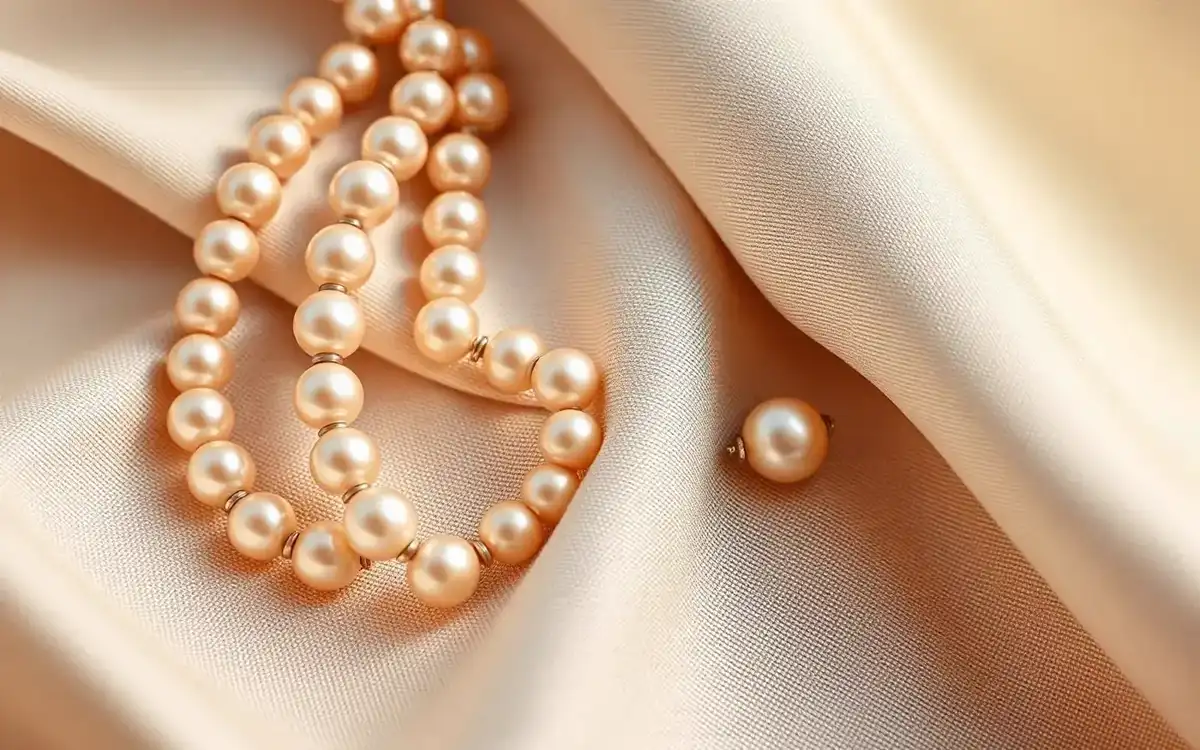
Black enamel over gold is the other classic, used for bands and lockets and often combined with a pearl, which traditionally stood for a tear. Onyx appears in the same role, and white enamel was conventionally used for someone who died unmarried or in childhood.
Hairwork
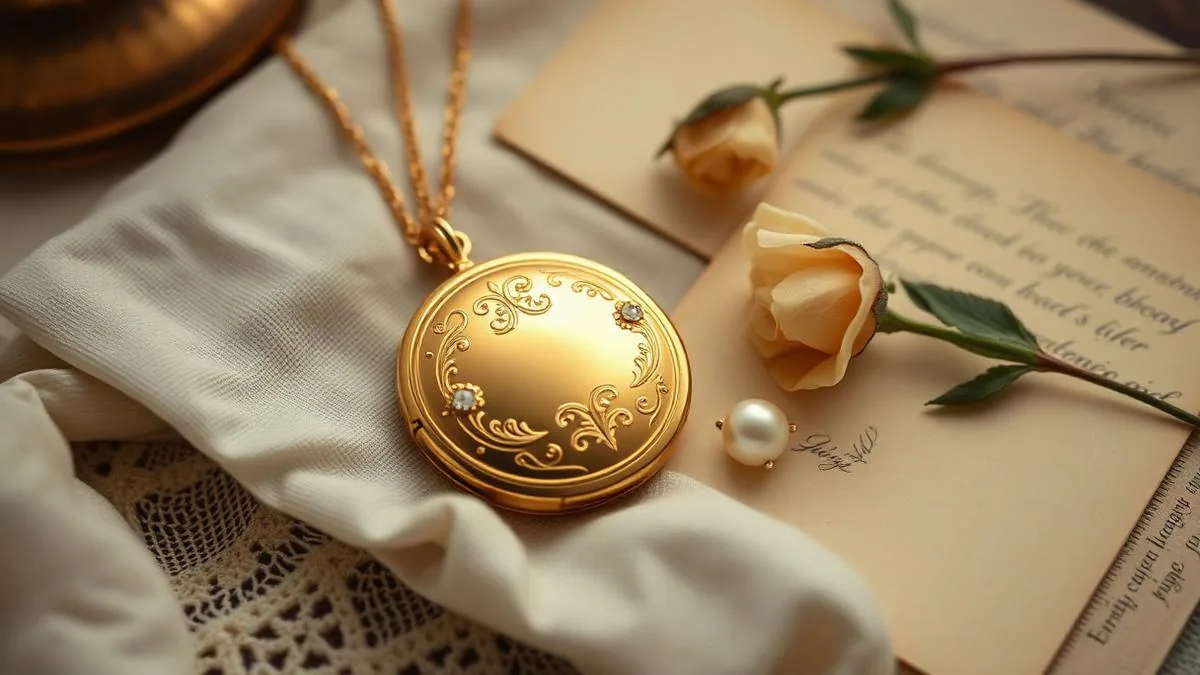
Hair was kept, plaited and worked into panels, chains and even complete bracelets. It appears under glass in a locket compartment, coiled behind a crystal, or woven and mounted with gold fittings.
Hairwork is fragile and cannot be cleaned in any normal sense. Buy it for what it is, keep it out of damp and sunlight, and do not open a sealed compartment out of curiosity.
Inscriptions and dating
Many mourning pieces carry an engraved name, date of death and age, which makes them among the few antique jewels that date themselves. Read the inscription with a loupe before you buy, since worn engraving can be misread.
An inscription tells you the piece is not earlier than the date it names. It does not by itself prove the piece was made in that year, and we never present it as more than it is.
Buying and wearing it
Jet is soft and chips, vulcanite fades and can develop a sulfur smell when rubbed, and black enamel loses flakes at the edges. Condition varies enormously and honest photography of the damage matters more than the description.
Wearing mourning jewelry today is entirely a personal choice. Many of our customers wear a Victorian black enamel band as a modern memorial piece, which is close to what it was made for.
Frequently asked questions
- Is it disrespectful to wear antique mourning jewelry?
- That is a personal judgment. These pieces were made to be worn in memory of someone, and many people today wear them for the same reason. We simply describe what a piece is and let you decide.
- How can you tell jet from vulcanite or black glass?
- Jet is warm and light in the hand and matte in the recesses; glass is cold and heavy; vulcanite often shows a brown cast in strong light. Diagnostic testing is done by our gemologist, a GIA Graduate Gemologist (GG), and we state which material a piece is.
Written by our estate jewelry team and reviewed by our in-house gemologist, a GIA Graduate Gemologist (GG). We have been buying and selling European antique jewelry since 1973.
From the reading to the piece
Shop Victorian jewelry
Each piece is one of a kind and sells once, so this collection changes constantly.
View victorianRelated guides
Keep reading
symbolism
Acrostic and regard jewelry explained
Rings that spell a word in gemstones: REGARD, DEAREST, and the private ones nobody else could read.
symbolism
Lockets and keepsake jewelry
A jewel with an inside. What went into a Victorian locket, and what to check before you buy one.
eras
Victorian jewelry: a complete guide
1837 to 1901, sixty-four years of jewelry that was made to be worn every day and usually shows it.
authenticity
How to care for your vintage jewelry
Why repolishing can halve the value of a piece that took a century to earn its surface.