Symbolism & meaning
Lockets and keepsake jewelry
A jewel with an inside. What went into a Victorian locket, and what to check before you buy one.
Written by our in-house jewelry team · Updated August 7, 2026 · 6 min read
In short
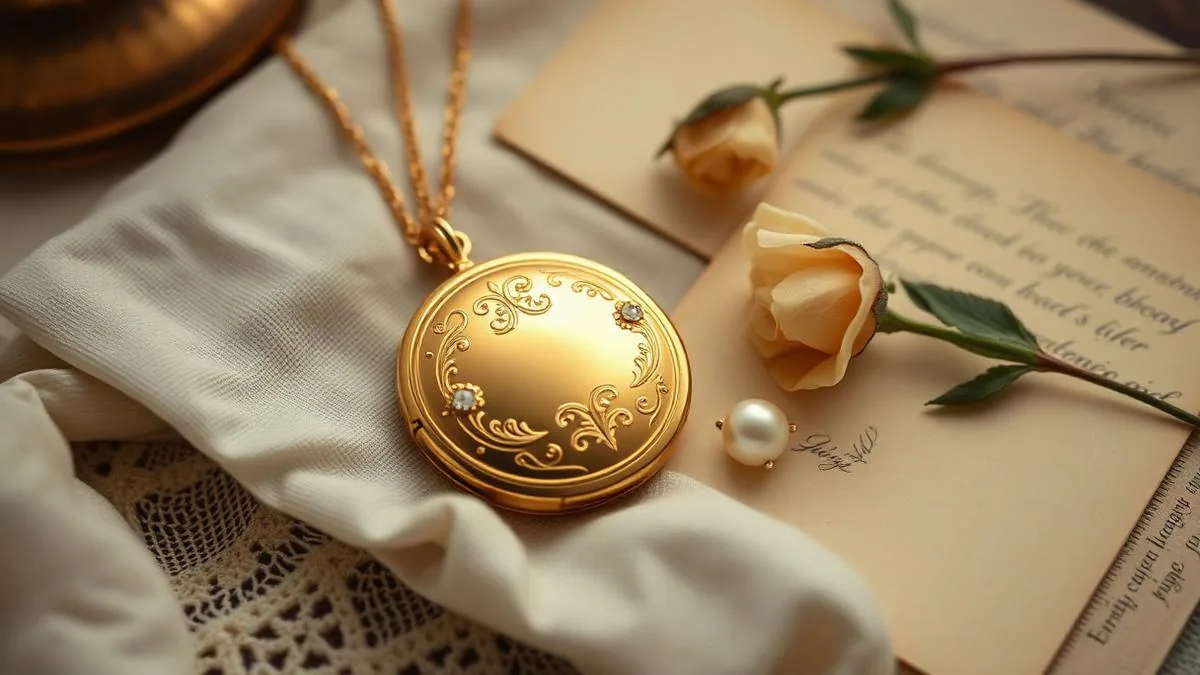
A locket is a pendant with a compartment, made to hold a photograph, a lock of hair or another keepsake. Antique examples are found in solid gold, in gold-front or rolled gold, and in silver, usually with a hinged cover and one or two glazed compartments held by a thin metal ring. The most important things to check are the hinge, the closure and whether the glazed compartments and their retaining rings are still present.
A locket is the most personal thing in antique jewelry, because it was made to carry someone. Most of the lockets we sell arrive empty, and the new owner fills them.
This page is what we would tell you across the counter: the types, the weak points, and how to put a picture in one without damaging it.
Shop the pieces: Locket, curated and available now.
Types you will meet
Solid gold lockets, usually 9K, 14K or 18K in European work, are the most durable and the most valuable by material. Gold-front and rolled gold lockets have a gold layer over a base metal core, were made in vast numbers, and are lovely to wear but must never be polished hard, because the gold layer is thin.
Silver lockets, often engraved with aesthetic-movement birds and branches, are the classic late Victorian everyday piece. Book lockets, heart lockets and large round "picture" lockets are the shapes you will see most.
The parts that fail
Hinges wear and pins loosen, so a cover may sit slightly proud. Closures wear too, and a locket that springs open in wear will eventually be lost. Both are usually repairable.
The glazed compartments matter. Each one is a shallow frame with a piece of glass or celluloid held by a thin ring. Missing rings and missing glass are extremely common and replacements have to be made to fit.
- Does the cover close firmly and sit flush?
- Are both glazed compartments and their retaining rings present?
- Is the engraving crisp, or has it been polished soft?
- On gold-front lockets, is there wear through to the base metal at the edges?
Putting a photograph in
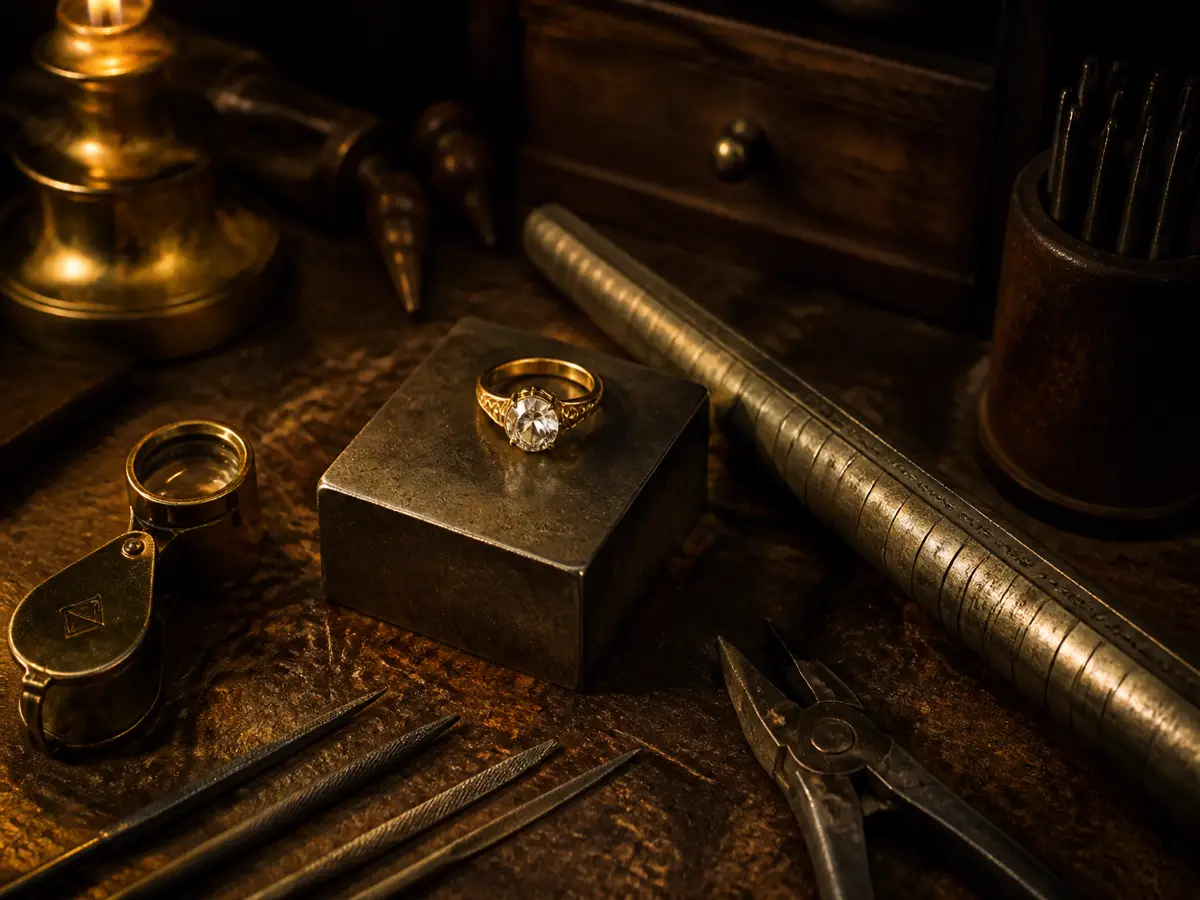
Trace the compartment on paper first, cut the photograph slightly small and ease it in with a wooden toothpick rather than metal tweezers. Never force the retaining ring; if it will not sit, the picture is a hair too big.
If a lock of hair or an old photograph is already inside, we leave it and tell you. It is part of the piece's history and it is not ours to throw away.
Frequently asked questions
- Can a jeweler fit a photograph in an antique locket?
- Yes, and for a tight or fragile compartment that is the safer route. Our workshop does it as part of preparing a locket for shipping if you ask.
- What is a gold-front locket?
- A locket with a substantial gold layer bonded to a base metal core, sometimes called rolled gold. They were made in huge numbers in the late nineteenth century, wear well if treated gently, and should never be machine polished.
Written by our estate jewelry team and reviewed by our in-house gemologist, a GIA Graduate Gemologist (GG). We have been buying and selling European antique jewelry since 1973.
From the reading to the piece
Shop antique lockets
Each piece is one of a kind and sells once, so this collection changes constantly.
View locketRelated guides
Keep reading
symbolism
Heart jewelry: meaning and history
Witch's hearts, crowned hearts and double hearts, and what each one was given to say.
symbolism
Mourning and memorial jewelry explained
Jet, hairwork and black enamel: how the Victorians wore their grief, and how to buy it well.
types
Necklace length guide, with chart
Choker to rope in inches, where each one sits, and how to measure a length you already own.
authenticity
How to clean gold jewelry safely
Warm water, a soft brush and patience will do more good than any cleaning product.