Types & anatomy
Ring setting types explained
Prong, bezel, pavé, gypsy and cut-down: how a stone is held, and why it matters for wear.
Written by our in-house jewelry team · Updated August 7, 2026 · 7 min read
In short
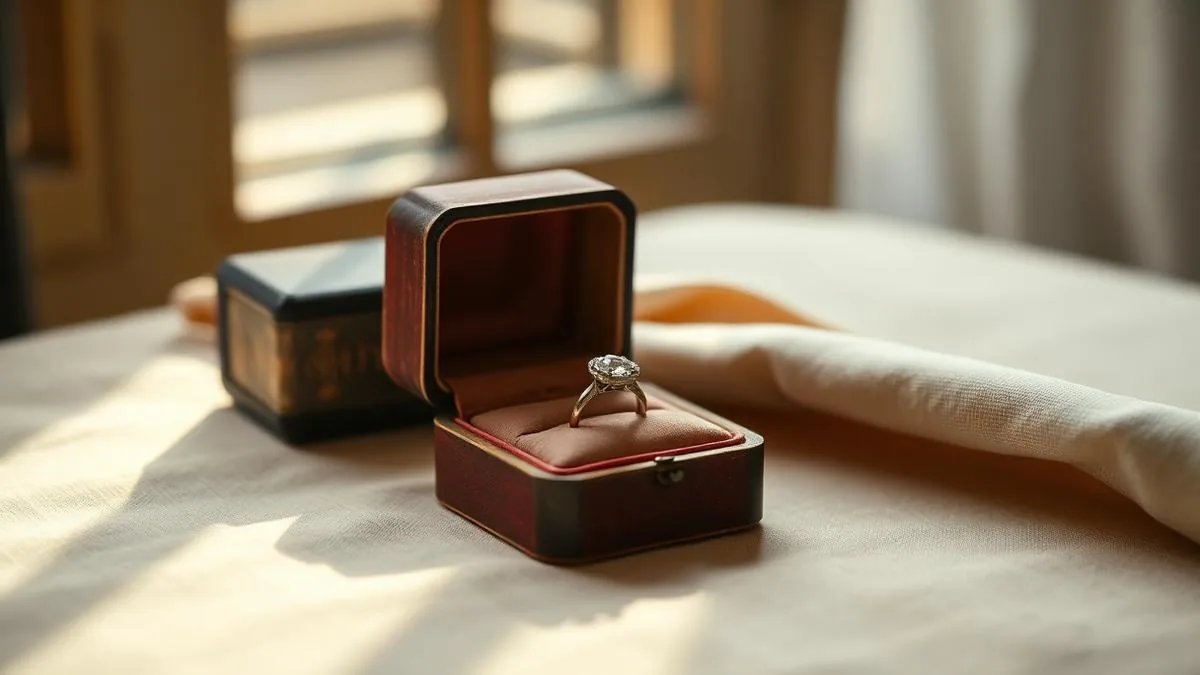
A setting is the way metal holds a stone. Prong or claw settings grip with small metal fingers and let in the most light; bezel or rubover settings wrap a rim of metal around the stone and protect it best; pavé sets many small stones close together in beaded metal; cut-down settings hold a row of stones between shaped metal walls, typical of Edwardian and Art Deco work; and gypsy or flush settings sink the stone into the metal itself, which is the most hard-wearing of all.
Setting type tells you two things at once: roughly when a ring was made, and how it will cope with your life. A century-old claw setting on a ring worn daily is the single most common reason a stone is lost, and it is entirely preventable.
Here is each type, what it looks like, and what it needs from you.
Shop the pieces: Solitaire, curated and available now.
Prong and claw
Small metal fingers rise from the head and fold over the girdle of the stone. Four, six and eight claws are all common; antique claws are often long and finely tapered where modern ones are short and blunt.
Claws are the most light-friendly setting and the most vulnerable. They thin as they wear and catch on clothing. Have them checked by a jeweler once a year on a ring you wear daily; retipping is a small, routine job when it is done early.
Bezel and rubover
A continuous rim of metal is pushed over the edge of the stone. It is the oldest setting type in the trade and the most secure, and it suits softer stones and anyone who works with their hands.
A collet is the small conical cup the stone sits in. In Georgian and early Victorian rings the collet is often closed at the back, sometimes with foil behind the stone, which is why those rings must never be soaked in water.
Pavé, grain and millegrain
Pavé sets many small stones close together, each held by tiny beads of metal raised with a graver so the surface reads as a pavement of stones. Grain set is the same family. Millegrain is not a setting at all but a decorative finish: a fine row of beads along an edge, a hallmark of Edwardian and Art Deco work.
Pavé rewards close looking and punishes hard wear. Beads flatten over decades and stones start to move. This is where a loupe pays for itself.
Cut-down, channel and gypsy
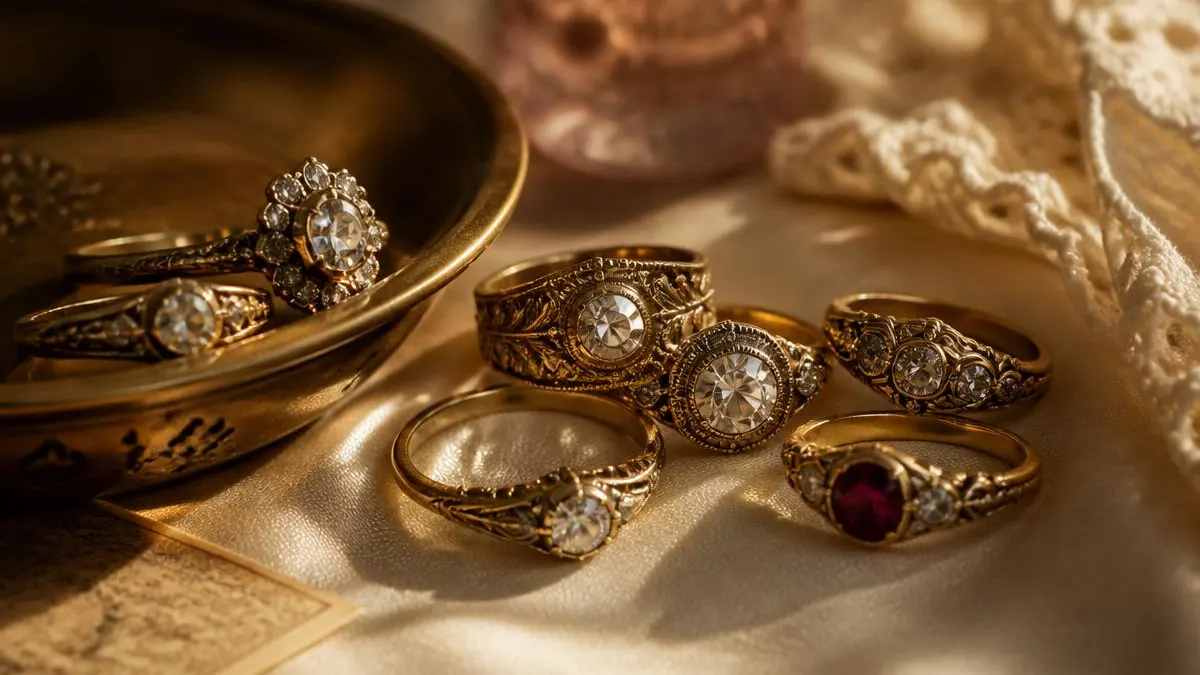
A cut-down setting seats a row of stones between two shaped walls of metal, cut away between the stones so light reaches them. It is the signature of fine Edwardian and Art Deco platinum work and takes real skill to execute.
Channel setting runs stones between two continuous rails, common in mid-century and later bands. Gypsy, also called flush or star setting, sinks a stone into a thick mass of metal so the table sits level with the surface. Gypsy set signet and band rings are the toughest vintage rings you can buy.
- Most light: claw and cut-down
- Most protection: bezel and gypsy
- Most detail: pavé and millegrain
Frequently asked questions
- Which vintage ring setting is best for everyday wear?
- Bezel, rubover and gypsy or flush settings are the most hard-wearing, because there is little metal exposed to catch and the stone is fully supported. Fine claw and pavé work is better kept for lighter wear.
- Can worn claws be repaired?
- Yes. Retipping adds fresh metal to the tips of thinning claws and is routine work in our own workshop. It is far cheaper than replacing a lost antique stone, which usually cannot be matched.
Written by our estate jewelry team and reviewed by our in-house gemologist, a GIA Graduate Gemologist (GG). We have been buying and selling European antique jewelry since 1973.
From the reading to the piece
Shop vintage rings
Each piece is one of a kind and sells once, so this collection changes constantly.
View solitaireRelated guides
Keep reading
types
Types of vintage rings explained
Signet, solitaire, cluster, cocktail, eternity, toi et moi and halo, and how to tell them apart on the hand.
compare
Gold vs platinum settings
Two metals that age in opposite directions, and what that means for an antique setting.
authenticity
Everyday wear and what actually damages jewelry
Chlorine, the gym and a good night's sleep cause more damage than clumsy hands ever do.
authenticity
How to date a vintage ring
Work through marks, metal, construction, cut, setting and wear in order, and settle on a range rather than a year.