Compare & decide
Gold vs platinum settings
Two metals that age in opposite directions, and what that means for an antique setting.
Written by our in-house jewelry team · Updated August 7, 2026 · 7 min read
In short
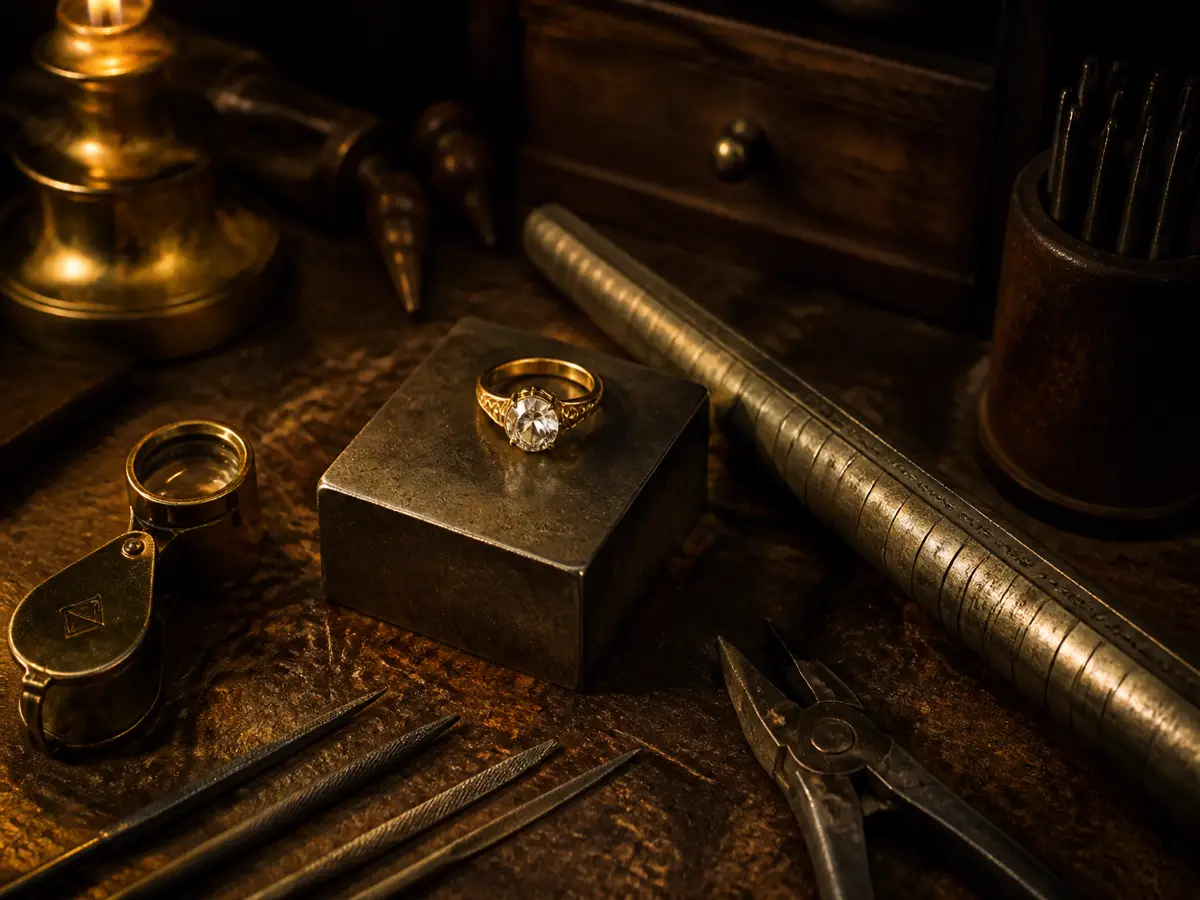
Platinum is denser and heavier than gold, holds fine detail well and does not need plating, but it is more expensive to work and develops a soft grey patina rather than staying bright. Gold is lighter, easier and cheaper to repair or resize, and comes in yellow, white and rose, though white gold is normally rhodium plated and needs replating over time. In antique jewelry platinum also carries dating information, since it appears in fine settings mainly from around 1900 onward.
This choice matters more in vintage than in new jewelry, because the metal is evidence as well as material. A platinum-topped gold ring is telling you something about when and how it was made.
Shop the pieces: Art Deco engagement rings, curated and available now.
How they behave
Platinum is a dense, tough metal that displaces rather than sheds when it is scratched, which is why worn platinum develops a soft matte surface, the patina collectors like. It holds fine millegrain and thin claws exceptionally well.
Gold is softer and lighter. It scratches and, over long wear, thins. A high-karat gold shank on a daily-worn ring will eventually need work, which is entirely normal and straightforward.
Color and upkeep
Platinum is naturally white and stays white; no plating is involved. White gold is an alloy that is normally rhodium plated to look bright white, and the plating wears and needs redoing periodically, particularly on a ring.
Yellow and rose gold need no plating at all, and rose gold's copper content makes it noticeably harder than high-karat yellow.
- Naturally white, no plating: platinum
- Needs periodic rhodium replating: white gold
- Warmest and softest: high-karat yellow gold
- Hardest common gold in vintage jewelry: rose gold, and lower karat alloys
Repair, resizing and cost
Gold is cheaper and quicker to size, solder and rebuild, and most jewelers work with it daily. Platinum requires higher temperatures and different technique, so platinum work costs more and should go to someone who does it regularly.
This matters when you are buying an antique ring you may need sized. Ask what the setting allows before you buy, not after.
What the metal tells you about the piece
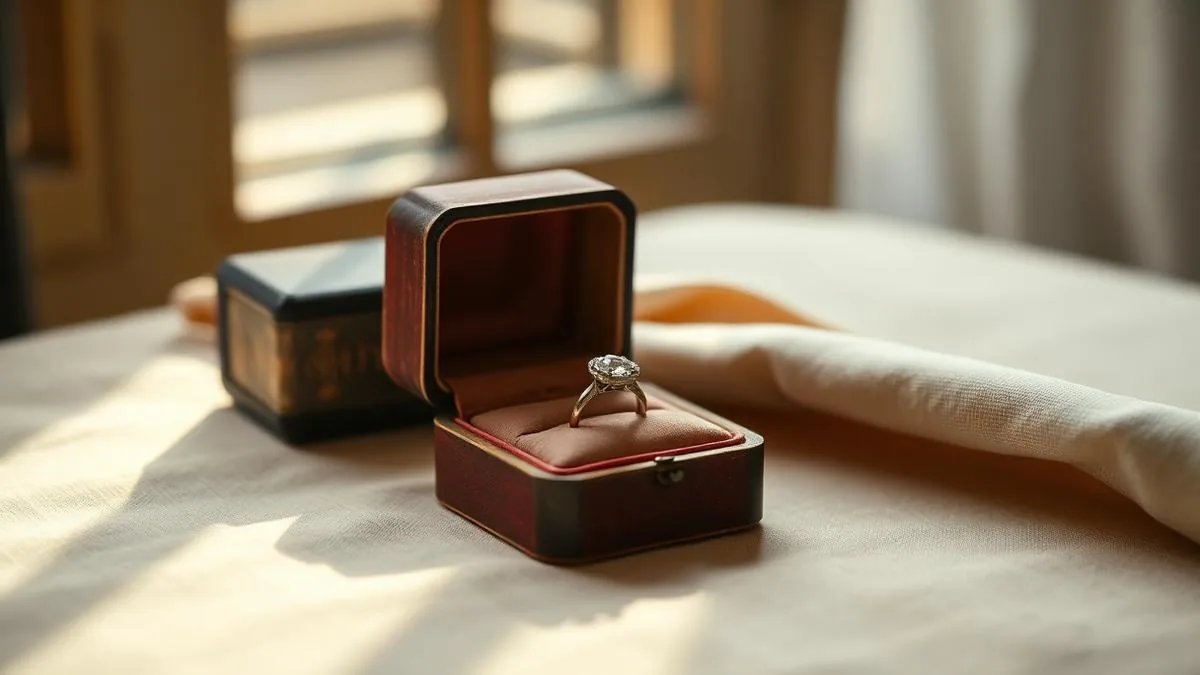
Fine diamond jewelry before roughly 1900 was typically set in silver over gold, because silver looked white against the stones. Platinum became practical for jewelry around the turn of the twentieth century and dominates Edwardian and Art Deco fine work.
So a delicate, lacy, millegrained white setting on a piece described as Georgian is a question worth asking. This is one of several reasons we photograph hallmarks and test metal rather than relying on appearance.
Frequently asked questions
- Is platinum better than gold for an engagement ring?
- Not universally. Platinum holds fine settings superbly and needs no plating; gold is lighter, cheaper to repair and available in three colors. The right answer depends on the design, your budget and how you wear it.
- Does platinum scratch?
- Yes, but the metal is displaced rather than lost, which produces the soft grey patina platinum is known for. It can be refinished, though many owners prefer to leave it.
- Why is white gold sometimes slightly yellow at the shank?
- Because the rhodium plating has worn through to the alloy beneath. Replating restores it and is routine jeweler's work.
Written by our estate jewelry team and reviewed by our in-house gemologist, a GIA Graduate Gemologist (GG). We have been buying and selling European antique jewelry since 1973.
From the reading to the piece
Shop Art Deco rings
Each piece is one of a kind and sells once, so this collection changes constantly.
View art deco engagement ringsRelated guides
Keep reading
metals
White gold vs yellow gold vs rose gold in vintage jewelry
What gives gold its color, and what each color tells you about a piece's age.
metals
Silver and platinum in vintage and antique jewelry
Why platinum defined an era, how sterling silver is used, and how to tell them apart.
types
Ring setting types explained
Prong, bezel, pavé, gypsy and cut-down: how a stone is held, and why it matters for wear.
how-to
Resizing vintage rings, what is and is not possible
Some antique rings resize like any modern ring. Others should not be cut at all.