Authenticity & care
How to read Dutch gold and silver hallmarks
The zoetermeer, the lion, and how the Netherlands marks precious metal.
Written by our in-house jewelry team · Updated August 7, 2026 · 7 min read
In short
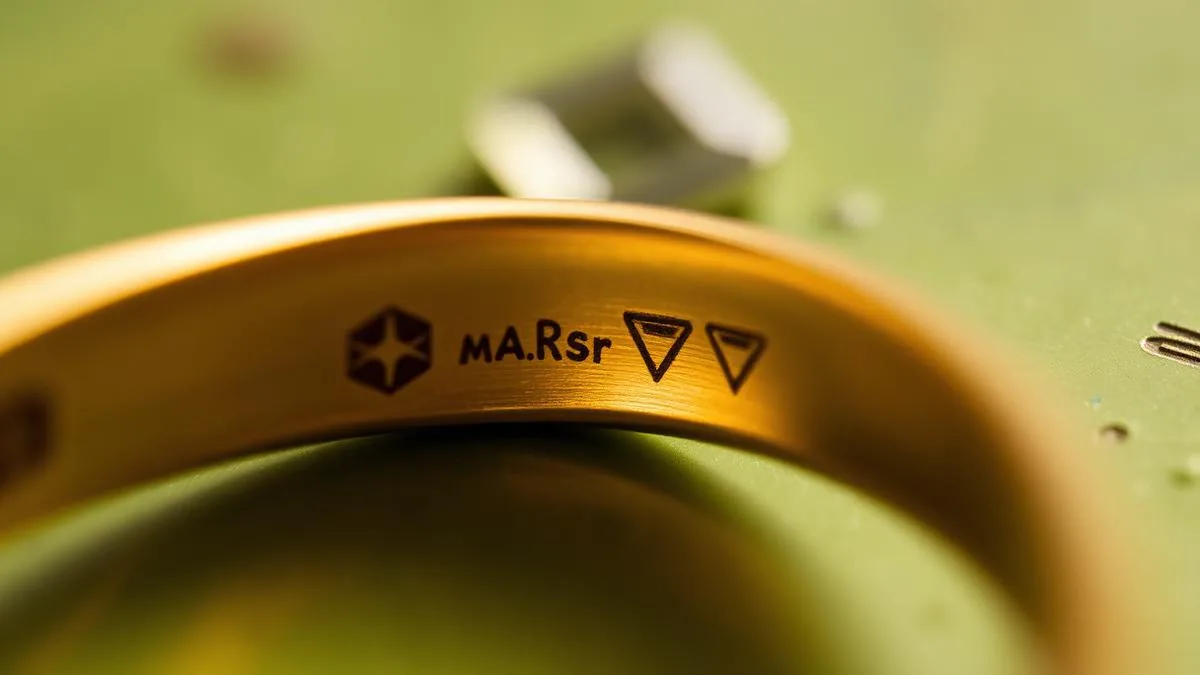
Dutch jewelry carries a hallmark system, applied by a recognized Dutch assay office where required by Dutch law, using standard marks that show the fineness of gold or silver, plus a maker's or sponsor's mark. Dutch hallmarks confirm the metal content that was tested at assay, but like most European systems they do not encode a specific year, so dating still relies on the piece's construction and style rather than on the mark alone.
As a Dutch family business, we handle Dutch-marked jewelry constantly, and it is one of the more consistent systems for confirming that a gold or silver piece is what it claims to be. The Netherlands has required hallmarking of precious metal articles, where required by Dutch law, since long before modern EU trade rules; marking is carried out by a recognized Dutch assay office.
For an American buyer, the practical value of a Dutch hallmark is the same as any national system: it is a government-backed guarantee of the metal's fineness at the moment it was tested, applied by an independent assay office rather than by the seller.
Shop the pieces: Everyday vintage fine jewelry, curated and available now.
The standard marks
Dutch gold is most commonly marked with a numeric fineness stamp, such as 750 for 18K or 585 for 14K, sometimes alongside a small pictorial standard mark specific to the period and metal. Dutch silver historically used a lion mark for sterling-grade silver, along with numeric fineness marks in more recent decades that mirror the gold system.
Older Dutch marks from the nineteenth and early twentieth centuries can look different from marks struck in the last several decades, since the specific pictorial symbols used by Dutch assay offices changed over time even as the underlying fineness standards stayed comparable. A piece can carry an older-style Dutch mark and still be entirely genuine.
- Numeric fineness marks such as 750, 585 or 925 confirm gold or silver content directly
- A lion mark is associated with sterling-grade Dutch silver
- Pictorial standard marks varied by period, so an unfamiliar older symbol is not automatically a concern
The maker's or sponsor's mark
As in most European systems, a separate small mark identifies the maker, workshop or importer responsible for the piece, distinct from the assay office's own fineness mark. On Dutch jewelry this sponsor's mark sits alongside the fineness stamp, usually on the same component, such as the inside of a ring shank or the reverse of a brooch fitting.
On unsigned Dutch workshop jewelry, which is common for everyday antique and vintage pieces rather than for jewelry attributed to a specific named house, the sponsor's mark may be the only maker information present, and it is often too small or worn to trace confidently to a specific workshop by name. We report what is legible rather than guess at an attribution.
What Dutch marks can and cannot tell you
A legible Dutch hallmark confirms the metal was independently assayed and found to meet the stated fineness, and it identifies a registered sponsor when that part of the mark is legible. It does not encode a specific year of manufacture, so dating a Dutch piece to a decade relies on its construction, findings, and style, the same as it does for French jewelry.
This is also true for pieces bought and sold across borders. A great deal of antique jewelry that passed through the Dutch market over the last century originated elsewhere in Europe, so it is common to see a Dutch import or assay mark alongside marks from another country. That combination reflects the piece's trading history and is not itself a red flag.
Common pitfalls
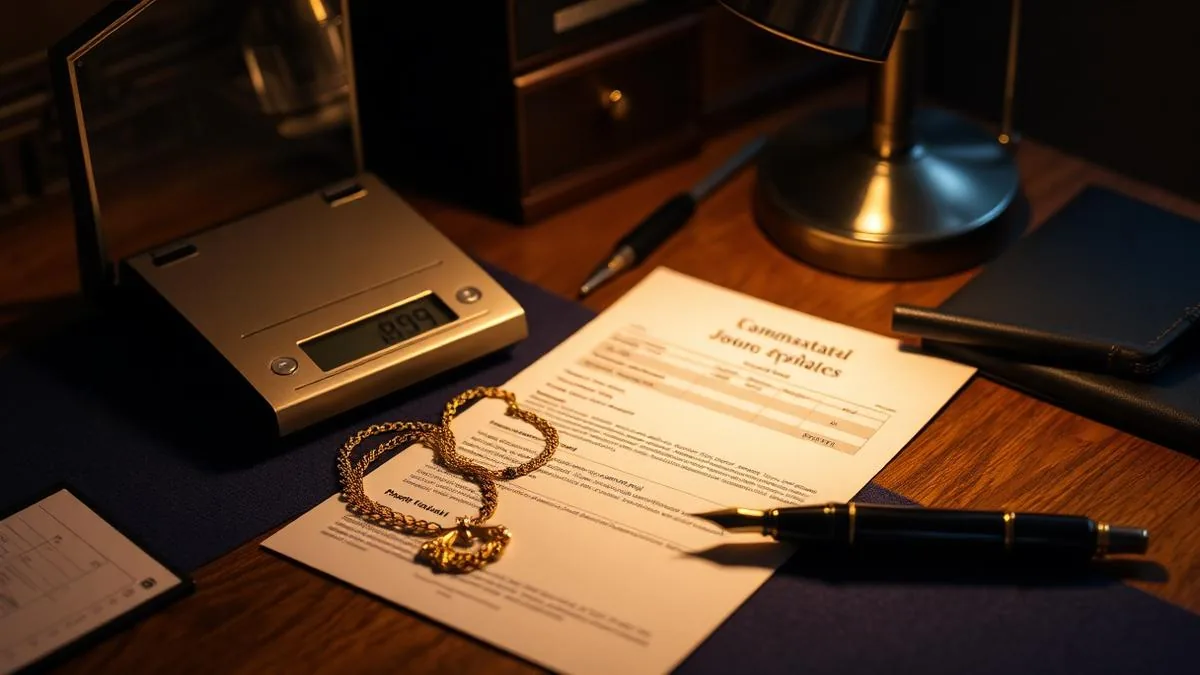
The same wear and repair issues that affect any European hallmark apply here. A worn numeric fineness mark on a ring shank, illegible after decades of contact, is normal rather than suspicious. A hallmark sitting on an obvious repair or a replacement shank should be understood as reflecting that later work.
Because Dutch fineness marks are numeric and simple, they are also occasionally confused with generic karat stamps used informally in other markets without independent assay backing. A genuine Dutch hallmark from a registered assay process sits alongside a sponsor's mark and shows the crisp, even strike of an official assay punch, rather than a shallow or inconsistent stamp applied without third-party testing.
Frequently asked questions
- Who administers hallmarking in the Netherlands?
- A recognized Dutch assay office tests and marks precious metal articles where required by Dutch law.
- What does a 750 or 585 stamp mean on Dutch jewelry?
- These are numeric fineness marks. 750 indicates 18K gold and 585 indicates 14K gold, both expressed as thousandths of pure gold content.
- Do Dutch hallmarks include a date letter like British hallmarks?
- No. Dutch marks confirm fineness and, where legible, a sponsor's mark, but they do not encode a specific assay year the way the British date letter system does.
- Is it normal to see marks from more than one country on a Dutch-sold piece?
- Yes. A great deal of antique jewelry sold in the Netherlands originated elsewhere in Europe, so combined mark sets reflect trading history rather than a problem with the piece.
Written by our estate jewelry team and reviewed by our in-house gemologist, a GIA Graduate Gemologist (GG). We have been buying and selling European antique jewelry since 1973.
From the reading to the piece
Shop hallmarked vintage gold
Related guides
Keep reading
authenticity
How to read French gold and silver hallmarks
The eagle's head, the boar, the owl, and what French hallmarks can and cannot tell you.
authenticity
How to read British gold and silver hallmarks
Assay office marks, the date letter, and how the UK's hallmark system works.
metals
Silver and platinum in vintage and antique jewelry
Why platinum defined an era, how sterling silver is used, and how to tell them apart.