Buying & value
Insuring your vintage jewelry
A standard homeowners policy is rarely enough on its own for antique jewelry.
Written by our in-house jewelry team · Updated August 7, 2026 · 8 min read
In short
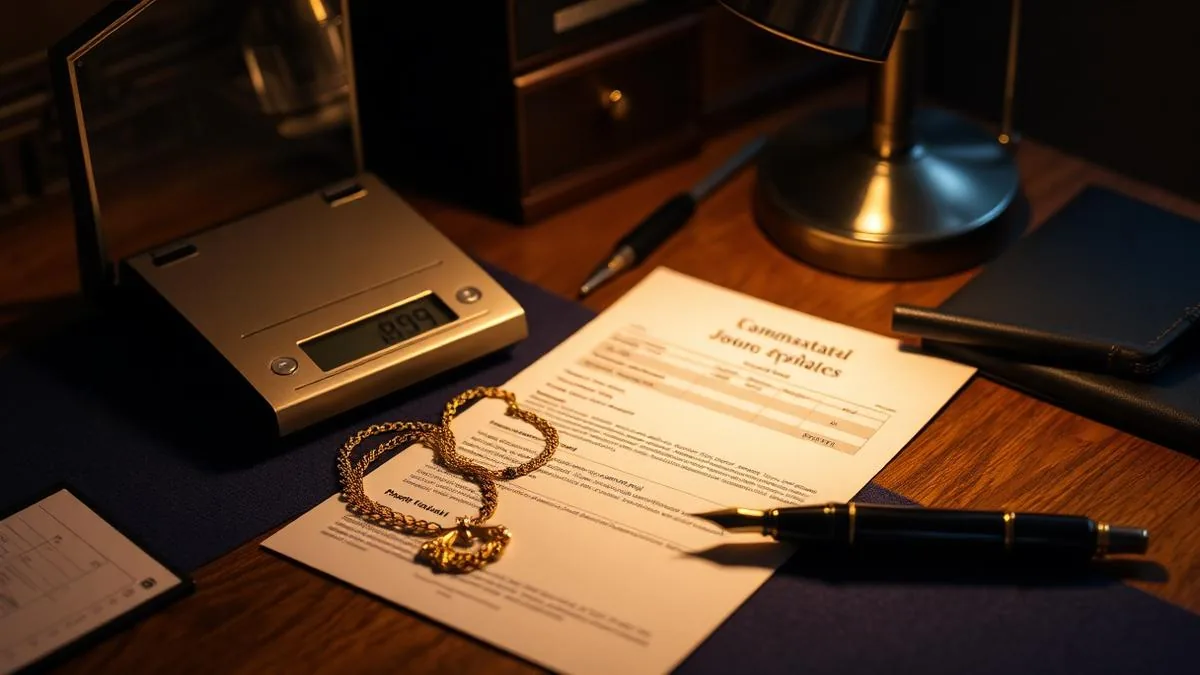
Most homeowners and renters policies cap jewelry coverage well below what a fine antique piece is worth and exclude many causes of loss, so valuable pieces are usually added as a scheduled personal article with its own agreed or replacement value. A proper valuation report should describe the metal, the stones, measurements, condition and any distinguishing marks, and it should be updated every few years as values change.
Buying a fine antique piece is the moment most people think about insurance for the first time, and it is worth doing properly rather than assuming a standard home policy already covers it.
This guide explains the main options in plain terms. We are not insurance brokers, and none of this is a substitute for talking to your own insurer about your specific policy.
Shop the pieces: Fine & rare, curated and available now.
Homeowners and renters policies vs scheduled personal articles
A standard homeowners or renters policy typically includes a modest amount of coverage for jewelry as part of your general personal property, often with a per-item or per-category sublimit that is far below the value of a fine antique piece. Coverage under these policies can also exclude common causes of loss, such as a stone simply falling out, or require a police report for theft.
A scheduled personal articles policy, sometimes called a jewelry floater or a personal articles rider, insures a specific named piece for a specific value, usually with broader coverage that includes accidental loss and mysterious disappearance, and no separate deductible for that item. Because it covers the piece by description and value rather than as part of a general category, the insurer will generally ask for documentation before adding it.
Replacement value vs agreed value
A replacement value policy pays out what it costs to replace the piece at the time of loss, which an insurer determines based on current prices. For a unique antique piece, that can be a difficult and sometimes contentious process, since there may be no directly equivalent piece on the market.
An agreed value policy sets the insured amount in advance, based on a valuation you provide when the policy is written, and pays that amount without a separate negotiation at claim time. For one-of-a-kind antique jewelry, an agreed value policy is generally the more predictable option, though availability and terms vary by insurer.
What a valuation report should contain
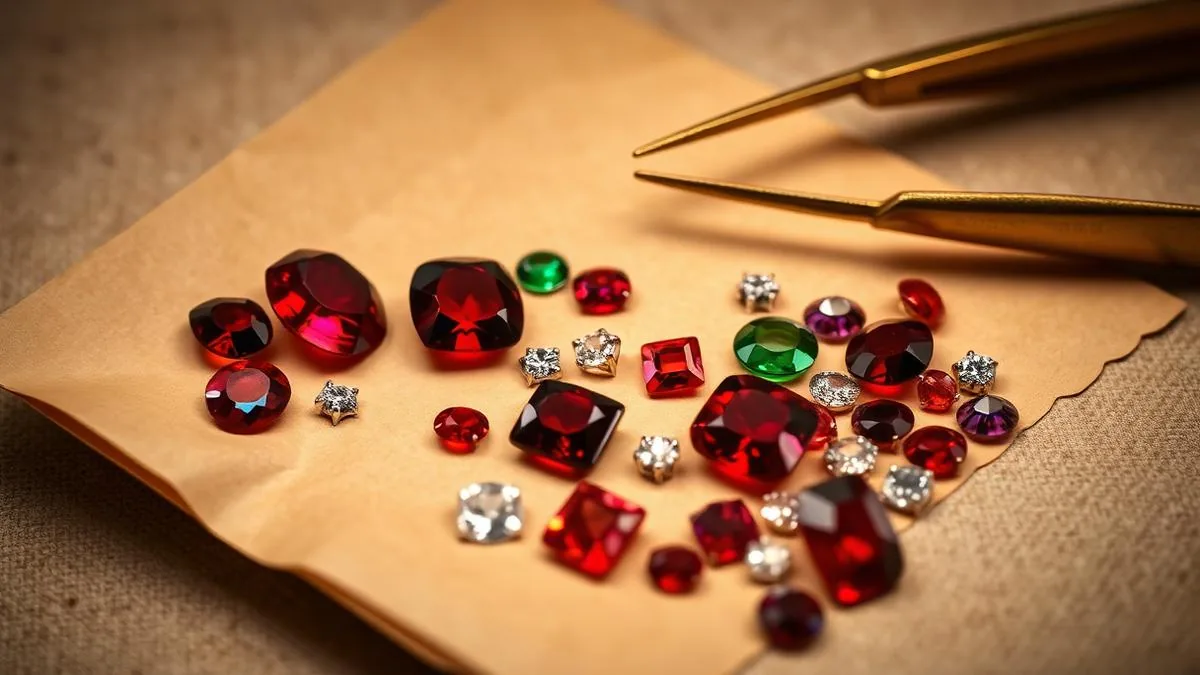
Whichever type of policy you choose, your insurer will want a written report describing the piece in enough detail to identify it and support its insured value. A thorough report typically includes the metal and its standard, a description and measurement of each stone including its type, cut and estimated weight, an assessment of any treatments, the piece's approximate period and condition, and clear photographs.
Every piece we sell above our high-value threshold comes with a detailed valuation and authenticity report prepared by our in-house gemologist, a GIA Graduate Gemologist (GG), describing the metal, stones, measurements and condition in this level of detail. We prepare it as the seller's own assessment for your records and for your insurer to review, and it is not an independent third-party appraisal, so check with your insurer which form of documentation they require and whether they accept a seller's report or want a separate appraisal.
Keeping photographs and documentation
Photograph every valuable piece clearly, including any hallmarks, and keep the images somewhere other than with the jewelry itself, alongside your invoice and any valuation report. This is the paperwork you will need first if a piece is ever lost, stolen or damaged, and it also makes it far easier to update a valuation later.
Keep a simple written inventory too, noting where and when each piece was acquired and what documentation exists for it. It sounds unnecessary until the day you need it.
Updating values over time
Gold, platinum and diamond prices move, and an antique piece insured at its purchase value five or ten years ago may be significantly under or over insured today. Review scheduled items with your insurer every few years, and sooner if there has been a large move in precious metal prices or if the piece has had significant work done to it.
If you inherit or are given a piece with no existing documentation, it is worth having it assessed and valued before you insure it, rather than guessing at a figure.
Frequently asked questions
- Does my homeowners policy already cover my jewelry?
- Only partly, in most cases. Homeowners and renters policies usually include a limited amount of jewelry coverage with sublimits well below the value of a fine antique piece, and often narrower coverage than a dedicated policy.
- What is a scheduled personal articles policy?
- A policy or rider that insures a specific named item for a specific value, typically with broader coverage than a general homeowners policy and no separate deductible for that item.
- Should I choose agreed value or replacement value coverage?
- For unique antique jewelry, an agreed value policy is often more predictable, since the insured amount is set in advance rather than negotiated at the time of a claim. Availability varies by insurer.
- Do you provide a valuation report for insurance?
- We provide a detailed valuation and authenticity report prepared by our gemologist, a GIA Graduate Gemologist (GG), describing the metal, stones, measurements and condition. Confirm with your insurer what documentation they require.
- How often should I update the insured value of my jewelry?
- Every few years as a general rule, and sooner after a significant move in gold, platinum or diamond prices, or after any repair or restoration work.
Written by our estate jewelry team and reviewed by our in-house gemologist, a GIA Graduate Gemologist (GG). We have been buying and selling European antique jewelry since 1973.
From the reading to the piece
Shop fine and rare pieces
Related guides
Keep reading
authenticity
How to care for your vintage jewelry
Why repolishing can halve the value of a piece that took a century to earn its surface.
how-to
How to store and travel with vintage jewelry
Separate, soft, dry and always in your hand luggage.
how-to
Resizing vintage rings, what is and is not possible
Some antique rings resize like any modern ring. Others should not be cut at all.