Gemstones & cuts
Amethyst, from royal stone to Victorian staple
Once as costly as ruby, now the most generous purple in the case.
Written by our in-house jewelry team · Updated August 1, 2026 · 5 min read
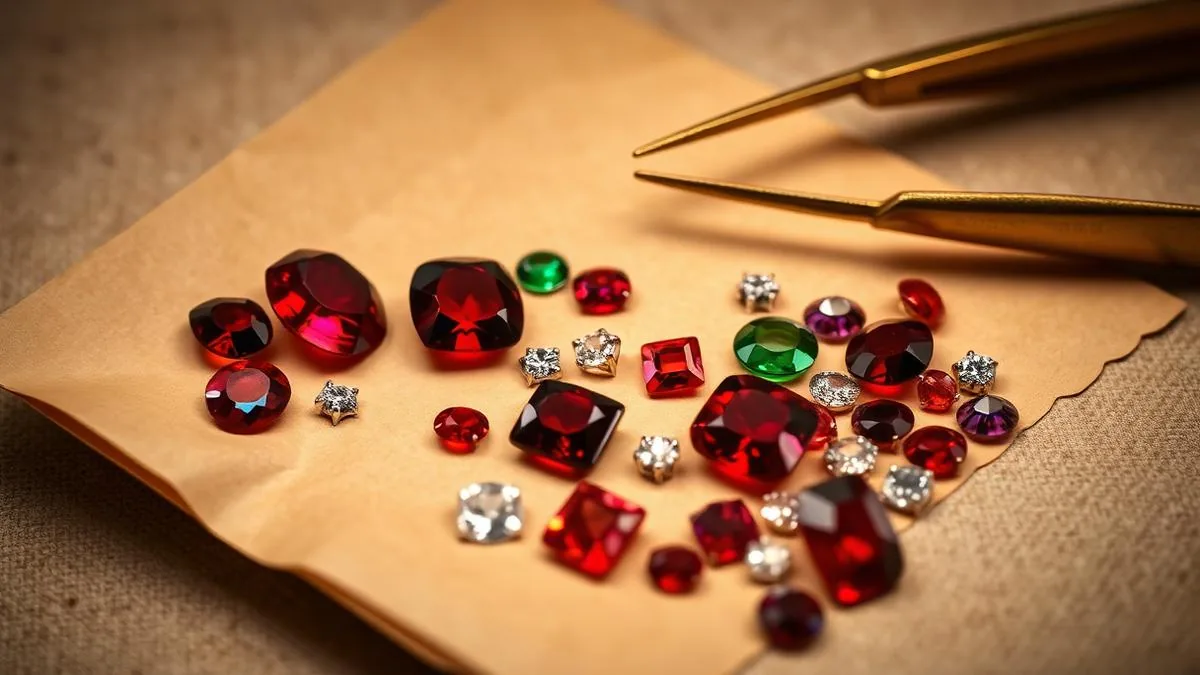
In short
Amethyst is the purple variety of quartz, 7 on the Mohs scale. It was a precious stone until large Brazilian deposits were found in the nineteenth century, after which prices fell sharply. Heat treatment is common, colors can fade in prolonged strong sunlight, and Victorian and Georgian amethysts are often exceptional in tone.
Amethyst is a lesson in how markets change. Before Brazil, it sat alongside emerald and ruby in importance; afterwards it became the affordable stone we know.
That history is good news for a buyer of antique jewelry, because the stones set in nineteenth-century pieces were often selected when quality standards were far higher.
Shop the pieces: Amethyst, curated and available now.
Quartz, at its best
Purple quartz, hard enough for daily wear, and the clearest example in gemology of supply rewriting a stone's status.
Species and group: Quartz (silicon dioxide). Mohs hardness: 7. Typical colors: Light lilac to deep purple, sometimes with red or blue flashes.
- Color zoning is common and is a sign of natural origin
- Prized deep purple with red flashes is traditionally called Siberian, a color grade rather than an origin
- Hardness 7 makes it suitable for everyday jewelry with sensible care
- Often cut in large sizes because clean rough is plentiful
Heat, irradiation and honest color
Amethyst is less treated than most colored stones, but heat turns it into citrine and prasiolite, which means the boundary between species in a quartz parure is not always where it appears.
Our gemologist examines every stone before a piece is listed, and the description states what is known and what cannot be determined without a laboratory report.
- Heat treatment, which can lighten stones or turn them into yellow citrine
- Irradiation is used on some quartz but is uncommon in antique material
- Synthetic amethyst has been produced since the 1970s and is difficult to detect without laboratory testing
- Glass and assembled imitations appear in costume pieces
What separates a good amethyst
Zoning is the thing to look for, and it is easiest to see face-down against something white rather than face-up on a hand.
- Angular color zoning in bands or a zebra-like pattern indicates natural quartz
- Glass shows bubbles, rounded facet edges and warms quickly in the hand
- Amethyst is noticeably harder than glass and resists the scuffing you see on paste stones
- Fading along one side of a stone can indicate long sun exposure rather than a treatment
Georgian foiled stones to Victorian gold
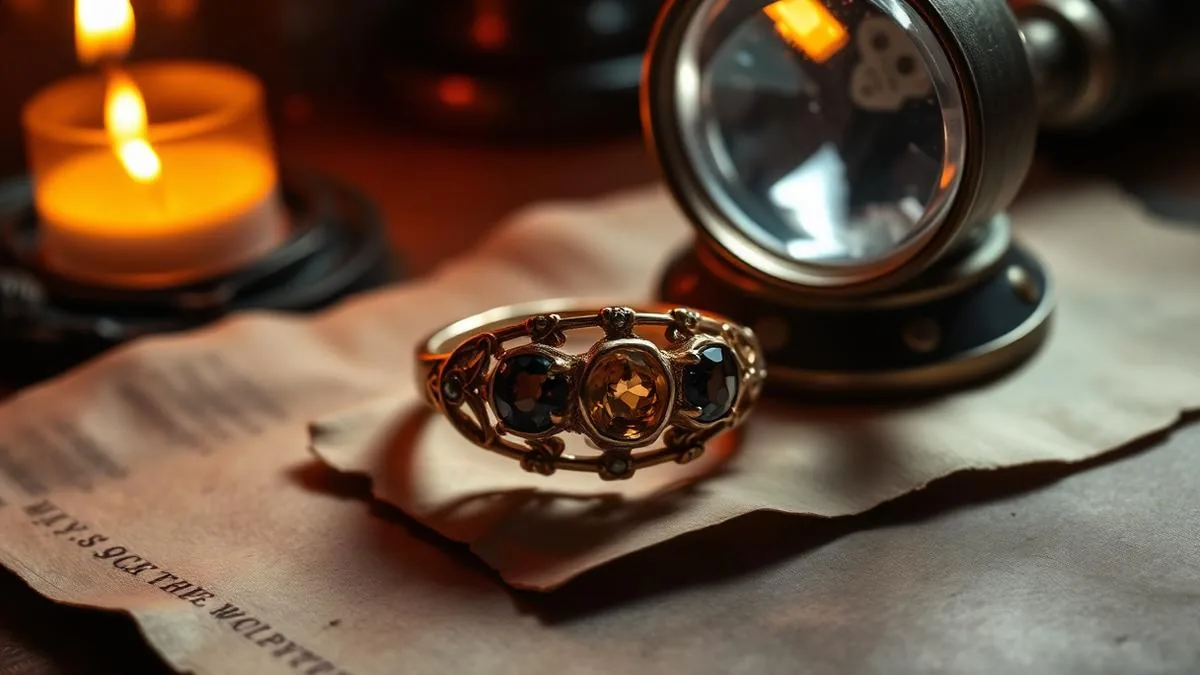
Georgian and early Victorian amethysts are frequently foil-backed and closed-set, which means they must never be immersed in water. Later Victorian work uses open settings and larger, deeper stones.
Amethyst also appears widely in Arts and Crafts and Art Nouveau pieces, where its color mattered more than its market price.
Frequently asked questions
- Does amethyst fade?
- Prolonged strong sunlight can lighten it. Store amethyst out of direct sun rather than on a sunny windowsill.
- Was amethyst ever a precious stone?
- Yes. Until large Brazilian deposits were worked in the nineteenth century, it was treated as a precious gem and priced accordingly.
- Can an amethyst ring be cleaned in water?
- An open-set stone, yes, with lukewarm water and mild soap. A foil-backed Georgian stone must be kept dry.
Written by our estate jewelry team and reviewed by our in-house gemologist, a GIA Graduate Gemologist (GG). We have been buying and selling European antique jewelry since 1973.
From the reading to the piece
Shop amethyst jewelry
Each piece is one of a kind and sells once, so this collection changes constantly.
View amethystRelated guides
Keep reading
eras
Georgian jewelry guide, 1714 to 1837
Hand-wrought gold, closed-back settings and diamonds cut for candlelight, from before machines touched jewelry at all.
gemstones
Garnet is a family, not a stone
A whole family of stones, and the best value in antique jewelry.
gemstones
Gemstone treatments explained
Heat, oil, fracture filling, diffusion and dye: which are routine, which are serious, and how each is spotted.