How-to & tools
When to repolish vintage jewelry, and why it can lower value
Polishing removes metal. On an antique piece, that metal is the history.
Written by our in-house jewelry team · Updated August 1, 2026 · 6 min read
In short
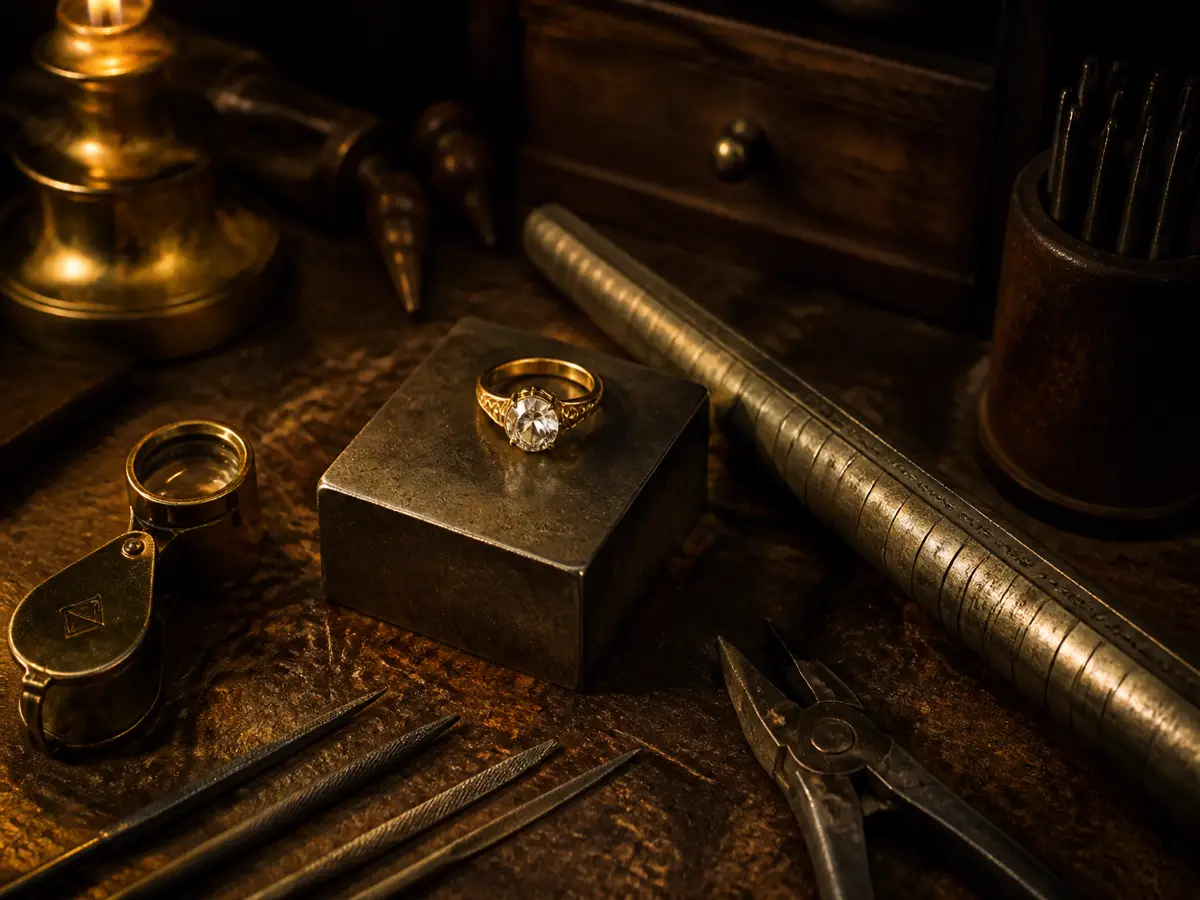
Polishing does not clean metal, it removes a thin layer of it. On an antique piece that means softening hand engraving, thinning an already worn shank, blurring hallmarks and erasing the surface history that proves the piece is old. Repolish when there is a structural or comfort reason, not as a default.
There is a moment in every restoration where the piece can be made to look new. Most of the time, it should not be.
Shop the pieces: Fine & rare, curated and available now.
What patina actually is
Patina is the combination of microscopic surface wear, softened edges and darkened recesses that a century of handling produces. It is one of the things a specialist reads when authenticating a piece, because it is very hard to fake convincingly.
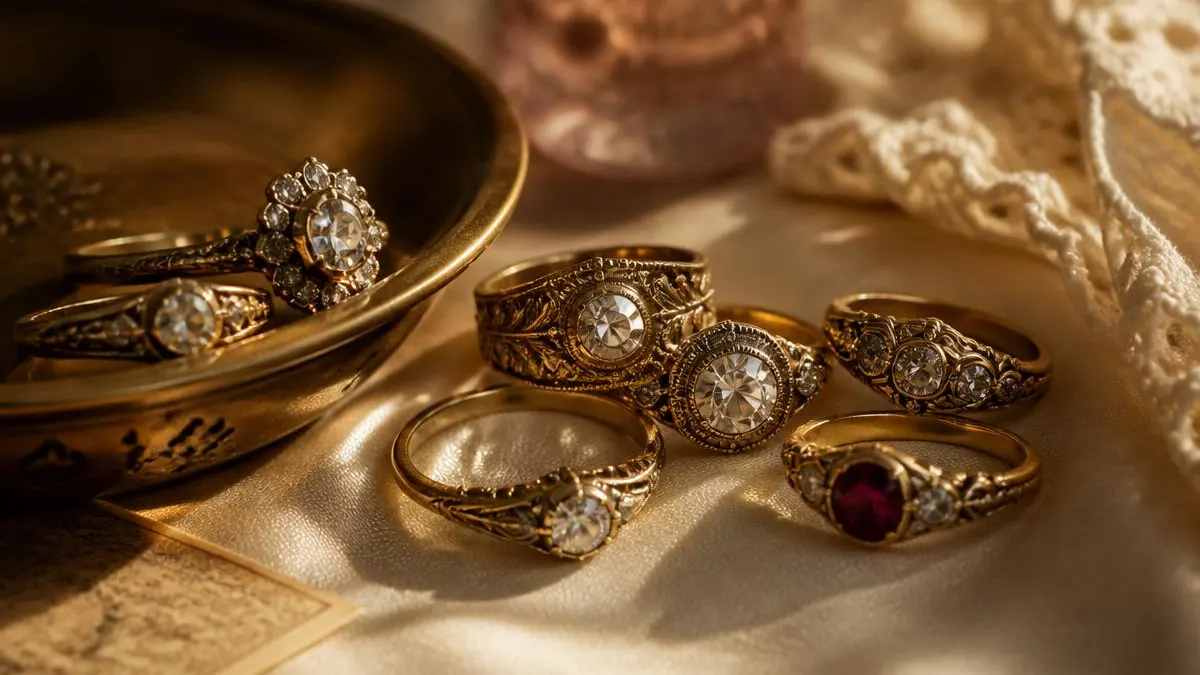
Collectors pay for it. A crisp, over-polished Victorian ring often sells for less than the same ring with honest wear, because the buyer can no longer see its age.
When repolishing is right
There are good reasons to refinish, and they are practical rather than cosmetic.
- A sharp edge or burr that catches clothing or skin
- Solder seams from an earlier repair that need to be blended after new work
- A shank being rebuilt anyway, where the new metal has to be matched
- Deep scratching on a plain, undecorated modern-era surface with no engraving to lose
“Polishing removes metal, and metal is the one thing a hundred year old piece cannot make more of.”
What we do by default
We clean, we check and tighten every setting, we re-tip claws where they are worn thin, and we leave the surface alone unless there is a reason not to. If a piece has been refinished before it came to us, the description says so.
If you would rather have a piece brightened, our goldsmiths will do it after we have talked through what will be lost. It is a decision that cannot be undone.
Frequently asked questions
- Does polishing remove gold?
- Yes. Every polish removes a small amount of metal, which is why repeatedly polished antique rings end up with thin, fragile shanks.
- Will polishing damage hallmarks?
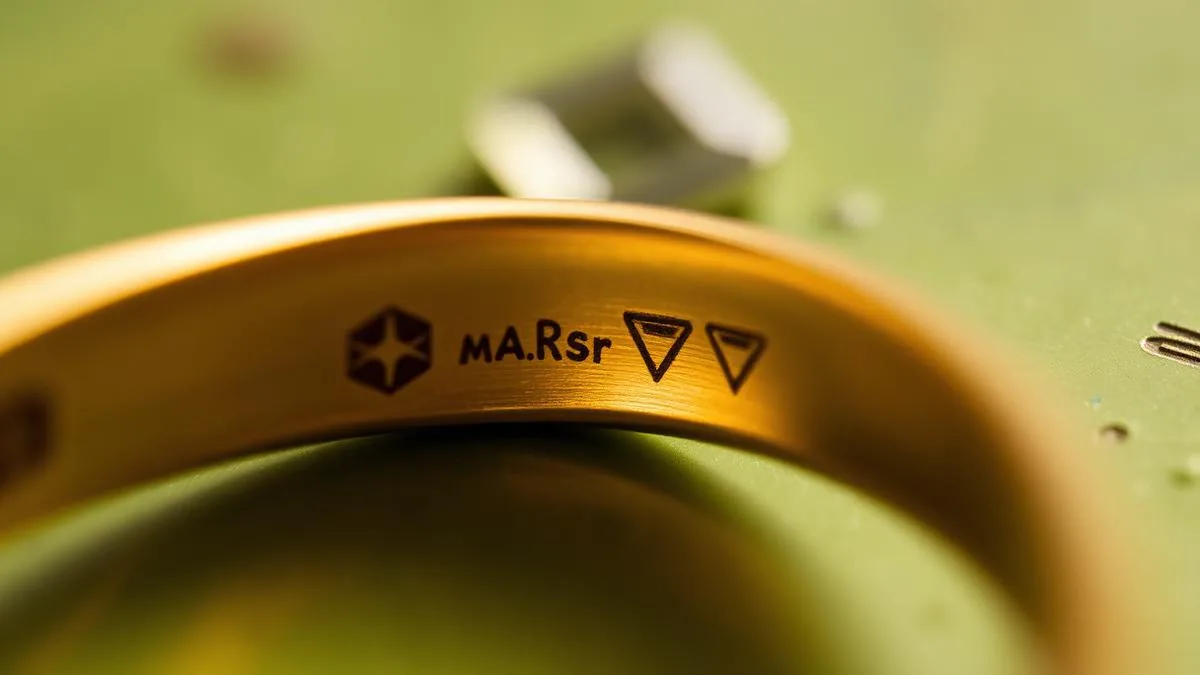
- It can. Marks inside a shank are shallow, and heavy buffing blurs them, which removes the best evidence of a piece's origin and date.
- Can rhodium plating be removed from white gold?
- Yes, a goldsmith can strip it, but it exposes the slightly warm natural color of white gold underneath. Discuss it before, not after.
Written by our estate jewelry team and reviewed by our in-house gemologist, a GIA Graduate Gemologist (GG). We have been buying and selling European antique jewelry since 1973.
From the reading to the piece
Shop fine and rare pieces
Related guides
Keep reading
authenticity
How to care for your vintage jewelry
Why repolishing can halve the value of a piece that took a century to earn its surface.
how-to
How to clean vintage jewelry at home
Warm water, a soft brush and knowing when to stop.
authenticity
How to date a vintage ring
Work through marks, metal, construction, cut, setting and wear in order, and settle on a range rather than a year.