Styling & how to wear
Everyday vs occasion jewelry
Which vintage pieces can take a real week, and which deserve to be kept for dinner.
Written by our in-house jewelry team · Updated August 7, 2026 · 6 min read
In short
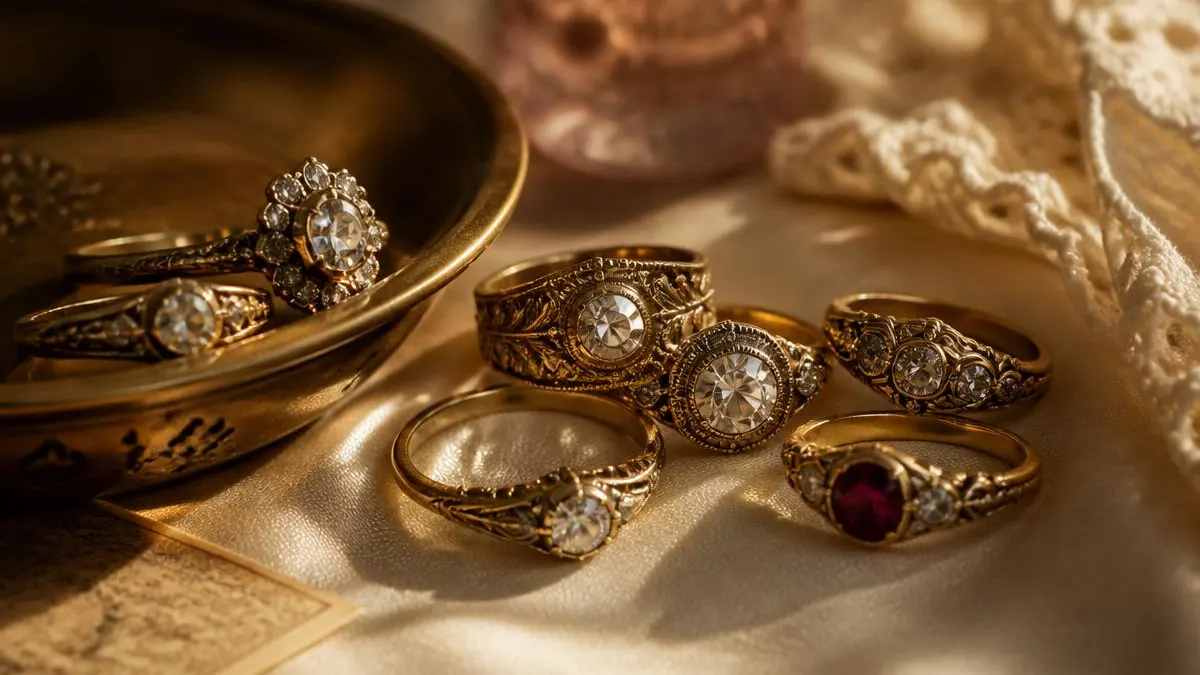
Whether a vintage piece suits daily wear depends on three things: how the stones are held, how hard those stones are, and whether the surface can survive contact. Bezel, gypsy and flush settings with diamond, sapphire or ruby, or plain gold with no stones at all, handle daily life well. Fine claw and pavé settings, soft or porous stones such as opal, turquoise, pearl and emerald, and any enamel or hairwork belong to occasions.
Buying a vintage piece you are afraid to wear is a waste of both your money and the piece. It is much better to decide honestly, before you buy, which category you are shopping in.
Shop the pieces: Everyday vintage fine jewelry, curated and available now.
The everyday shortlist
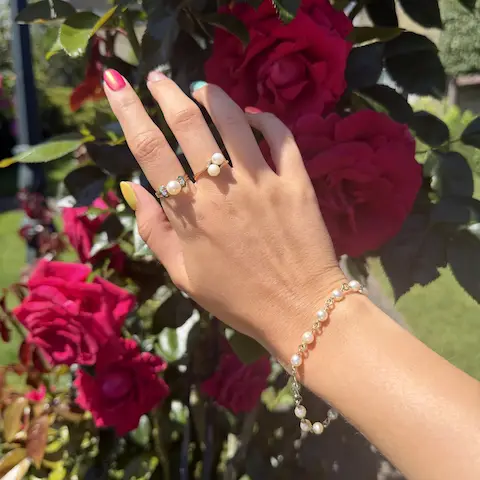
Signet rings, solid gold bands, gypsy-set stones, heavy curb and belcher chains, small gold hoops and bezel-set solitaires. These types were made for constant wear and many of the examples we sell have already done a century of it.
Diamond, sapphire and ruby are the hard stones and cope with contact. Gold itself is soft, so expect a band to gather fine scratches; that is patina, not damage.
The occasion list
Anything with fine claws, pavé, delicate pierced platinum lace, plique-à-jour, enamel, hairwork or foiled closed-back stones. Also opal, turquoise, pearl, coral, amber and emerald, which are soft, porous or fracture-prone.
This is not a warning against buying them. It is an argument for putting them on for the evening and taking them off before you do the dishes.
- Everyday: bezel, gypsy, plain gold, diamond, sapphire, ruby, solid links
- Occasion: fine claws, pavé, millegrain lace, enamel, opal, turquoise, pearl, emerald
- Never in an ultrasonic: anything on this occasion list
Building a wardrobe that gets worn
Most of our customers end up with a small everyday set they never take off, a signet, a band and a chain, plus two or three pieces kept for occasions. That split is a better use of a budget than one expensive ring that lives in a safe.
If you have one fragile inherited piece, wear it deliberately a few times a year rather than never. Have a jeweler check it before each outing.
Frequently asked questions
- Can I wear an antique ring every day?
- Many antique rings are fine for daily wear, especially bezel, gypsy and plain gold ones with hard stones. Fine claw and pavé settings and soft stones are better kept for occasions. We say which category a piece falls into.
- Can I shower or swim in vintage jewelry?
- Plain gold tolerates it, though soap builds up. Avoid it entirely with pearls, opal, turquoise, coral, amber, enamel and any closed-back or foiled setting, and take pieces off before swimming pools and hot tubs.
Written by our estate jewelry team and reviewed by our in-house gemologist, a GIA Graduate Gemologist (GG). We have been buying and selling European antique jewelry since 1973.
From the reading to the piece
Shop everyday vintage jewelry
Related guides
Keep reading
authenticity
Everyday wear and what actually damages jewelry
Chlorine, the gym and a good night's sleep cause more damage than clumsy hands ever do.
types
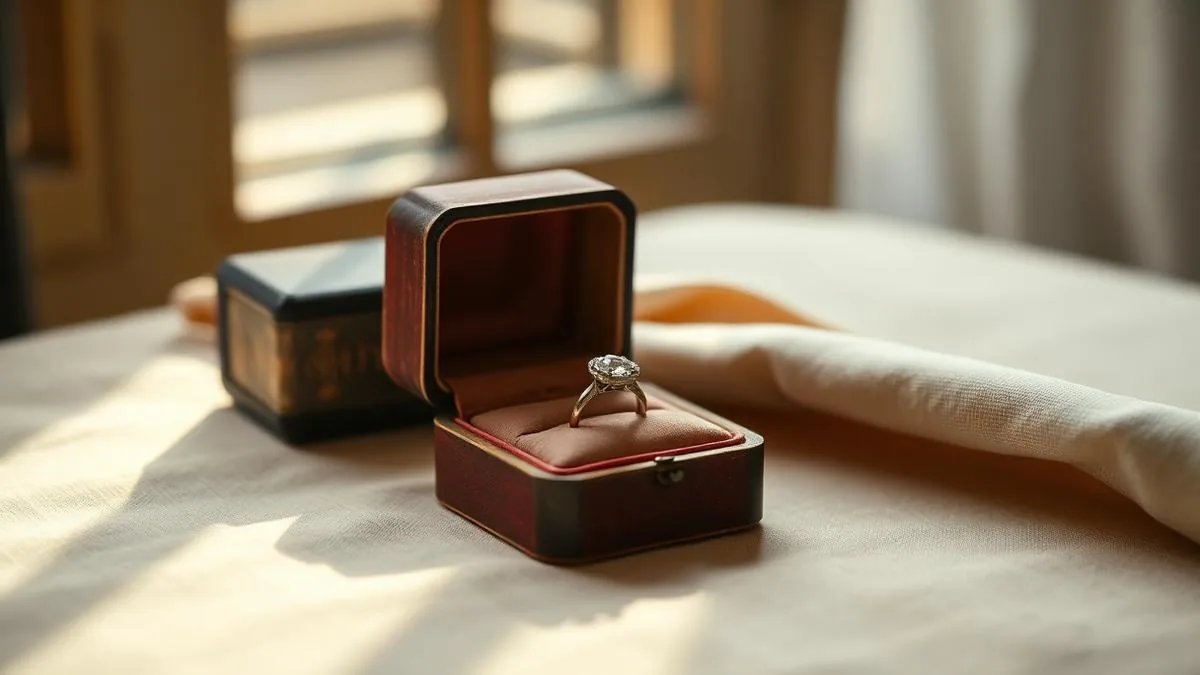
Ring setting types explained
Prong, bezel, pavé, gypsy and cut-down: how a stone is held, and why it matters for wear.
how-to
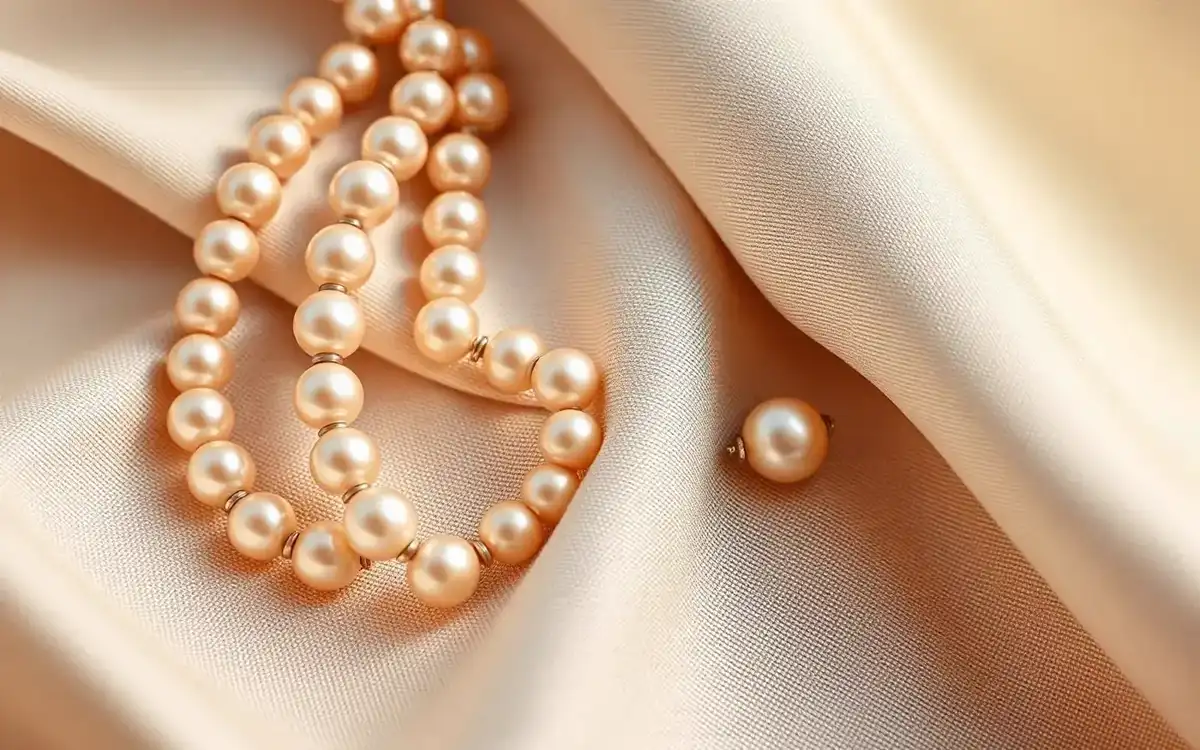
Caring for pearls, opals and other soft stones
Last on, first off, and never in an ultrasonic.
how-to
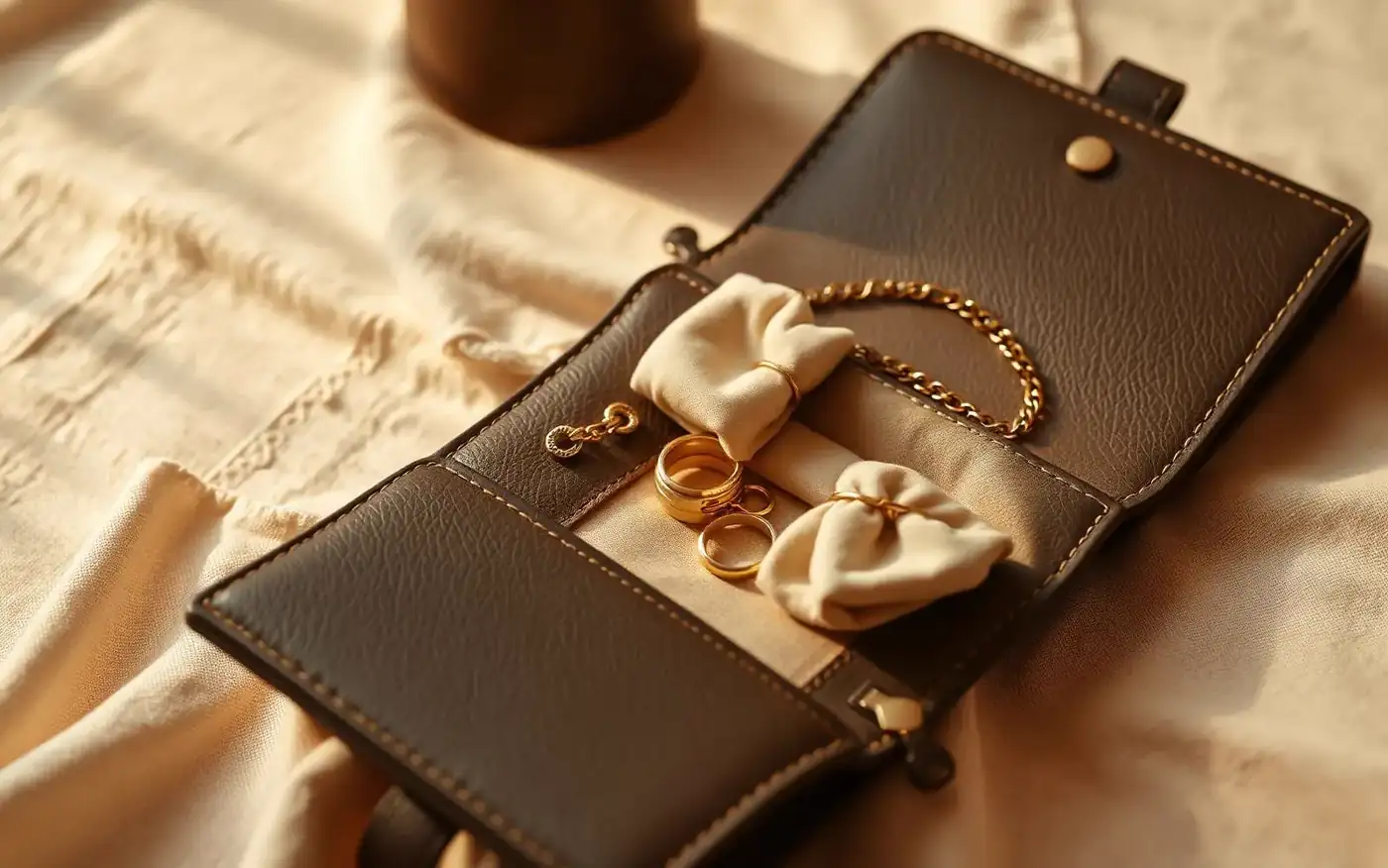
How to store and travel with vintage jewelry
Separate, soft, dry and always in your hand luggage.