Symbolism & meaning
Birthstone meanings
Where the modern birthstone list comes from, and what each stone has traditionally stood for.
Written by our in-house jewelry team · Updated August 7, 2026 · 6 min read
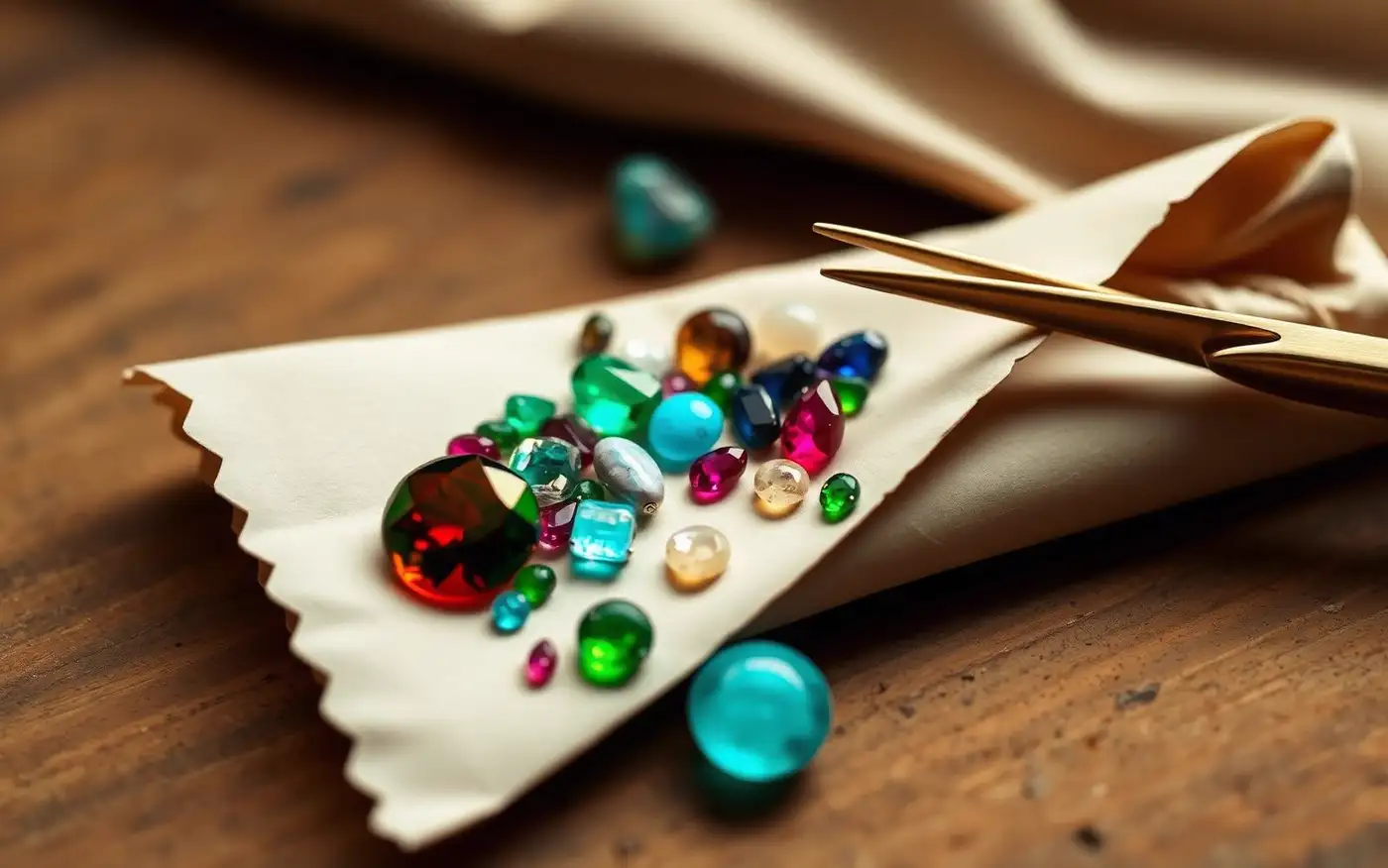
In short
The birthstone list most Americans use today comes from a standardized list adopted by the US jewelry trade in 1912 and revised since, not from antiquity. Older traditions existed and differed by country and century, so the meanings attached to each stone are cultural conventions rather than fixed facts. Vintage jewelry follows the older habits: garnet, amethyst, turquoise, pearl and opal appear far more often in nineteenth century pieces than the modern list would suggest.
Birthstones are a lovely way to choose a gift, and a slightly confusing one, because there is more than one list.
This page explains where the modern list comes from, gives the conventional meaning for each month, and points you to the stone guides for the gemological detail.
Shop the pieces: Garnet, curated and available now.
Where the modern list comes from
The list used in American jewelry stores derives from one adopted by the US national jewelers' association in 1912, with later additions. It was a commercial standardization of much older and much messier traditions.
Because it is recent, it is not a reliable guide to antique jewelry. A Victorian jeweler setting a birth stone would have worked from a different, regional habit.
Month by month, in short
The conventional modern associations, with the sentiment usually attached to each. These are traditions, not properties of the stone.
- January, garnet: constancy and friendship
- February, amethyst: clear-headedness and calm
- March, aquamarine: courage and safe travel at sea
- April, diamond: strength and enduring love
- May, emerald: renewal and hope
- June, pearl, moonstone or alexandrite: purity and intuition
- July, ruby: passion and vitality
- August, peridot: lightness and good humor
- September, sapphire: wisdom and faithfulness
- October, opal or tourmaline: creativity and imagination
- November, topaz or citrine: warmth and abundance
- December, turquoise, tanzanite or zircon: protection and good fortune
Birthstones in vintage jewelry
Some months are easy to find in antique pieces and some are not. Garnet, amethyst, pearl, turquoise, opal and sapphire are everywhere in nineteenth and early twentieth century European jewelry. Peridot, aquamarine and citrine are strongly associated with particular moments, notably Edwardian and Retro taste.
Tanzanite was only discovered in the late 1960s, so it will never appear in a genuinely antique piece. That is a useful reality check when something is described as Victorian.
Frequently asked questions
- Are birthstone meanings historically accurate?
- They are traditions rather than documented facts, and they vary by country and century. We describe them as conventions and never claim a stone has any physical or medicinal effect.
- Which birthstones are easiest to find in vintage jewelry?
- Garnet, amethyst, pearl, turquoise, opal and sapphire are very common in European antique pieces. Others, such as tanzanite, do not exist in genuinely antique jewelry at all.
Written by our estate jewelry team and reviewed by our in-house gemologist, a GIA Graduate Gemologist (GG). We have been buying and selling European antique jewelry since 1973.
From the reading to the piece
Shop garnet jewelry
Each piece is one of a kind and sells once, so this collection changes constantly.
View garnetRelated guides
Keep reading
symbolism
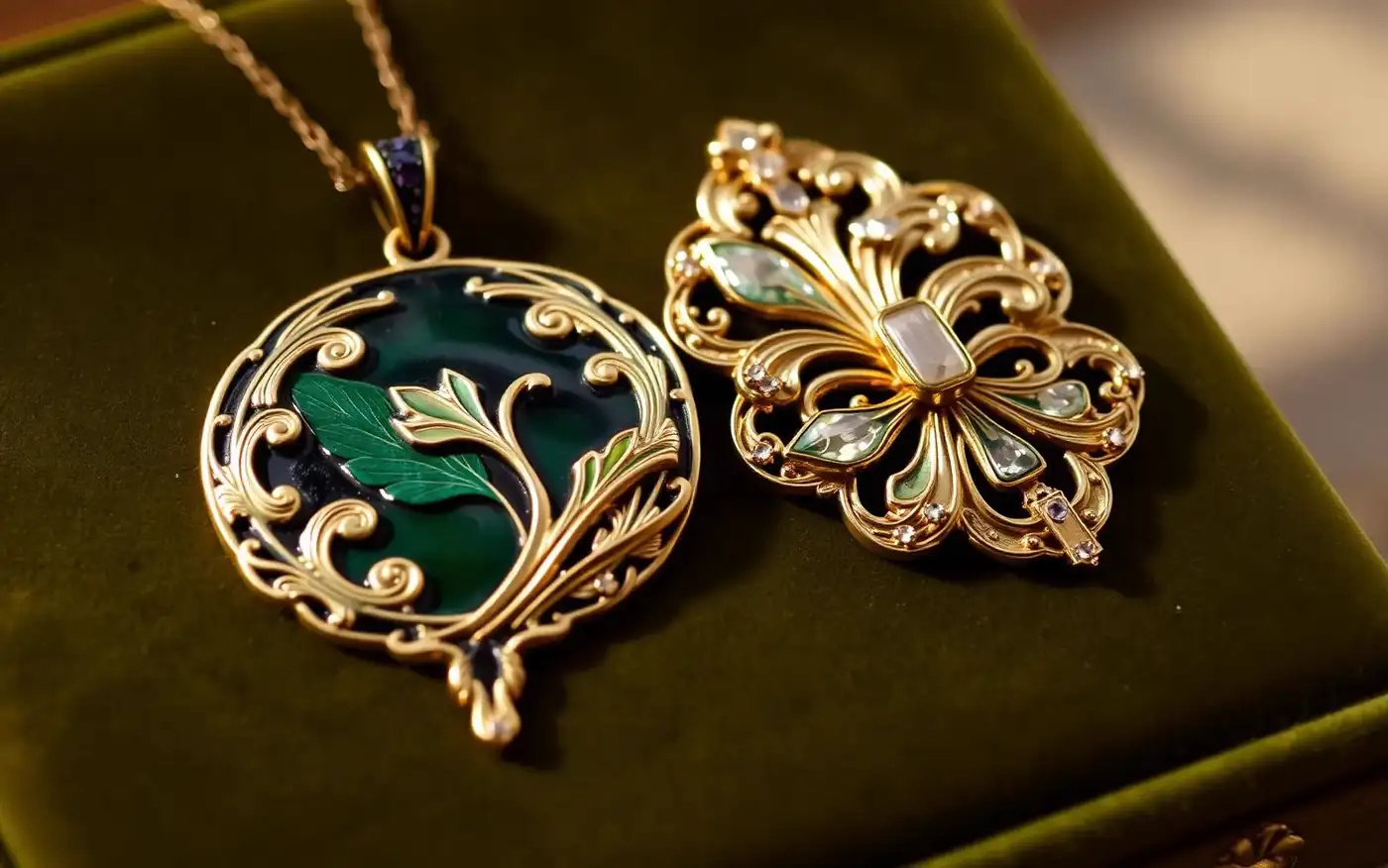
Flower jewelry and the language of flowers
Forget-me-nots, pansies, ivy and lilies, and what a Victorian giver expected you to read into them.
gemstones
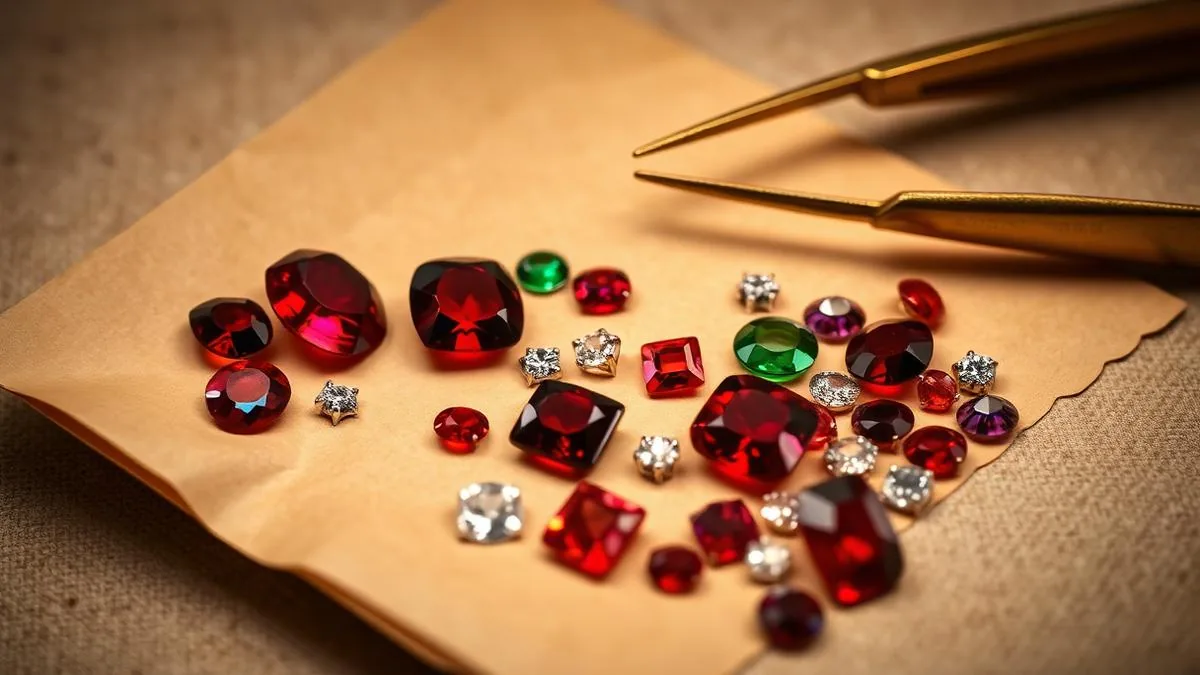
Garnet is a family, not a stone
A whole family of stones, and the best value in antique jewelry.
gemstones
Amethyst, from royal stone to Victorian staple
Once as costly as ruby, now the most generous purple in the case.
how-to
Vintage jewelry gift guide
How to choose an antique piece as a gift when you cannot ask the one question you need answered.